Construction Machinery
The Backbone of Modern Industry: Construction Machinery
At the heart of every infrastructure project, from towering skyscrapers to intricate road networks, lies a fleet of powerful and precise construction machinery. These engineering marvels are not just tools; they are force multipliers that define the pace, safety, and quality of development. For contractors, project managers, and procurement specialists, selecting the right equipment is a critical decision that impacts the bottom line. This guide delves into the core categories of heavy machinery, providing detailed technical specifications to aid in informed decision-making.
Core Product Categories & Technical Specifications
Understanding the capabilities of each machine type is paramount. Below is a breakdown of essential construction machinery, complete with key performance parameters.
1. Excavators: The Versatile Diggers
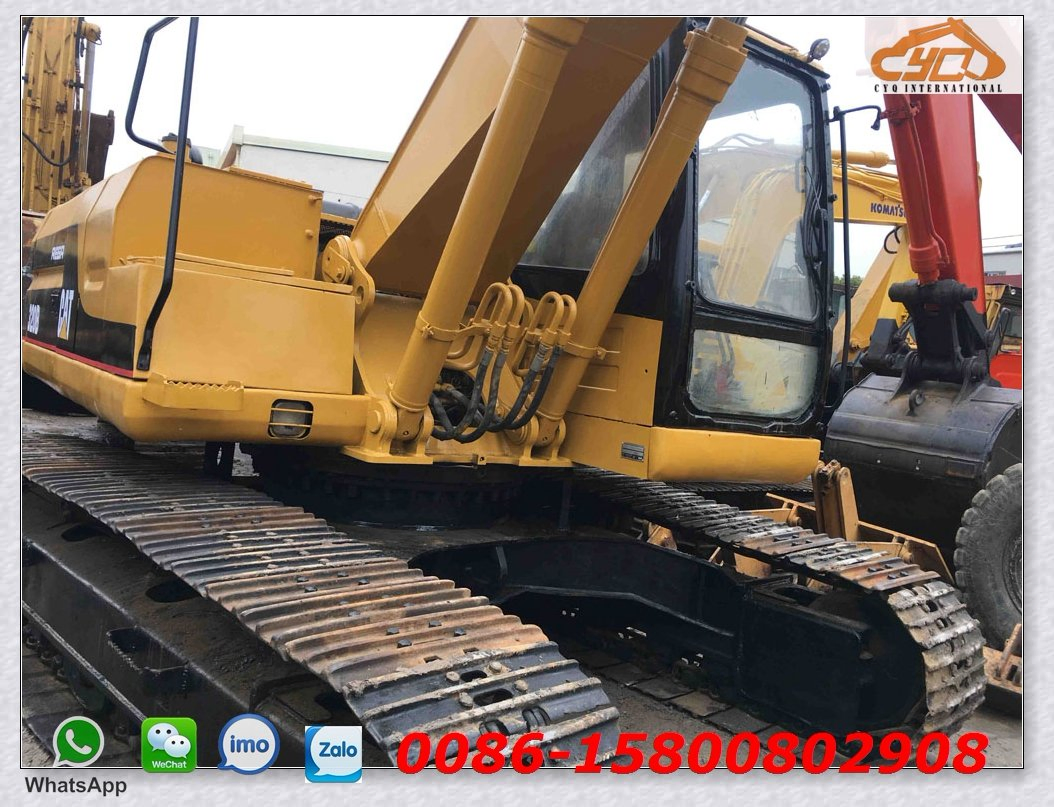
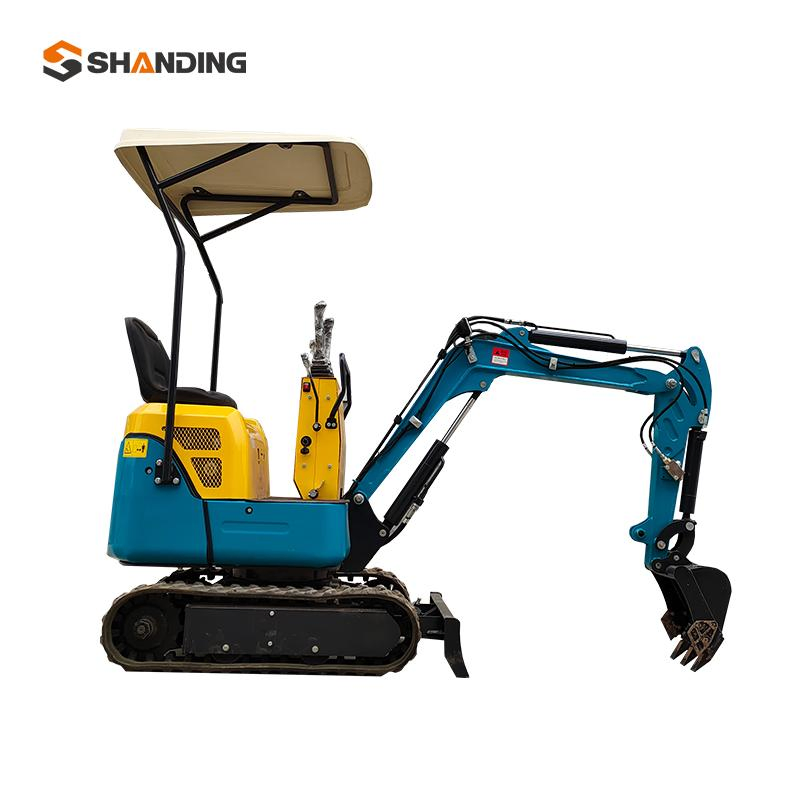
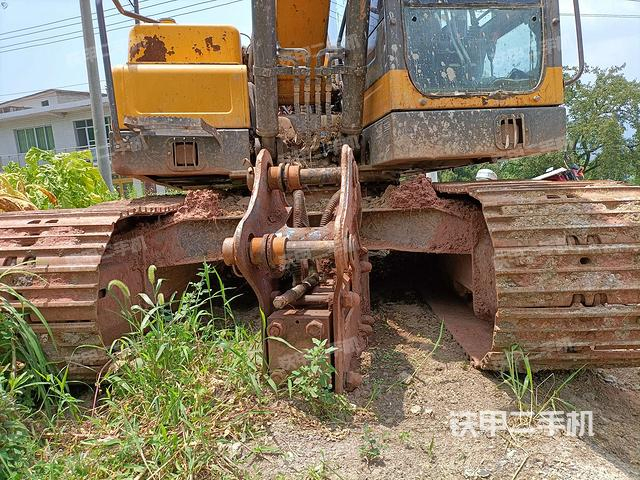
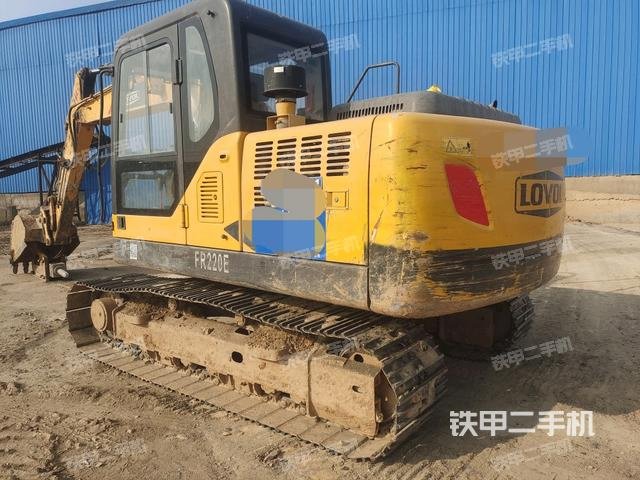
Excavators are the undisputed workhorses of any site, used for digging, trenching, demolition, and material handling. Key specifications to consider include:
- Operating Weight: Ranges from mini excavators (1-6 tons) for urban work to large models exceeding 80 tons for mining.
- Engine Power: Typically measured in horsepower (HP) or kilowatts (kW), directly influencing digging force and cycle times.
- Bucket Capacity: The volume of material the standard bucket can hold, measured in cubic yards (yd³) or cubic meters (m³).
- Max Digging Depth: The maximum vertical distance the arm can reach below ground level.
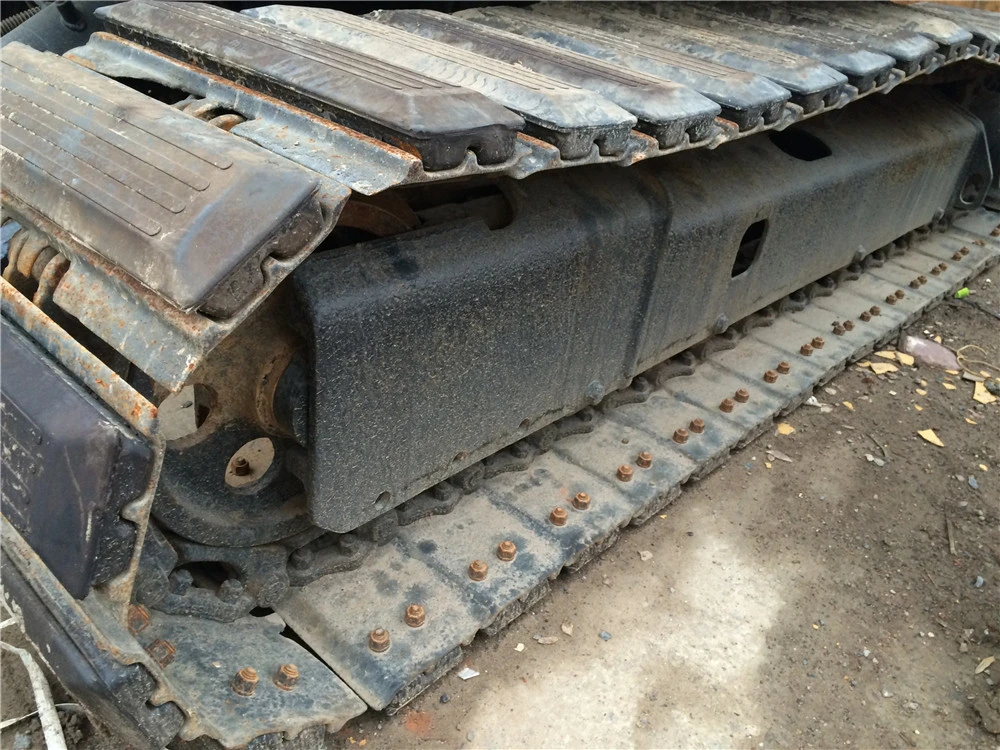
- Undercarriage: Choice between tracks for superior stability on soft ground or wheels for higher mobility on finished surfaces.
| Model Class | Operating Weight (ton) | Engine Power (HP) | Standard Bucket Capacity (m³) | Max Digging Depth (m) |
|---|---|---|---|---|
| Mini Excavator | 1.5 - 6.0 | 15 - 50 | 0.03 - 0.15 | 2.5 - 4.0 |
| Standard Excavator | 15 - 40 | 100 - 250 | 0.5 - 1.6 | 6.0 - 8.5 |
| Large Excavator | 45 - 85+ | 300 - 500+ | 2.0 - 4.5+ | 9.0 - 12.0+ |
2. Wheel Loaders: For Rapid Material Handling
Wheel loaders are essential for loading trucks, moving bulk materials like gravel and sand, and site cleanup. Performance is gauged by:
- Bucket Capacity: Ranges from 1 to over 10 cubic yards, defining load-per-cycle.
- Operating Load (Rated): The safe weight a loader can carry in its bucket.
- Breakout Force: The downward force applied to pry material out of a pile.
- Horsepower: Determines travel speed and lifting capability.
- Tipping Load: The load at which the machine begins to tip forward, a critical safety metric.
| Model Size | Bucket Capacity (yd³) | Rated Operating Load (lb) | Breakout Force (lb) | Horsepower |
|---|---|---|---|---|
| Compact | 1.0 - 1.5 | 4,000 - 6,000 | 9,000 - 12,000 | 60 - 80 |
| Medium | 2.5 - 4.0 | 10,000 - 16,000 | 22,000 - 30,000 | 120 - 200 |
| Large | 5.0 - 10.0+ | 20,000 - 40,000+ | 40,000 - 65,000+ | 250 - 400+ |
3. Bulldozers: The Prime Movers
Bulldozers excel at pushing large quantities of soil, rock, or debris and are key for grading and leveling. Their power is defined by:
- Engine Power: High horsepower is crucial for pushing dense materials.
- Operating Weight: Provides traction and stability for pushing loads.
- Blade Capacity: The volume of material the front blade can hold, measured in cubic yards.
- Blade Type: Straight (S-blade) for fine grading, Universal (U-blade) for moving large volumes, or Semi-U for versatility.
- Track Gauge & Length: Affects ground pressure and stability on uneven terrain.
Frequently Asked Questions (FAQ) About Construction Machinery
Q: How do I choose between buying new or used construction machinery?
A: The decision hinges on your project's duration, budget, and tolerance for downtime. New machinery from a reputable supplier like processing-machinery.com offers the latest technology, full manufacturer warranties, and predictable maintenance schedules, maximizing uptime. Used equipment has a lower initial cost but requires a thorough inspection for wear, potential hidden repairs, and may come with limited or no warranty. It's suited for short-term projects or as a supplemental fleet where downtime can be managed.
Q: What are the most critical maintenance routines to ensure machine longevity?
A: Adherence to the manufacturer's scheduled maintenance is non-negotiable. The most critical daily routines include checking and maintaining proper fluid levels (engine oil, hydraulic fluid, coolant), inspecting for leaks, and cleaning air filters in dusty environments. Weekly and monthly checks should focus on track or tire tension/wear, undercarriage components, hydraulic hoses for cracks, and greasing all pivot points. Detailed logs of all service are essential for resale value and diagnosing recurring issues.
Q: How important is operator training for equipment efficiency and safety?
A: It is the single most important factor. A poorly trained operator can reduce a machine's productivity by 20-30%, increase fuel consumption, and cause premature wear on components. More critically, improper operation is a leading cause of jobsite accidents. Certified training ensures operators understand machine capabilities, load limits, stability parameters, and safe work practices. Investing in training reduces repair costs, prevents accidents, and improves overall project efficiency.
Q: What should I look for when sourcing attachments for my excavator or loader?
A: Compatibility, quality, and intended use are key. First, ensure the attachment has the correct mounting system (e.g., quick coupler type) and is rated for your machine's hydraulic flow and pressure. Secondly, assess build quality—look for high-grade steel, robust welding, and reputable brands. For specialized tasks like processing concrete or sorting demolition waste, purpose-built attachments are more efficient than general-purpose buckets. Suppliers like processing-machinery.com can provide expert guidance on matching attachments to specific tasks and machine models.
Q: Are there significant advantages to choosing Tier 4 Final / Stage V compliant engines?
A: Yes, both regulatory and operational. These engines represent the latest emission standards, significantly reducing particulate matter and nitrogen oxides. This is mandatory for operation in many regions. The advantages include often better fuel efficiency due to advanced engine management systems and the potential for longer service intervals. While the initial cost may be higher, the total cost of ownership can be lower due to fuel savings, and it ensures your fleet is compliant with current and foreseeable environmental regulations.
Q: How can I accurately estimate the total cost of ownership (TCO) for a piece of equipment?
A: Looking beyond the purchase price is crucial. An accurate TCO calculation must include: Depreciation (the machine's loss in value over time), Financing Costs (interest if purchased with a loan), Fuel Consumption (based on average use), Regular Maintenance (scheduled services), Repairs & Downtime (estimated unscheduled costs), Insurance, and Storage. Using historical data from similar machines and consulting with equipment specialists can help build a realistic TCO model for informed budgeting.
Technical Deep Dive: Key Performance Metrics
When comparing models, these metrics provide an objective basis for evaluation across different brands and categories.
| Performance Metric | Definition | Why It Matters | Common Unit of Measure |
|---|---|---|---|
| Hydraulic Pressure | The force per unit area within the hydraulic system. | Higher pressure generally translates to greater digging or breakout force, enabling the machine to handle tougher materials. | Pounds per square inch (PSI) or Bar |
| Hydraulic Flow Rate | The volume of hydraulic fluid delivered per unit of time. | Higher flow rates allow for faster cylinder and motor movement, reducing cycle times for tasks like lifting and swinging. | Gallons per minute (GPM) or Liters per minute (L/min) |
| Ground Pressure | The weight of the machine distributed over the area of its tracks or tires in contact with the ground. | Lower ground pressure is critical for working on soft, sensitive, or unstable terrain like mud or sand, preventing the machine from sinking. | Pounds per square inch (PSI) or Kilopascals (kPa) |
| Rated Lift Capacity | The maximum safe weight a machine can lift at a specified load center and lift height. | Fundamental for loaders and cranes to prevent dangerous tip-over scenarios. It varies with boom/arm position. | Pounds (lb) or Kilograms (kg) |
| Fuel Tank Capacity | The total volume of fuel the machine can hold. | Larger capacity reduces refueling stops, increasing productive machine hours, especially on remote job sites. | Gallons (gal) or Liters (L) |
Navigating the complex world of construction machinery requires a blend of technical knowledge and practical insight. By focusing on the detailed specifications, understanding the total cost of ownership, and implementing rigorous maintenance and operator training protocols, businesses can optimize their fleet's performance and profitability. For those seeking reliable equipment and expert support, exploring the curated inventory and resources available at processing-machinery.com can be a strategic step toward equipping your projects for success.
- View as