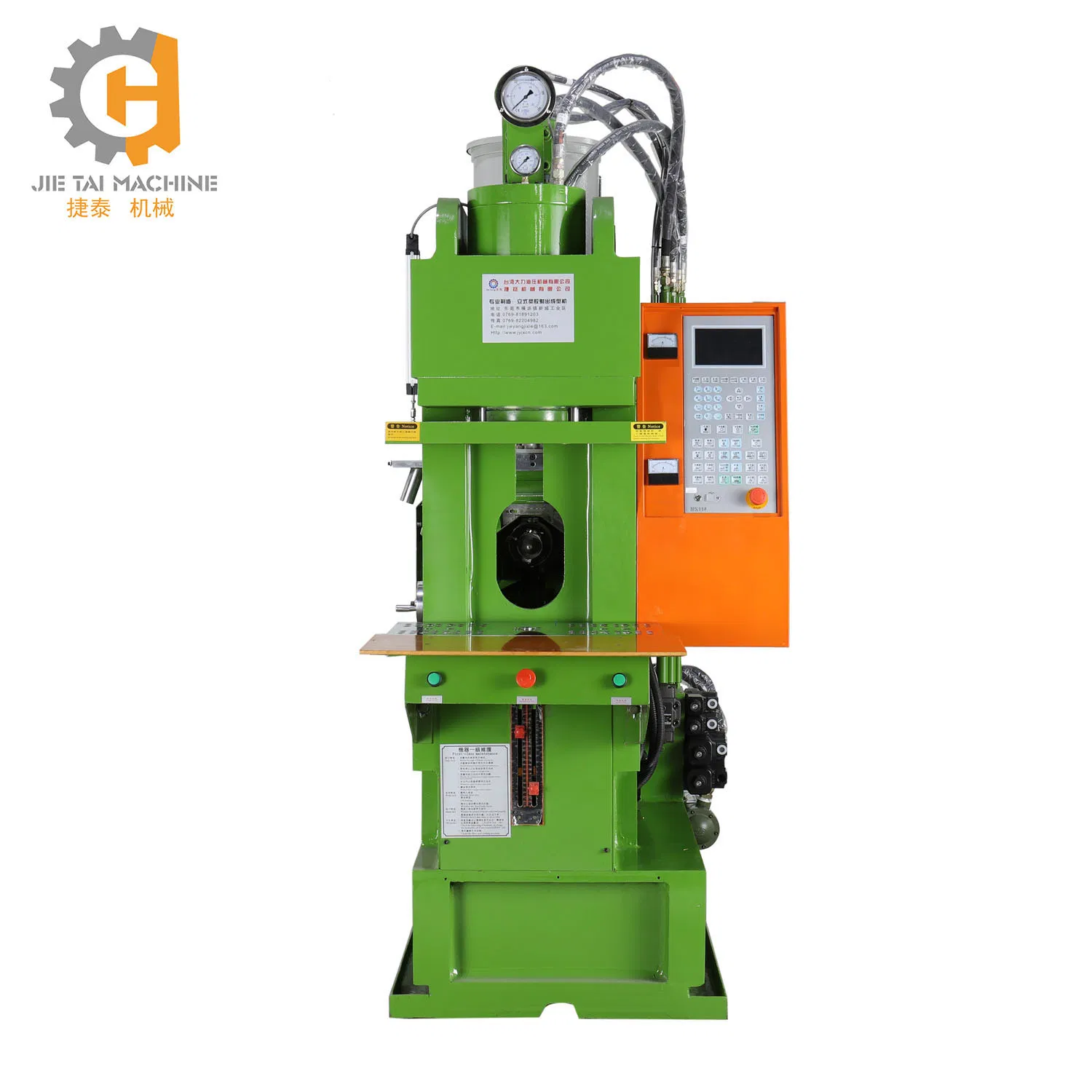
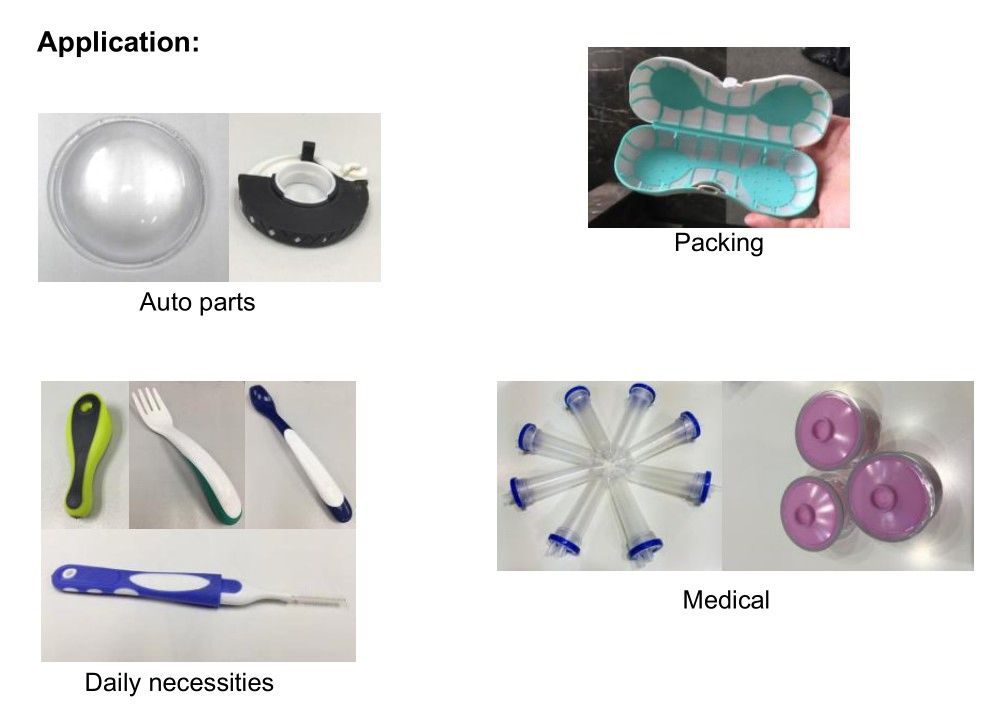
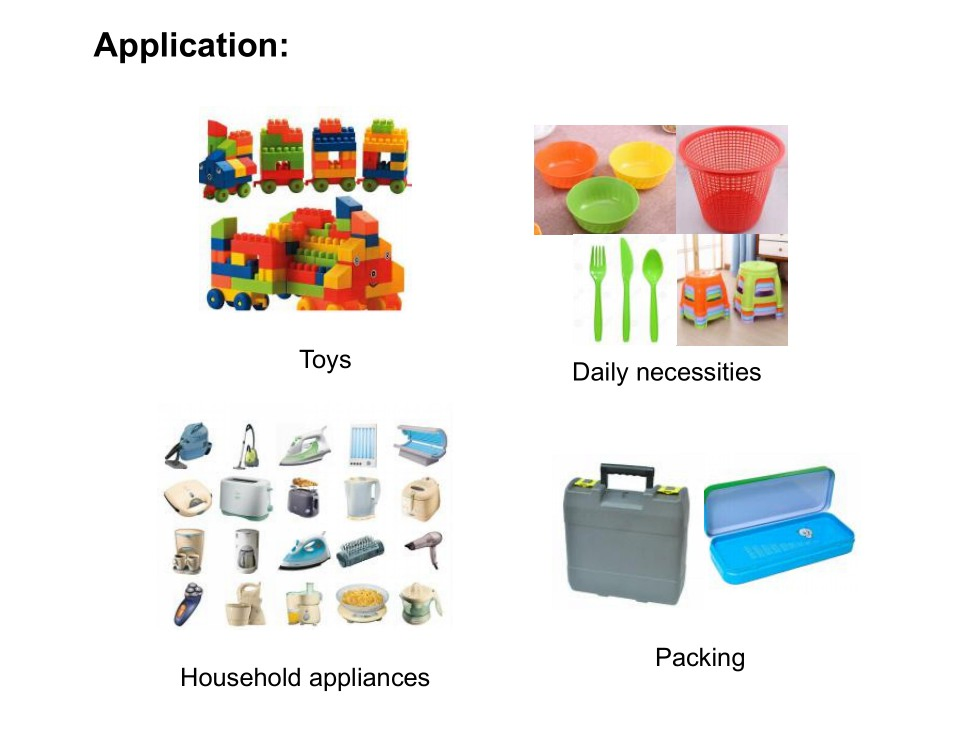
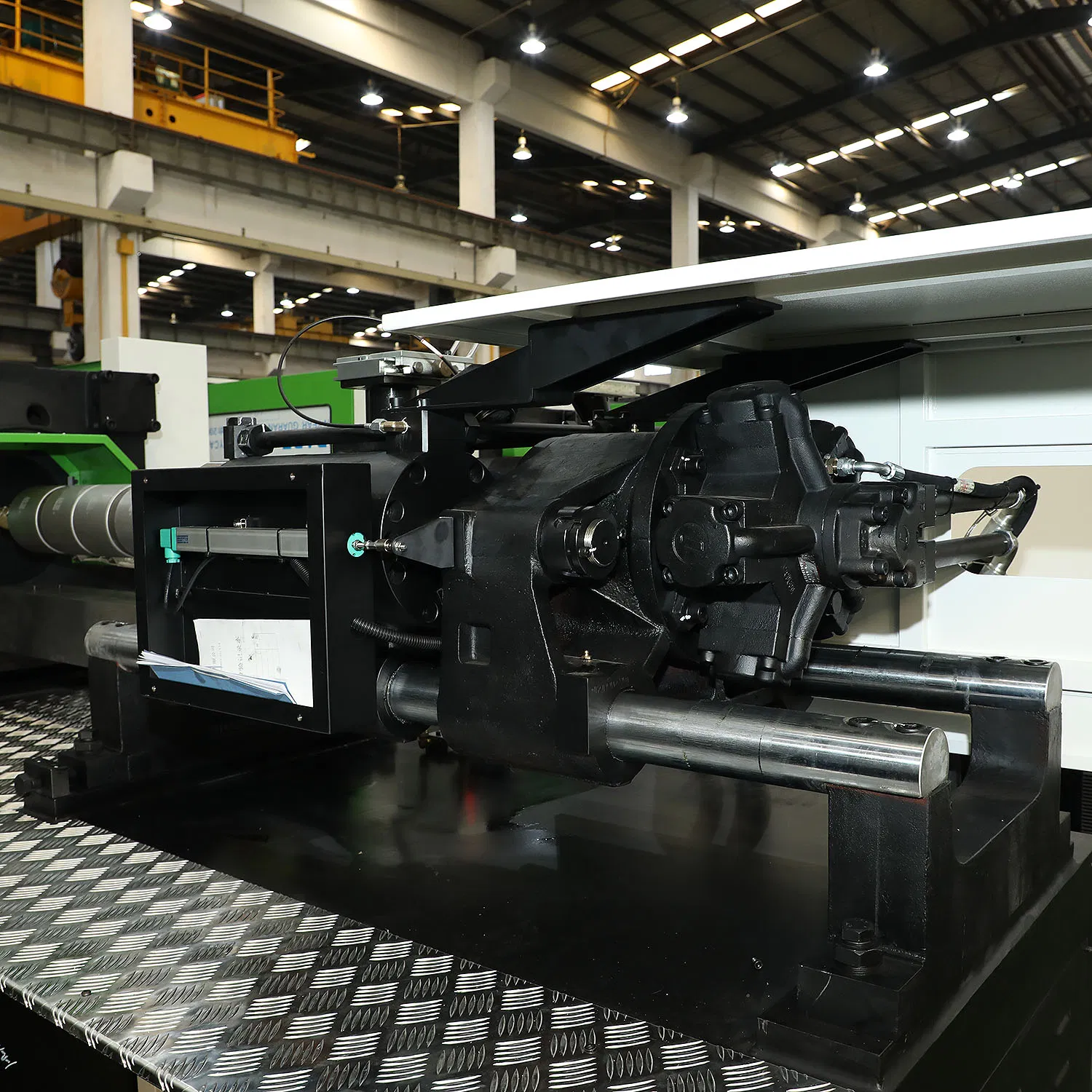
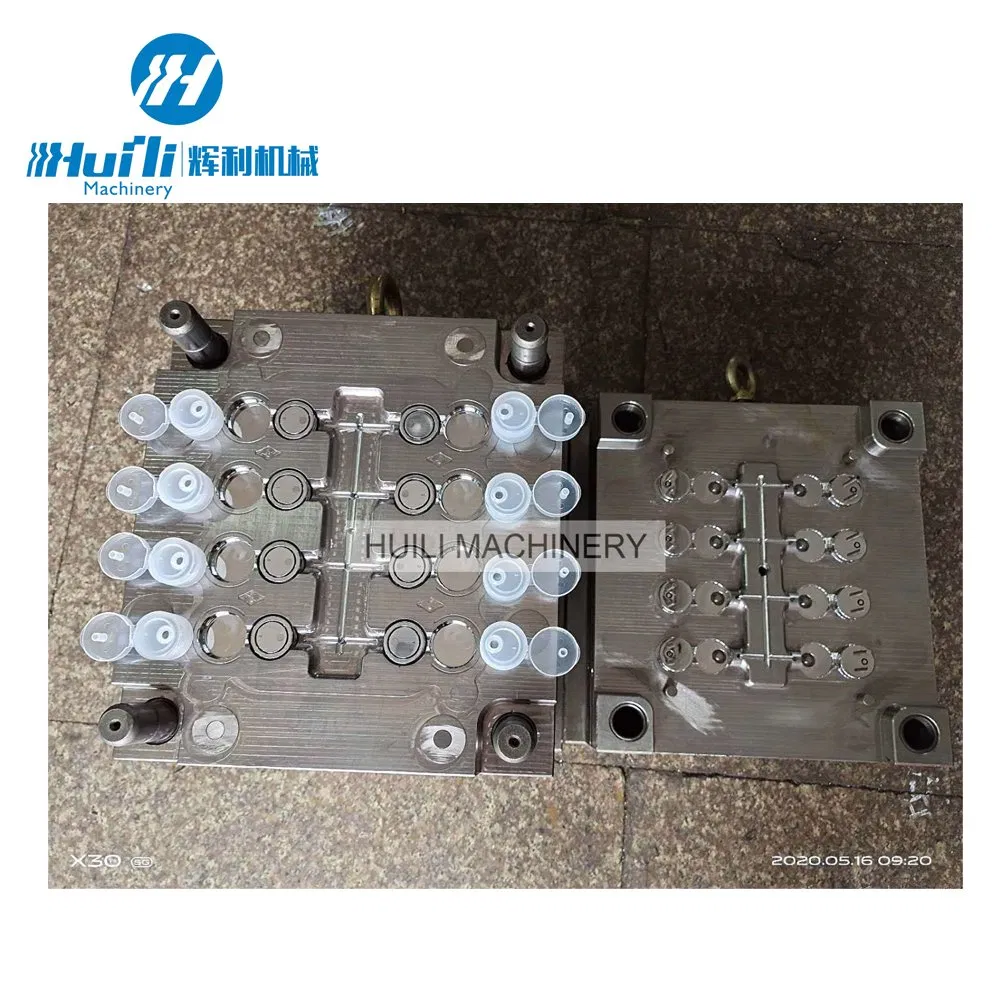
Injection Molding Machine
The Precision Powerhouse: A Deep Dive into Modern Injection Molding Machines
For decades, the injection molding machine has stood as the undisputed cornerstone of mass manufacturing. From the intricate components in your smartphone to the sturdy containers in your kitchen, its ability to produce complex, high-tolerance parts with remarkable efficiency is unmatched. At processing-machinery.com, we understand that choosing the right injection molding machine is a critical capital investment that directly impacts your production capacity, part quality, and bottom line. This guide, crafted from decades of industry expertise, will provide a comprehensive overview of modern injection molding technology, detailed technical parameters, and key considerations for your next equipment purchase.
Core Components and Working Principle
An injection molding machine operates on a deceptively simple cyclical process: plasticize, inject, pack, cool, and eject. This cycle is executed by two primary units:
- The Injection Unit: This unit is responsible for melting and injecting the polymer. Raw plastic material (granules or pellets) is fed from a hopper into a heated barrel. A reciprocating screw rotates to convey the material forward, where it is heated to a precise molten state. The screw then acts as a piston, injecting the molten plastic at high pressure into the mold cavity.
- The Clamping Unit: This unit holds the two halves of the mold securely closed against the immense forces generated during injection. It consists of a stationary platen and a moving platen, which are powered by a hydraulic system (traditional) or an electromechanical servo system (modern). The clamping force, measured in tons, is a fundamental machine specification.
The synchronized operation of these units, governed by a sophisticated machine controller, ensures consistent and repeatable production cycles.
Critical Technical Parameters: Defining Machine Capability
Selecting an injection molding machine requires a careful analysis of your part design and production goals against the machine's specifications. Below are the essential parameters to evaluate.
Primary Specifications Table
| Parameter | Description | Why It Matters |
|---|---|---|
| Clamping Force (Ton) | The maximum force applied to keep the mold closed during injection. | Determines the projected area of the part you can produce. Insufficient force causes flash; excessive force wastes energy. |
| Shot Weight (oz or g) | The maximum weight of plastic the machine can inject in one cycle. | Must be adequate for the total weight of your part(s) plus the runner system. Ideally, part weight should be 30-80% of machine shot capacity. |
| Screw Diameter (mm) | The diameter of the plasticizing screw. | Influences plasticizing rate, injection pressure, and shear heat generation. Different diameters may be available for one clamp size. |
| Injection Pressure (psi or bar) | The maximum pressure available to push molten plastic into the mold. | Critical for filling thin-walled parts or using high-viscosity materials. Higher pressure allows for more complex geometries. |
| Tie Bar Distance (mm) | The clear space between the vertical and horizontal tie bars. | Dictates the maximum physical dimensions of the mold that can be installed on the machine. |
| Platen Size (mm) | The dimensions of the mounting plates on the stationary and moving platens. | Must be larger than your mold base to allow for proper mounting and ancillary equipment. |
Advanced Performance & Configuration Features
- Drive System:
- Hydraulic: Robust, powerful, and traditionally the standard. Can be less energy-efficient and generate more heat.
- All-Electric: Exceptional precision, repeatability, speed, and energy efficiency. Lower noise and heat output. Ideal for cleanroom applications.
- Hybrid: Combines electric servos for clamping/screw movement with hydraulic systems for ejection, etc. Offers a balance of performance and cost.
- Control System: Modern machines feature digital, closed-loop controls with user-friendly touchscreen interfaces. Look for capabilities like:
- Multi-stage injection speed and pressure profiling.
- Precise temperature control for multiple zones.
- Data monitoring and connectivity for Industry 4.0 integration.
- Mold protection and fault diagnostics.
- Energy Efficiency: Key metrics include specific energy consumption (SEC). All-electric machines typically lead in efficiency, followed by modern servo-hydraulic systems.
Injection Molding Machine FAQ
Q: How do I determine the required clamping force for my part?
A: The necessary clamping force is primarily calculated based on the projected area of the part (including the runner system) as seen in the direction of the mold opening, and the injection pressure inside the cavity. A general rule of thumb is 2 to 5 tons of force per square inch of projected area, but this varies significantly with material viscosity and part geometry. Advanced simulation software or consultation with mold engineers is highly recommended for accurate calculation. The experts at processing-machinery.com can assist you in this critical sizing step.
Q: What are the main advantages of all-electric machines over hydraulic ones?
A: All-electric injection molding machines offer several key benefits: 1) Precision & Repeatability: Servo motors provide extremely accurate control over screw position and velocity, leading to superior part consistency. 2) Energy Savings: They consume power only when performing work, unlike hydraulic pumps that run continuously, often reducing energy use by 40-70%. 3) Cleanliness & Quiet Operation: No hydraulic oil eliminates risks of leaks and reduces maintenance, making them perfect for medical or optical parts. They also operate at much lower noise levels.
Q: Can one injection molding machine process different types of plastic?
A: Yes, most general-purpose machines can process a wide range of thermoplastics (e.g., PP, ABS, PC, Nylon). However, specific modifications may be required for certain materials. For example, processing high-temperature plastics like PEEK requires specialized heater bands and thermal stability. Abrasive materials may necessitate a screw and barrel with wear-resistant coatings. Corrosive materials like PVC may require corrosion-resistant components. Always verify the machine's construction is compatible with your intended materials.
Q: How important is the machine's control system, and what should I look for?
A: The control system is the "brain" of the machine and is crucial for quality, efficiency, and ease of use. Look for a system with a clear graphical interface that allows for easy setup of complex injection profiles (multiple stages of speed and pressure). It should offer precise PID temperature control for all barrels and nozzle zones. Advanced features include integrated statistical process control (SPC), the ability to store hundreds of mold recipes, and open communication protocols (like OPC UA) for seamless integration into your factory's production monitoring network.
Q: What kind of maintenance does an injection molding machine require?
A: Regular preventative maintenance is essential for longevity and avoiding costly downtime. Daily tasks include visual inspections and lubrication of moving parts. Weekly and monthly checks should focus on hydraulic system filters, oil levels and quality, and checking for loose tie bars or bolts. Quarterly or annual maintenance involves more in-depth procedures like servo motor checks, verifying clamping force calibration, and replacing wear components like screw tips and check rings. Following the manufacturer's maintenance schedule, available for all models supplied by processing-machinery.com, is paramount.
Q: What factors influence the cycle time of an injection molding machine?
A: Cycle time is the total time to complete one injection cycle and is a key driver of productivity. It is the sum of:
- Injection Time: Function of shot volume, injection speed, and material flow.
- Cooling Time: The most significant portion, dictated by part wall thickness, material cooling characteristics, and mold cooling efficiency.
- Mold Opening/Closing Time: Dependent on machine speed and stroke distance.
- Ejection Time: Time for parts to be ejected and the mold to be ready for the next cycle.
Choosing the Right Partner for Your Investment
Beyond the specifications on paper, the reliability of the machine builder and the support network are critical. A machine is a long-term asset, and access to genuine spare parts, knowledgeable technical support, and comprehensive training directly affects your total cost of ownership. When you partner with a supplier like processing-machinery.com, you gain access to a curated selection of robust machines from trusted manufacturers, backed by decades of collective application expertise. Our team can guide you through the entire selection process, from initial part analysis and machine specification to installation support and maintenance planning, ensuring your injection molding operation is built on a foundation of precision and productivity.
- View as