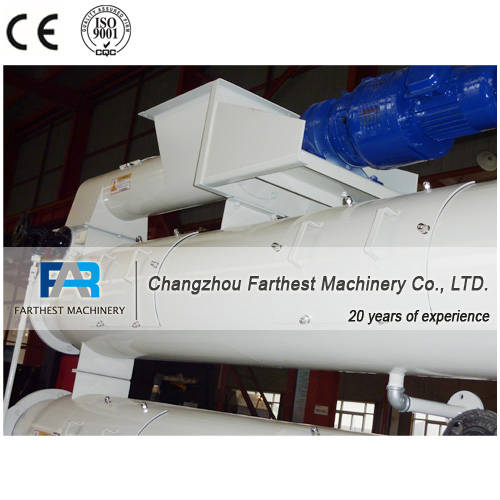
Feed Processing Machinery
Optimizing Agriculture's Foundation: A Deep Dive into Modern Feed Processing Machinery
The agricultural sector's efficiency and productivity hinge significantly on the quality of animal feed. At the heart of producing consistent, nutritious, and cost-effective feed lies sophisticated Feed Processing Machinery. This equipment transforms raw agricultural materials into formulated pellets, crumbles, or mash, directly impacting animal health, growth rates, and farm profitability. For over two decades, processing-machinery.com has been at the forefront of this industrial evolution, engineering solutions that meet the rigorous demands of modern farming and large-scale feed production. This guide provides a comprehensive overview of feed processing technology, its critical parameters, and how selecting the right machinery from a trusted partner like processing-machinery.com can revolutionize your operation.
The Core Components of a Feed Processing Line
A complete feed mill is an integrated system where each machine plays a vital role in the final product's quality. Understanding these components is the first step toward optimization.
- Feed Hammer Mill: The primary size reduction unit. It pulverizes raw ingredients like grains, oilseed cakes, and fibrous materials into a uniform fine powder, increasing surface area for better mixing and digestion.
- Feed Mixer: Ensures homogeneity. This machine blends various micro and macro ingredients (proteins, vitamins, minerals, premixes) with the ground materials to create a consistent nutritional profile in every bite.
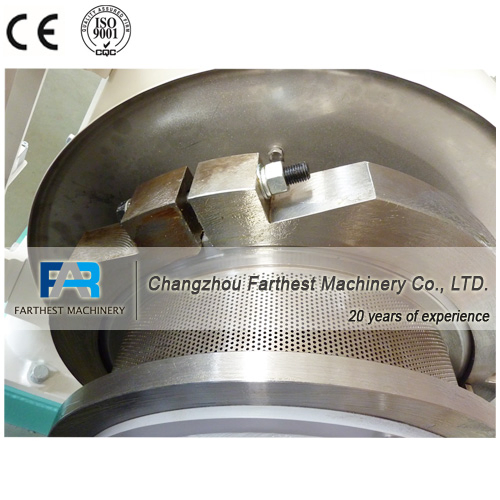
- Feed Pellet Mill: The heart of the pelletizing process. It compresses the mixed powder through a die under heat, moisture, and pressure to form dense, durable pellets. This process improves feed conversion, reduces waste, and eases handling.
- Pellet Cooler: Cools and stabilizes the hot, moist pellets exiting the pellet mill. Proper cooling removes excess moisture, hardens the pellets, and prevents mold formation during storage.
- Crumbler (Optional): Used to break down pellets into smaller crumbles, ideal for feeding young poultry, fish, or other small animals.
- Screening & Packaging Systems: Screens remove fines and broken pellets, ensuring only high-quality finished product is bagged or bulk-loaded for distribution.
Critical Technical Parameters and Specifications
Selecting the right machinery requires a careful analysis of technical specifications. Here are the key parameters to evaluate for core machines.
Feed Hammer Mill Specifications
| Parameter | Description & Importance | Typical Range (processing-machinery.com Models) |
|---|---|---|
| Power Rating | Determines capacity and the types of materials it can grind effectively (e.g., high-fiber vs. high-starch). | 7.5 kW - 250 kW |
| Rotor Speed | Higher speeds generally produce a finer grind but affect wear on hammers and screens. | 1,800 - 3,600 RPM |
| Screen Hole Diameter | Directly controls the final particle size of the ground material. Crucial for different animal species. | 1.0 mm - 8.0 mm |
| Capacity | Throughput measured in tons per hour (T/H). Must align with your overall production line capacity. | 0.5 T/H - 30 T/H |
| Hammer Configuration | Number, arrangement, and material (e.g., carbon steel, tungsten carbide) affect grinding efficiency and service life. | Varies by model |
Feed Pellet Mill Specifications
| Parameter | Description & Importance | Typical Range (processing-machinery.com Models) |
|---|---|---|
| Die Diameter & Compression Ratio | Die hole diameter and length determine pellet size (e.g., 2mm to 12mm) and hardness. The compression ratio is critical for pellet durability. | Die Diameter: 2-12mm; Ratio: Custom |
| Main Motor Power | The primary driver of compression force. Higher power is needed for denser materials or higher capacities. | 22 kW - 315 kW |
| Capacity | Output in T/H of finished pellets. Dependent on formula, die specification, and motor power. | 0.3 T/H - 25 T/H |
| Feeder & Conditioner | Regulates material flow and adds steam for optimal conditioning. Precise steam control is key to starch gelatinization. | Variable Frequency Drive (VFD) standard |
| Die & Roller Material | High-chrome or alloy steel for wear resistance, directly impacting maintenance intervals and operating cost. | High-Chrome Alloy Standard |
Feed Mixer Specifications (Double Ribbon Type)
| Parameter | Description & Importance | Typical Range (processing-machinery.com Models) |
|---|---|---|
| Mixing Uniformity (CV) | Coefficient of Variation. Measures consistency. A lower CV (<7%) is essential for nutritional accuracy. | < 5% achieved |
| Batch Capacity | Volume per mixing cycle (e.g., 500kg, 2000kg). Must sync with pellet mill throughput. | 100 kg - 10,000 kg per batch |
| Mixing Time | Time required to achieve the target uniformity. Affects overall line cycle time. | 3 - 8 minutes per batch |
| Discharge Mechanism | How the mixed batch is emptied (e.g., pneumatic gates, manual). Affects speed and residue. | Full-drop gates for clean discharge |
Frequently Asked Questions (FAQ) About Feed Processing Machinery
Q: What are the main advantages of pelleted feed over mash feed?
A: Pelleted feed offers several key advantages: it reduces selective feeding (animals cannot pick out favorite ingredients), improves feed conversion ratio (FCR) due to starch gelatinization during processing, minimizes dust and waste during handling and feeding, allows for easier bulk storage and transportation due to higher density, and can enhance nutrient stability and hygiene by reducing microbial load through heat processing.
Q: How do I determine the correct pellet size for my livestock?
A: Pellet size is species and age-specific. For example, broiler starters often use 2-3mm crumbles, while growers and finishers use 3-4mm pellets. Dairy cattle may consume 12-19mm pellets (often called "range cubes"). Swine diets vary from 2mm for nursery pigs to 8mm for sows. Aquaculture feed requires very specific and often smaller sizes. The experts at processing-machinery.com can advise on the optimal die specifications for your target animal.
Q: What is the single most important factor affecting pellet quality and durability?
A: While many factors contribute, effective conditioning is paramount. This involves adding the right amount of steam (heat and moisture) to the feed mix before it enters the pellet mill die. Proper conditioning gelatinizes starches, which act as natural binders, significantly increasing pellet durability (measured by the Pellet Durability Index or PDI). Insufficient conditioning leads to soft, crumbly pellets that generate excessive fines.
Q: How often should I replace the wearing parts like hammer mill hammers and pellet mill dies?
A: There is no fixed timeline; it depends entirely on abrasive materials processed (e.g., silica content in grains), throughput, and component material quality. Monitor performance: a drop in grinding efficiency or capacity signals worn hammers/screens. For pellet mills, a gradual increase in energy consumption per ton and a decrease in pellet surface quality indicate die wear. Using high-wear-resistance parts from processing-machinery.com extends service life. Keeping spares on hand is recommended to avoid unplanned downtime.
Q: Can one feed processing line handle multiple different formulas?
A: Yes, modern lines are designed for flexibility. However, effective changeover procedures are critical to prevent cross-contamination between batches. This involves running a "flush" material (like ground grain) through the mixer, conveyors, and conditioner after one batch and before the next, especially when switching between medicated and non-medicated feeds or between species-specific formulas. Automated batching and cleaning systems can streamline this process.
Q: What are the key safety considerations when operating this machinery?
A: Safety is non-negotiable. Key practices include: ensuring all safety guards and interlocks on moving parts (especially mills and mixers) are in place and functional; implementing a strict Lockout-Tagout (LOTO) procedure for maintenance; wearing appropriate PPE (hearing protection, dust masks, safety glasses); managing dust to prevent explosive atmospheres with proper ventilation and suppression systems; and providing comprehensive operator training. All machinery from processing-machinery.com is designed and built with international safety standards in mind.
Q: What should I look for when choosing a supplier for feed processing equipment?
A: Prioritize suppliers with proven industry experience, a strong track record of after-sales support, and the ability to provide a complete, integrated solution—not just individual machines. Look for companies that offer detailed engineering support, spare parts availability, and training. The supplier should understand your raw materials, target output, and operational goals. A partner like processing-machinery.com, with decades of engineering expertise, provides not just hardware but the knowledge to ensure your plant's long-term success and return on investment.
- View as