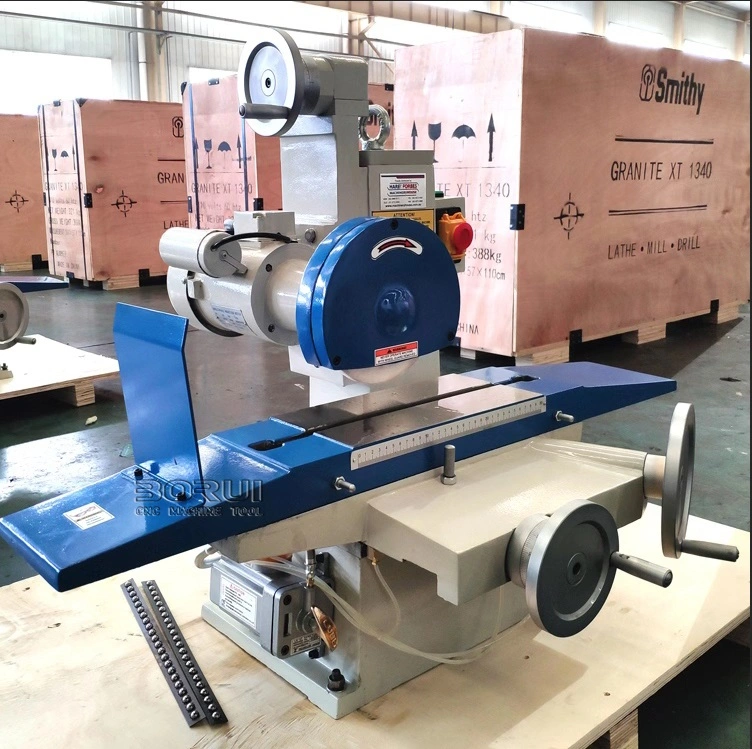
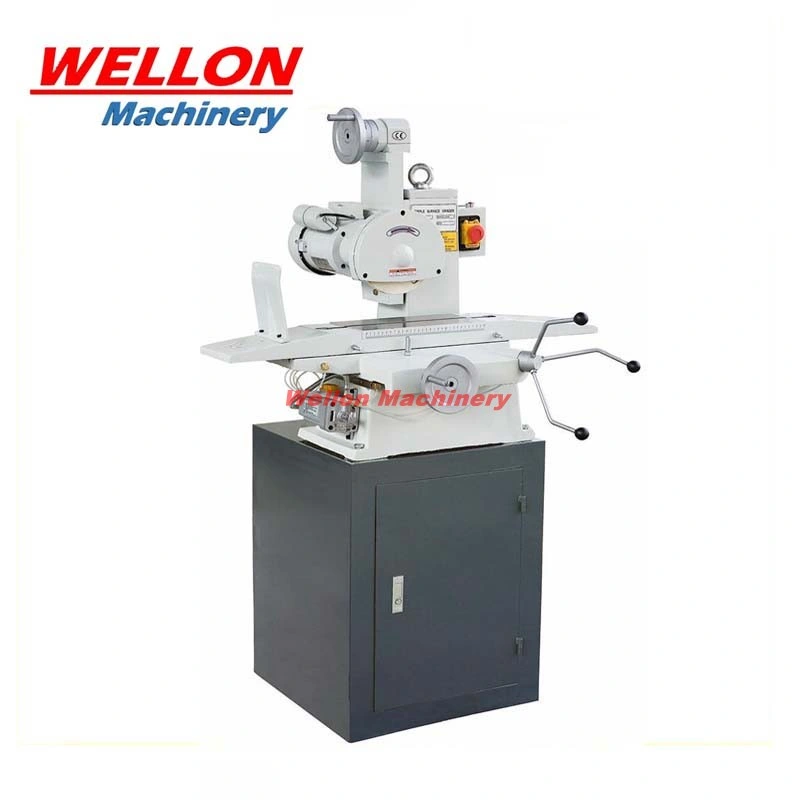
The Ultimate Guide to Industrial Grinding Machine Solutions
For two decades, precision manufacturing has been defined by the relentless pursuit of superior surface finishes and micron-level accuracy. At the heart of this evolution lies the grinding machine, a cornerstone of modern industry. Here at processing-machinery.com, we understand that the right grinding equipment is not merely a purchase; it's a strategic investment in quality, efficiency, and competitive advantage. This comprehensive guide delves into the core aspects of grinding machines, presenting detailed technical specifications and expert insights to empower your decision-making process.
Core Components and Technical Architecture
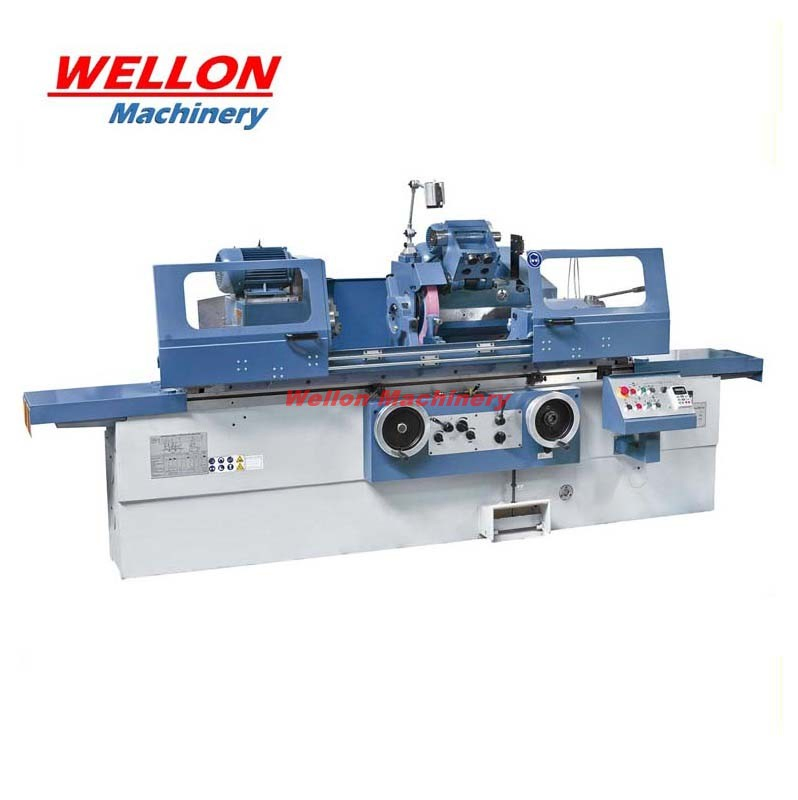
A modern grinding machine is a symphony of engineered components working in unison. Understanding these elements is key to appreciating its capability.
- Machine Bed: Constructed from high-grade cast iron or polymer concrete, providing vibration-dampening stability crucial for achieving ultra-fine surface finishes.
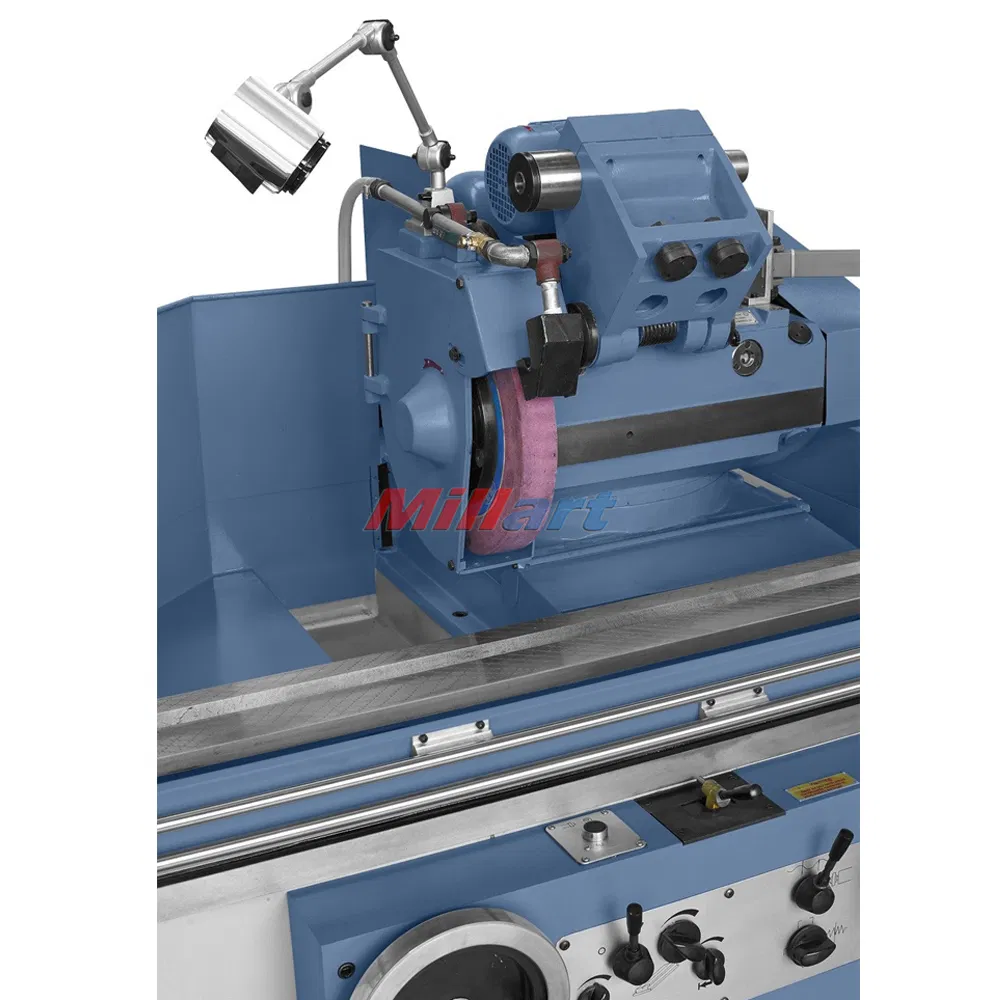
- Grinding Wheel Spindle: The heart of the machine. Utilizes high-frequency or direct-drive motor spindles with precision bearings, capable of speeds exceeding 10,000 RPM for advanced abrasive processes.
- Workpiece Holding System: This includes precision chucks, magnetic plates, or specialized fixtures. Our systems at processing-machinery.com ensure repeatable positioning within 0.002 mm tolerance.
- Axis Drive System: Features linear guides and ball screws driven by servo motors, often with closed-loop feedback for positional accuracy under 0.001 mm.
- Coolant and Filtration System: A high-pressure, high-flow coolant system is integral for heat dissipation, swarf removal, and extending grinding wheel life. Multi-stage filtration maintains fluid integrity.
- CNC Control Unit: Industry-standard Fanuc, Siemens, or Heidenhain controls allow for complex contour grinding, automated cycles, and seamless integration into production lines.
Detailed Product Specification Tables
To illustrate the engineering precision behind our offerings, review the following technical specifications for our flagship series available at processing-machinery.com.
Precision Surface Grinding Machine Series PG-800
| Parameter | PG-800H (Hydraulic) | PG-800C (CNC) | Unit |
|---|---|---|---|
| Max. Grinding Length (X-axis) | 800 | 800 | mm |
| Max. Grinding Width (Y-axis) | 400 | 400 | mm |
| Distance Spindle to Table | 500 - 700 | 500 - 700 | mm |
| Spindle Power (Main Motor) | 7.5 | 10 | kW |
| Spindle Speed (Standard) | 1,450 - 2,900 | 1,800 - 3,600 (Variable) | rpm |
| Table Traverse Speed | 1 - 25 (Hydraulic) | 0.1 - 30 (Servo) | m/min |
| Positioning Accuracy (Full Travel) | 0.01 | 0.005 | mm |
| Repeatability | 0.005 | 0.002 | mm |
| Machine Weight (Approx.) | 4,200 | 4,800 | kg |
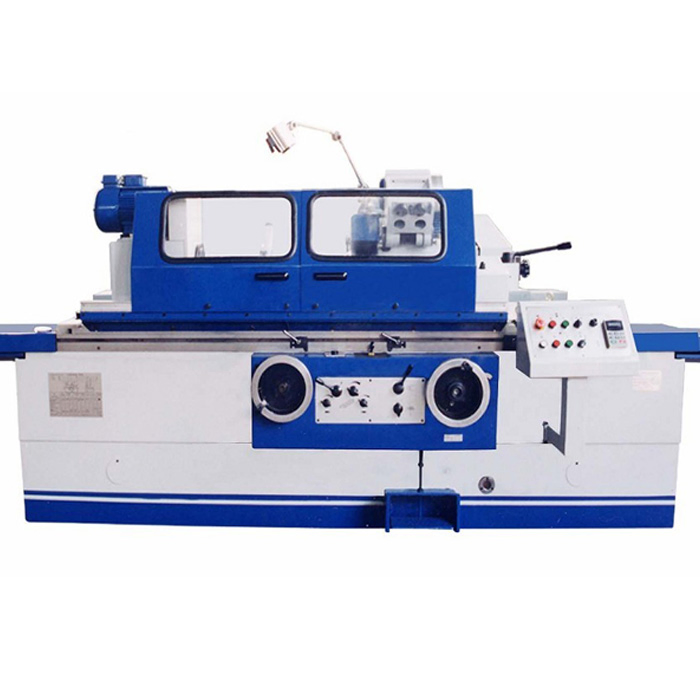
Cylindrical Grinding Machine Series CG-300
| Parameter | CG-300U (Universal) | CG-300P (Production) | Unit |
|---|---|---|---|
| Swing Over Table | 300 | 300 | mm |
| Max. Distance Between Centers | 1,000 | 750 | mm |
| Max. Grinding Diameter | 280 | 280 | mm |
| Workhead Spindle Speed | 10 - 500 (Stepless) | 50 - 800 (Stepless) | rpm |
| Grinding Wheel Spindle Power | 11 | 15 | kW |
| Wheel Size (OD x Width x Bore) | 500 x 80 x 203 | 500 x 100 x 203 | mm |
| Infeed Resolution | 0.0005 | 0.00025 | mm |
| Roundness Capability | < 0.001 | < 0.0005 | mm |
Grinding Machine FAQ: Expert Insights
What are the primary differences between a surface grinding machine and a cylindrical grinding machine?
A surface grinding machine is designed to produce a flat, smooth surface on a workpiece. The workpiece is typically held on a reciprocating or rotary table, and the grinding wheel rotates on a horizontal or vertical spindle, removing material from the top surface. In contrast, a cylindrical grinding machine is used to shape the external or internal cylindrical surface of a workpiece. The workpiece rotates between centers or in a chuck, and the grinding wheel, which also rotates, traverses along the length of the rotating part to achieve the desired diameter and finish.
How do I select the correct grinding wheel for my application on a new grinding machine?
Selecting the correct grinding wheel involves five key parameters: abrasive material (e.g., aluminum oxide for steel, silicon carbide for carbide), grain size (coarse for stock removal, fine for finish), grade (hardness of the bond), structure (wheel density), and bond type (vitrified, resin, metal). The specific choice depends on the workpiece material, required material removal rate, surface finish specification, and whether the operation is wet or dry. The experts at processing-machinery.com provide comprehensive wheel selection support based on your machine model and production goals.
What is the importance of coolant in the grinding process, and what type should I use?
Coolant, or grinding fluid, is critical for four main reasons: it dissipates the intense heat generated at the grinding zone to prevent thermal damage to the workpiece; it lubricates to reduce friction and power consumption; it flushes away grinding swarf (chips) to prevent wheel loading and scratches on the workpiece; and it can help improve wheel life. Common types include synthetic, semi-synthetic, and straight oils. The choice is application-specific; for instance, heavy-duty grinding of tough alloys may require a high-lubricity straight oil, while high-speed precision grinding often uses water-based synthetic fluids for superior cooling.
Can a CNC grinding machine be integrated into an automated production cell?
Absolutely. Modern CNC grinding machines from processing-machinery.com are built for Industry 4.0 integration. They feature standardized interfaces (like MTConnect), PLC connectivity for robotic load/unload systems, in-process gauging feedback for automatic size compensation, and network capabilities for data collection and analysis. This allows them to function as a fully automated station within a production line, performing unattended operations with consistent quality output.
What are the key maintenance routines to ensure the long-term accuracy of a precision grinding machine?
Proactive maintenance is non-negotiable for preserving accuracy. Daily routines include checking and topping up coolant levels, wiping down guideways, and checking for abnormal sounds. Weekly tasks involve cleaning the coolant tank and filters, and checking lubrication points. Monthly, you should inspect spindle runout, verify axis alignment and squareness, and check the condition of way covers and seals. Annually, a full calibration by a certified technician is recommended to check geometric accuracies, ball screw backlash, and system parameters, ensuring the machine continues to perform to its original specifications.
How does the rigidity of a machine bed affect grinding performance?
Machine bed rigidity is the foundational element of grinding precision. A rigid, vibration-dampening bed minimizes dynamic deflections caused by cutting forces and internal machine vibrations. This stability directly translates to improved surface finish quality, better geometric accuracy (flatness, roundness), the ability to hold tighter tolerances, and increased grinding wheel life by preventing chatter. Our machines at processing-machinery.com utilize finite element analysis (FEA) to design beds with optimal ribbing and material composition for maximum static and dynamic stiffness.