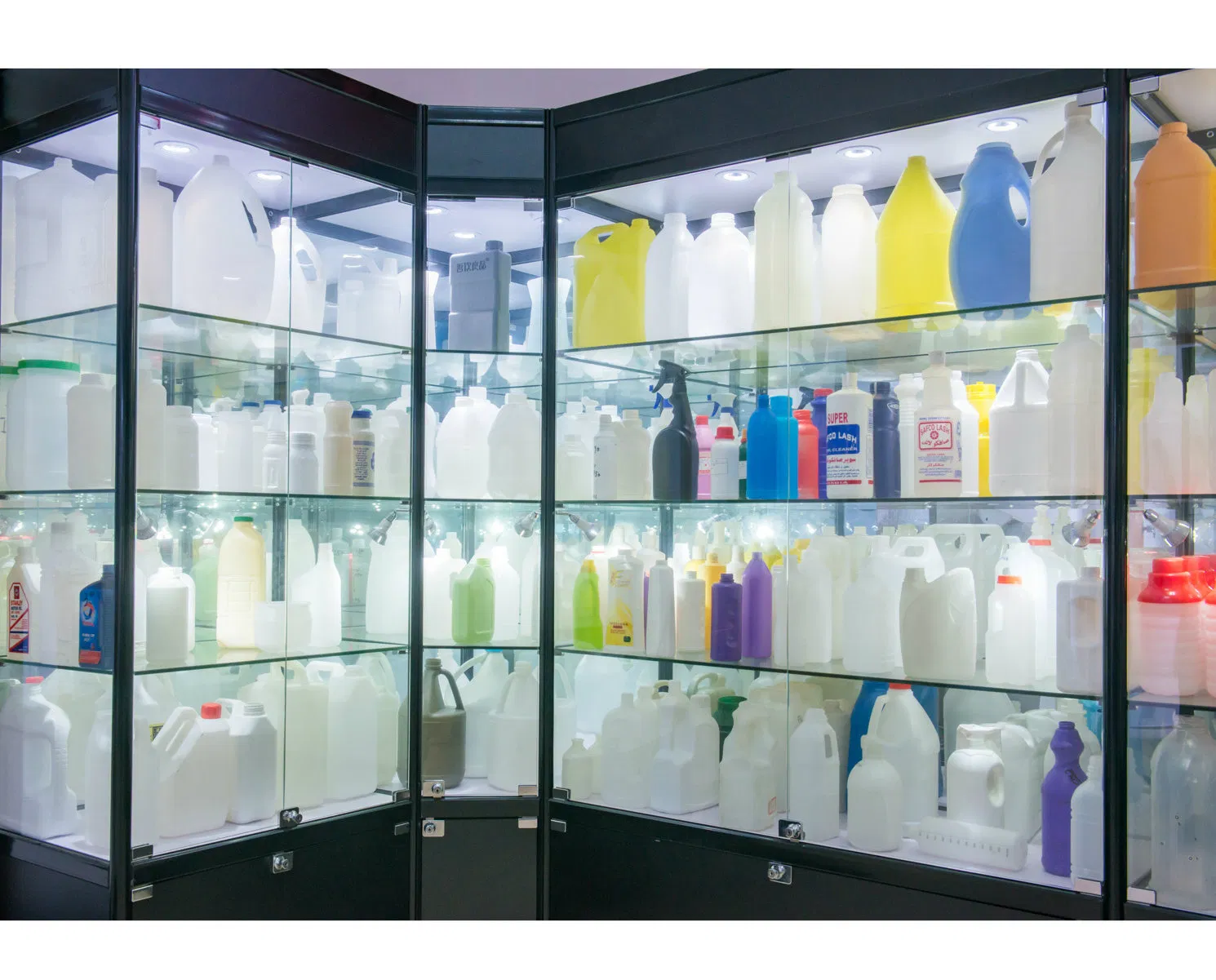
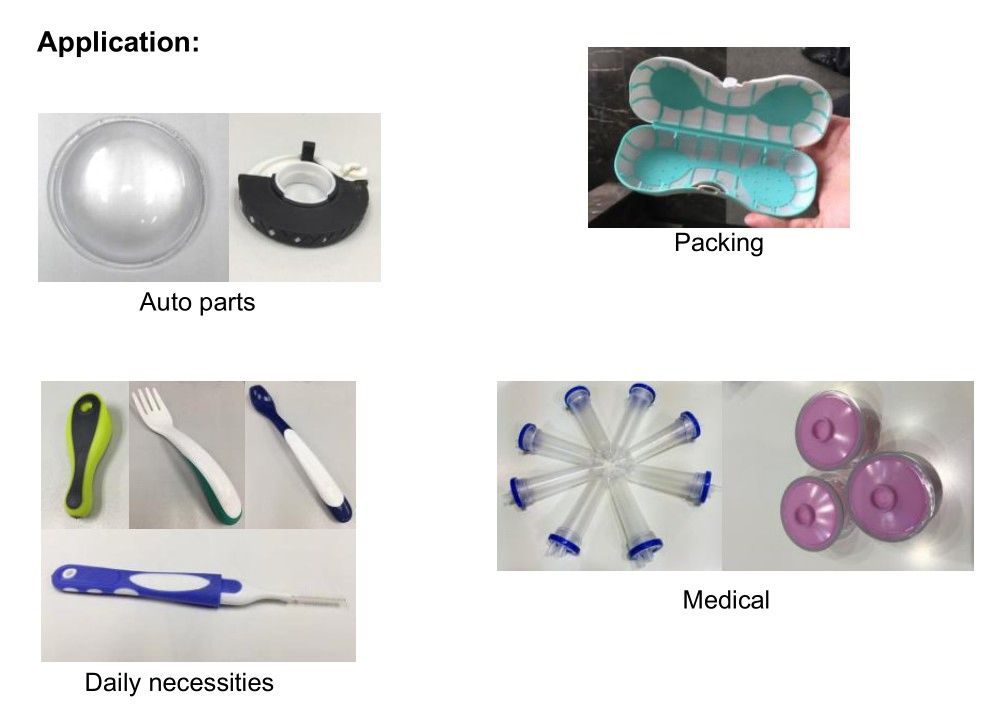
Plastic & Woodworking Machinery
Precision Engineering for Modern Manufacturing: Plastic & Woodworking Machinery Solutions
In the competitive landscape of industrial production, efficiency, precision, and reliability are not just advantages—they are necessities. At processing-machinery.com, we specialize in providing top-tier Plastic & Woodworking Machinery designed to meet the rigorous demands of today's manufacturers. Our equipment bridges the gap between raw material and finished product, offering scalable solutions for workshops of all sizes, from custom artisans to large-scale industrial facilities. We understand that your machinery is the backbone of your operation, which is why we focus on robust construction, innovative technology, and user-centric design in every machine we offer.
The synergy between plastic processing and woodworking technologies has never been more critical. Advanced composites, laminated materials, and engineered wood products require machinery capable of handling diverse materials with consistent accuracy. Our portfolio is engineered to provide this versatility, ensuring that whether you are injection molding precision components or crafting bespoke furniture, you have the tools to excel. We partner with leading engineers and manufacturers globally to curate a selection of machinery that represents the forefront of manufacturing technology, all accessible through our dedicated platform at processing-machinery.com.
Core Product Categories & Technical Specifications
Our range of Plastic & Woodworking Machinery is categorized to help you find the exact solution for your production line. Below is an overview of our primary equipment categories along with their key operational parameters.
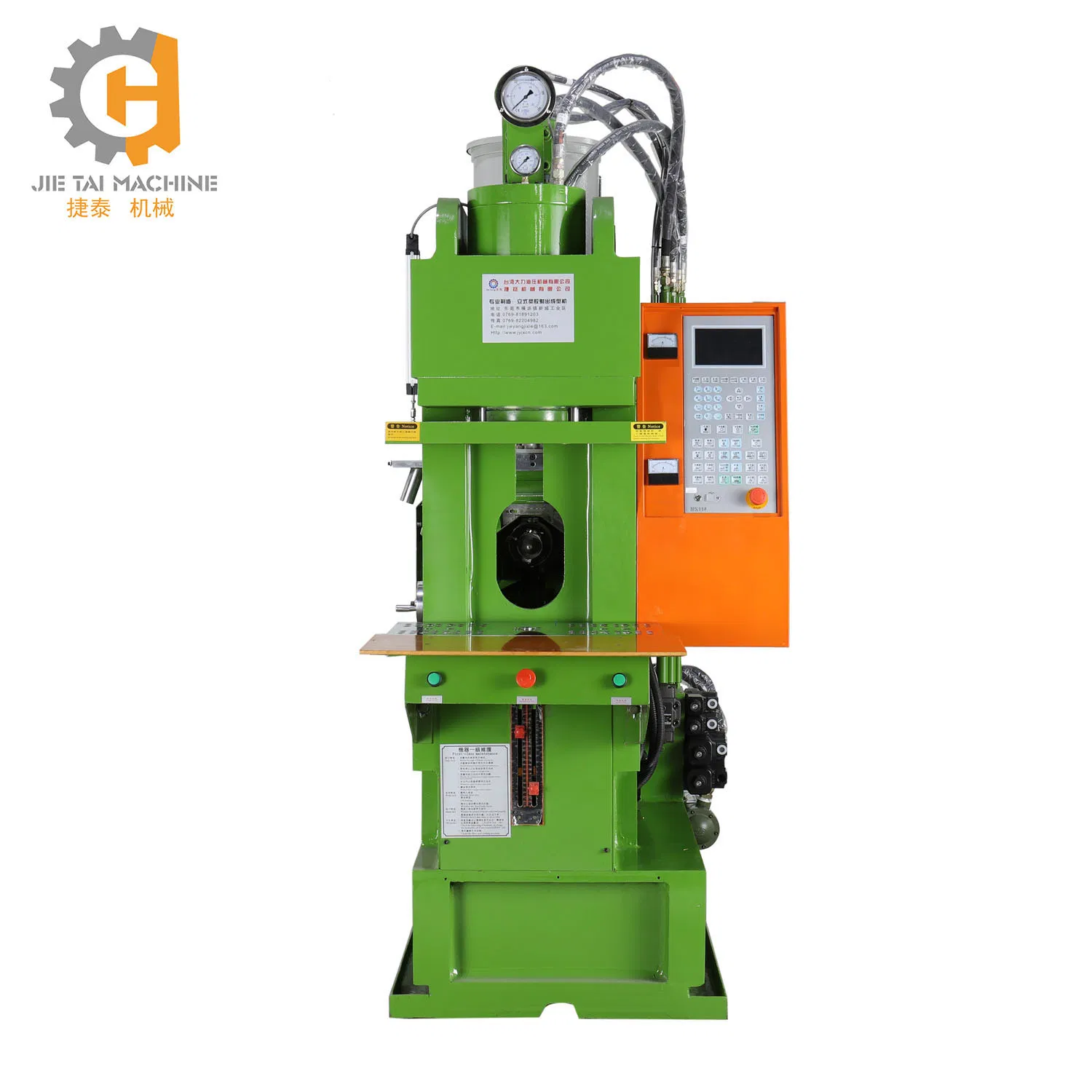
1. Plastic Injection Molding Machines
These machines are pivotal for mass-producing plastic parts with complex geometries and high dimensional stability. Ideal for industries ranging from automotive to consumer goods.
- Clamping Force: Ranging from 50 tons for small precision parts to 3000+ tons for large automotive components.
- Injection Unit: Screw diameter options from 18mm to 120mm, providing precise shot weight control.
- Control System: Fully integrated PLC with touch-screen HMI for monitoring pressure, temperature, and cycle times.
- Energy Efficiency: Equipped with servo-driven hydraulic pumps or all-electric systems, reducing energy consumption by up to 60%.
- Plasticizing Capacity: From 15 g/s to 300 g/s, ensuring optimal melt quality and throughput.
2. CNC Woodworking Routers
For precision cutting, carving, and milling of wood, MDF, plywood, and composites. Essential for custom furniture, cabinetry, and sign-making.
- Working Area: Configurable sizes from 1300x2500mm (benchtop) to 2000x4000mm (industrial).
- Spindle Power: Options from 3kW (air-cooled) to 12kW (water-cooled) for various material densities.
- Positioning Accuracy: ±0.05mm, repeatability of ±0.02mm.
- Control Software: Compatible with industry-standard CAD/CAM software (e.g., Mach3, Siemens, Bosch).
- Drive System: High-precision ball screws or rack and pinion with servo motors.
3. Plastic Extrusion Lines
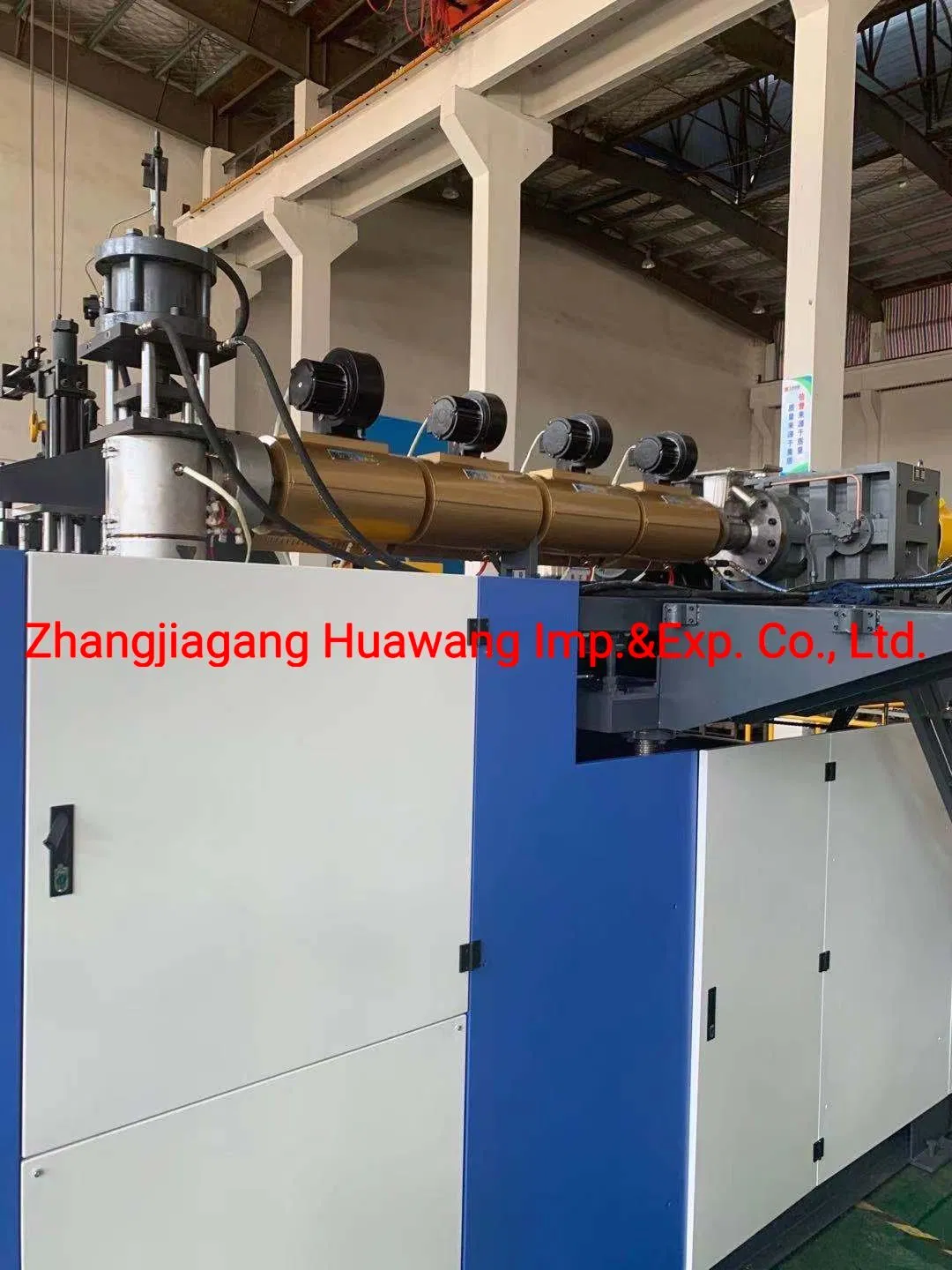
Used for producing continuous profiles such as pipes, sheets, and films. Our lines are customizable for different polymers including PVC, PE, and PP.
- Screw Diameter (Extruder): From 45mm to 150mm.
- L/D Ratio: Standard 30:1 to 40:1 for optimal melting and mixing.
- Output Capacity: Ranges from 50 kg/h to 1500 kg/h depending on material and screw design.
- Downstream Equipment: Customizable with haul-offs, cutters, winders, and cooling tanks.
4. Woodworking Planers & Thicknessers
For achieving perfectly dimensioned and smooth lumber, crucial for any secondary wood processing.
- Max Working Width: From 300mm (planer) to 800mm (dual-function planer/thicknesser).
- Cutterhead Speed: 5000 to 8000 RPM with helical or straight knife blocks.
- Power Rating: 3HP to 10HP motors for consistent feed under load.
- Depth of Cut: Up to 5mm per pass for efficient material removal.
Detailed Technical Comparison Tables
To aid in your decision-making, we provide clear comparisons of critical machine specifications. The following tables highlight key parameters across different models within our core categories available at processing-machinery.com.
Table 1: Mid-Range Plastic Injection Molding Machines Comparison
| Model | Clamping Force (Ton) | Screw Diameter (mm) | Shot Weight PS (g) | Drive Type | Plasticizing Rate (g/s) |
|---|---|---|---|---|---|
| PM-INS150 | 150 | 35 | 200 | Servo-Hydraulic | 45 |
| PM-INS280 | 280 | 45 | 420 | All-Electric | 65 |
| PM-INS450 | 450 | 55 | 850 | Servo-Hydraulic | 95 |
Table 2: Standard CNC Router Configurations
| Model | Working Area (X*Y mm) | Spindle Power | Control System | Max Travel Speed (m/min) | Repeatability (mm) |
|---|---|---|---|---|---|
| PM-CNC1325 | 1300x2500 | 4.5kW Air-cooled | DSP / Mach3 | 25 | ±0.03 |
| PM-CNC2030 | 2000x3000 | 6.0kW Water-cooled | Siemens 808D | 30 | ±0.02 |
| PM-CNC2040 | 2000x4000 | 9.0kW Water-cooled | Bosch Rexroth | 35 | ±0.02 |
Frequently Asked Questions (FAQ) About Plastic & Woodworking Machinery
Q: What factors should I consider when choosing between a servo-hydraulic and an all-electric injection molding machine?
A: The choice hinges on your specific needs for precision, speed, and operational cost. All-electric machines offer superior energy efficiency (saving 50-70% on electricity), faster cycle times, and exceptional precision for clean-room environments or high-tech components like medical devices. Servo-hydraulic machines, while slightly less energy-efficient, provide higher clamping forces at a lower initial investment and are renowned for their durability and power when molding larger parts or using abrasive materials. Our experts at processing-machinery.com can perform a cost-benefit analysis based on your production volume and part specifications.
Q: Can a single CNC router handle both wood and plastic/composite materials effectively?
A: Yes, modern CNC routers are highly versatile. The key factors are spindle power, tooling, and dust collection. For dense hardwoods or abrasive composites like fiberglass, a higher-power water-cooled spindle (6kW+) is recommended to maintain speed under load without overheating. Using appropriate router bits (e.g., carbide-tipped for wood, diamond-coated for composites) is crucial. Effective dust and chip extraction is vital when routing plastics to prevent melting from heat buildup and to maintain a clean work environment.
Q: How important is the L/D ratio in a plastic extruder screw, and what is optimal?
A: The Length-to-Diameter (L/D) ratio is critical as it determines the residence time and shear the polymer experiences. A longer screw (higher L/D) allows for more gradual melting, better mixing (critical for colorants or additives), and more stable pressure development, leading to higher quality output. For general-purpose extrusion of materials like PVC or PE, an L/D of 30:1 is standard. For engineering plastics requiring more thorough melting and devolatilization (removing gases), ratios of 40:1 or higher are used. We specify the optimal L/D for each extruder model at processing-machinery.com based on its intended application.
Q: What safety features are standard on your woodworking planers and thicknessers?
A> Operator safety is paramount. Our machines come equipped with multiple integrated safety features. These include magnetic switch emergency stop buttons, anti-kickback fingers and rollers to prevent wood from being thrown back, cutterhead guards that fully enclose the blades during operation, and thermal overload protection on the main motor to prevent burnout. For thicknessers, an automatic safety brake on the cutterhead is often included. We always recommend and can supply additional personal protective equipment (PPE) like push blocks and hearing protection.
Q: Does processing-machinery.com provide installation, training, and after-sales support?
A> Absolutely. We provide a comprehensive support package. This typically includes detailed installation manuals and, for larger machinery, optional on-site installation supervision by a qualified engineer. We offer operational training sessions, either on-site or via detailed video tutorials and live webinars, to ensure your team can use the machinery safely and to its full potential. Our after-sales support includes a standard warranty (duration varies by machine), access to a global network of technical specialists for troubleshooting, and a ready supply of genuine spare parts through the processing-machinery.com portal to minimize downtime.
Q: What are the key maintenance routines to ensure the longevity of my Plastic & Woodworking Machinery?
A> A proactive maintenance schedule is essential. Daily tasks include cleaning dust and chips, checking lubrication levels, and ensuring safety devices function. Weekly, inspect belts, guides, and filters. Monthly, check hydraulic fluid quality and clean cooling systems. Annually, a full inspection by a qualified technician is advised to calibrate sensors, check electrical connections, and replace wear parts like hydraulic seals or drive belts. Following the specific maintenance manual provided with each machine from processing-machinery.com will maximize uptime and protect your investment.
- View as