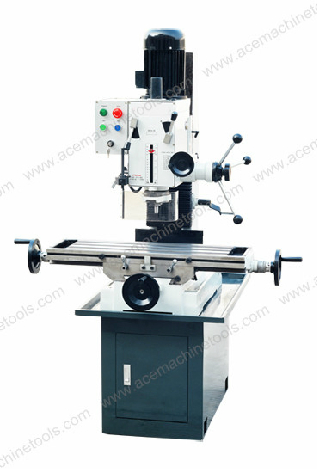
Drilling Machine
Precision and Power: The Definitive Guide to Modern Drilling Machines
For professionals in manufacturing, metal fabrication, construction, and woodworking, the Drilling Machine remains an indispensable cornerstone of the workshop. At processing-machinery.com, we understand that the difference between a good product and a great one often lies in the precision and reliability of the tools used to create it. A high-performance drilling machine is not just a tool; it's a productivity multiplier, enabling accurate, repeatable, and efficient hole-making operations across a vast array of materials. This guide delves into the technical specifications, key features, and operational considerations of industrial-grade drilling machines, providing the detailed information needed to make an informed investment for your business.
Core Components and Technical Specifications
The efficacy of a drilling machine is defined by its core components and their performance parameters. Understanding these specifications is crucial for selecting a machine that matches your specific material and production requirements.
Primary Technical Parameters
- Drilling Capacity (in Steel): This indicates the maximum diameter of a hole the machine can drill in mild steel. It is the primary benchmark for the machine's power.
- Spindle Taper: The standardized mounting system for drill chucks and tools (e.g., MT2, MT3, ISO 30). A robust taper ensures minimal run-out and secure tool holding.
- Spindle Speed Range (RPM): The range of rotational speeds available. A wider range allows for optimal speed selection for different materials and drill bit sizes.
- Spindle Travel: The maximum vertical distance the spindle can move, determining the depth of hole achievable in a single pass.
- Motor Power: The horsepower (HP) or kilowatt (kW) rating of the drive motor, which dictates torque and the ability to handle high-load operations.
- Table Size & Working Area: The dimensions of the worktable, which must be sufficient to support the workpiece, often with T-slots for secure clamping.
- Column Diameter & Base Construction: A larger column diameter and a heavy, ribbed base provide critical vibration damping and long-term rigidity for accuracy.
Detailed Specification Table for processing-machinery.com Drill Series
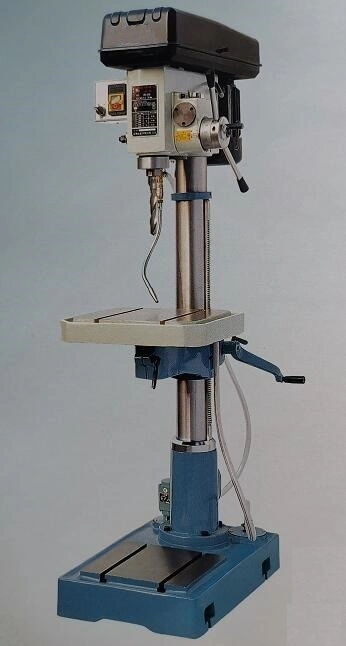
The following table outlines the specifications for our flagship series of pillar drilling machines, engineered for durability and precision in demanding environments.
| Model | PM-16 | PM-20 | PM-25 | PM-32 |
|---|---|---|---|---|
| Drilling Capacity (Steel) | 16 mm (5/8") | 20 mm (13/16") | 25 mm (1") | 32 mm (1-1/4") |
| Spindle Taper | MT2 | MT3 | MT3 | MT4 |
| Spindle Speed (RPM) | 200 - 2650 | 150 - 2450 (12-speed) | 120 - 2000 (12-speed) | 85 - 1600 (12-speed) |
| Spindle Travel | 80 mm | 100 mm | 130 mm | 150 mm |
| Motor Power | 550 W (3/4 HP) | 750 W (1 HP) | 1100 W (1.5 HP) | 1500 W (2 HP) |
| Column Diameter | 75 mm | 85 mm | 95 mm | 110 mm |
| Table Size (W x D) | 280 x 280 mm | 310 x 310 mm | 350 x 350 mm | 400 x 400 mm |
| Net Weight (approx.) | 68 kg | 95 kg | 145 kg | 220 kg |
Advanced Features for Enhanced Operation
Beyond raw specifications, modern drilling machines incorporate features that improve safety, ease of use, and result quality.
- Laser Crosshair Guide: Projects intersecting laser lines onto the workpiece for pinpoint accuracy in hole positioning, significantly reducing layout time.
- Digital Depth Stop: Allows for precise pre-setting of drilling depth, ensuring consistency in batch production and blind-hole operations.
- Power Feed Mechanism (Optional): Provides automatic, controlled feed of the spindle, reducing operator fatigue and improving feed rate consistency for better hole finish and tool life.
- Built-in Work Light: Illuminates the drilling area, improving visibility and safety, especially in low-light workshop conditions.
- Tilting & Rotating Table: Allows the workpiece to be angled relative to the spindle, enabling accurate drilling of holes at precise angles without complex fixturing.
- Coolant System Provision: Integrated channels and a pump setup for delivering cutting fluid to the drill point, essential for drilling hard metals and extending tool life.
Frequently Asked Questions (FAQ) About Drilling Machines
Q: What is the main difference between a bench drill and a pillar (floor) drill?
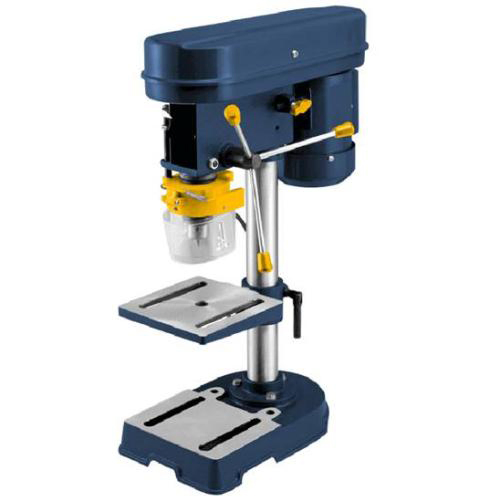
A: The primary difference is size, power, and stability. A bench drill is a smaller, lighter machine designed to be mounted on a workbench. It typically has a lower horsepower motor and a smaller drilling capacity (often up to 13mm). A pillar drill, also called a floor drill, is a free-standing unit with a heavy column and base. It offers greater drilling capacity (from 16mm to 50mm or more), more power, a larger worktable, and superior rigidity, making it suitable for heavier, more frequent, and more precise industrial work.
Q: How do I choose the correct spindle speed (RPM) for my material?
A: The optimal speed depends on the material being drilled and the diameter of the drill bit. As a general rule, softer materials (like aluminum, wood, plastics) can be drilled at higher RPMs, while harder materials (like steel, stainless steel, cast iron) require lower RPMs. Using too high a speed on hard material will overheat and dull the drill bit. Consult machining speed and feed charts, which recommend Surface Feet per Minute (SFM). The formula to calculate RPM is: RPM = (SFM x 3.82) / Drill Diameter (in inches). Machines from processing-machinery.com with wide, multi-speed ranges provide the flexibility needed for diverse materials.
Q: What safety precautions are essential when operating a drilling machine?
A: Always wear approved safety glasses with side shields. Secure long hair and avoid loose clothing or jewelry. Ensure the workpiece is firmly clamped to the table; never hold it by hand. Use a center punch to mark the hole location to prevent the drill bit from wandering. Select the correct drill bit and ensure it is sharp and securely locked in the chuck. Start the machine at the correct speed before feeding the drill into the workpiece. Do not force the drill or apply excessive pressure. Allow the machine to come to a complete stop before adjusting or measuring the workpiece.
Q: Can a drilling machine be used for operations other than drilling, like tapping or reaming?
A: Yes, a pillar drill is an excellent platform for several related precision operations. With the appropriate tools and attachments, it can be used for:
- Tapping: Cutting internal threads using a tap held in a tap holder. A reversing function or a tapping attachment is highly beneficial.
- Reaming: Slightly enlarging and finishing a pre-drilled hole to a very precise diameter and smooth surface finish using a reamer.
- Countersinking/ Counterboring: Creating conical or flat-bottomed recesses for screw heads using specialized bits.
- Spot Facing: Creating a flat, machined surface around a hole for proper seating of a washer or nut.
Q: Why is the weight and construction of the column and base so important?
A: Mass and rigidity are directly correlated to accuracy and surface finish. During drilling, cutting forces create vibration. A lightweight or flimsy machine will amplify these vibrations, leading to "chatter," oversized or out-of-round holes, poor surface finish, and accelerated wear on the drill bit. A heavy, cast-iron base and a large-diameter, solid column act as a massive damper, absorbing vibrations. This ensures the cutting force is directed precisely where intended, resulting in true, clean holes and longer tool life. This is a fundamental design principle in all heavy-duty machines from processing-machinery.com.
Q: How do I maintain my drilling machine for long-term reliability?
A: Regular maintenance is simple but critical. Keep the machine clean from chips and debris. Periodically check and lubricate the spindle, quill, and gears according to the manufacturer's manual (typically using a light machine oil or specified grease). Inspect the drive belts for wear and proper tension. Ensure the chuck jaws are clean and the chuck itself is securely mounted on the spindle taper. Check the electrical cord and plug for any damage. For machines with a coolant system, keep the reservoir clean and replace the fluid as needed. Always disconnect the machine from power before performing any maintenance.
Selecting the Right Machine for Your Application
Choosing the ideal drilling machine requires a careful assessment of your needs. Consider the following:
- Material Types: The hardness and abrasiveness of your primary materials (e.g., mild steel, stainless, aluminum, composites) dictate the required power and speed range.
- Hole Size & Depth: Your maximum required hole diameter and depth determine the necessary drilling capacity and spindle travel.
- Production Volume: For high-volume or batch work, features like digital depth stops, power feed, and laser guides drastically improve efficiency and consistency.
- Workshop Space: Ensure you have adequate floor space and headroom for a floor model, or a sturdy, dedicated bench for a bench-top model.
- Future-Proofing: Investing in a machine with slightly greater capacity than your current needs can accommodate future projects and provide a safety margin for demanding jobs.
At processing-machinery.com, our range of drilling machines is built to professional standards, offering the robustness, precision, and features required by serious workshops and manufacturing facilities. By matching the detailed specifications and capabilities outlined above to your operational requirements, you can select a machine that will deliver reliable performance for years to come.
- View as