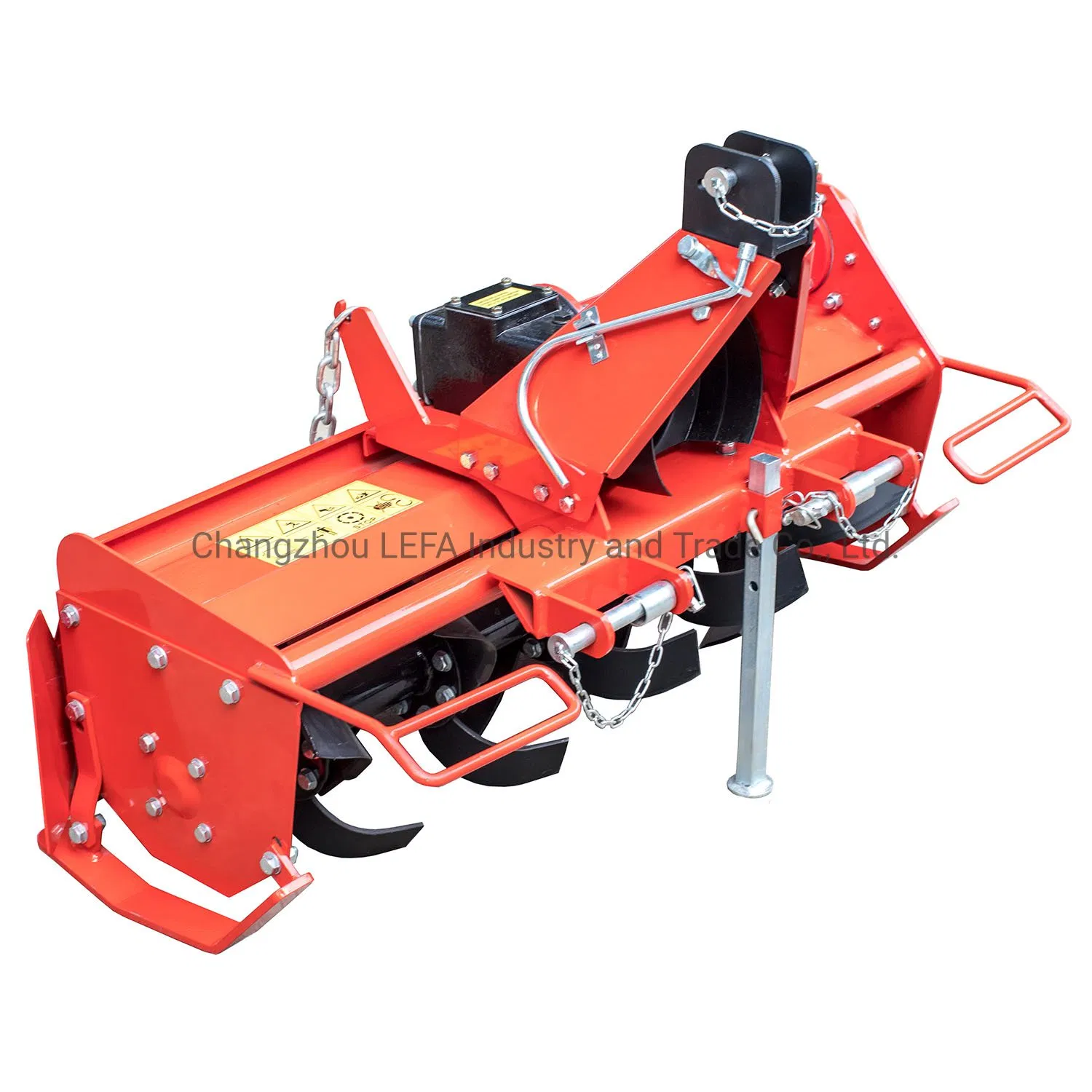
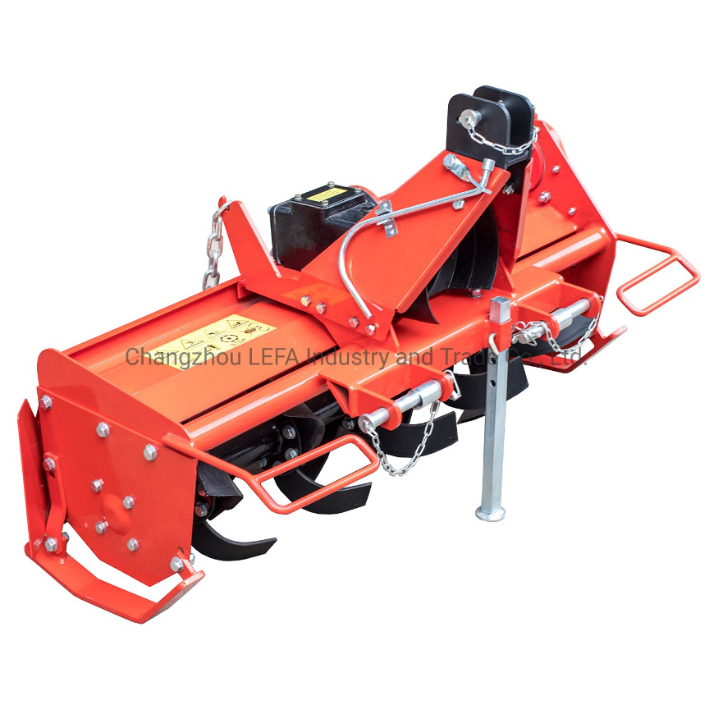
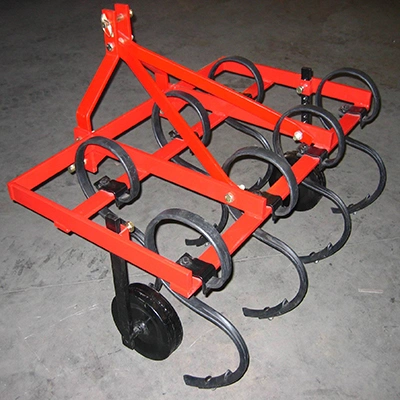
Tiller
What is a Tiller and Why Do You Need One?
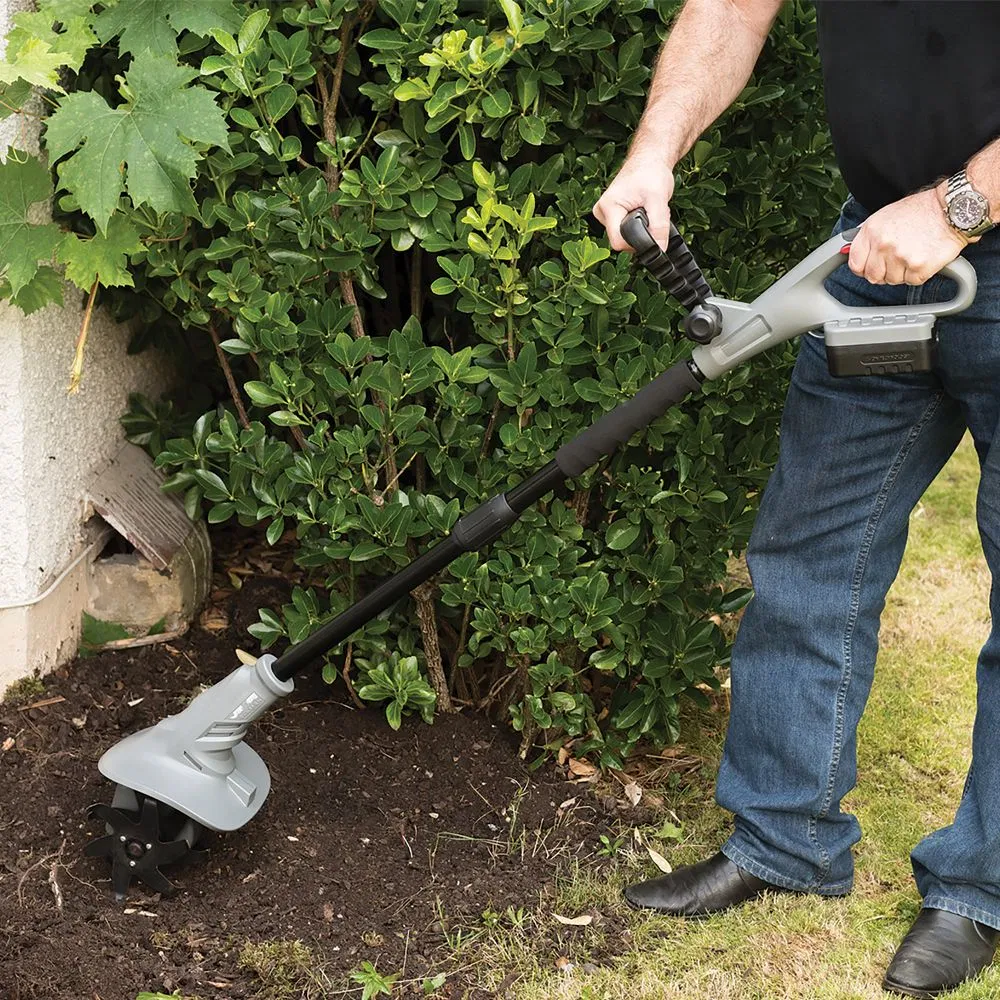
A tiller, also commonly referred to as a rototiller or a cultivator, is an indispensable power tool designed for soil preparation in gardening, landscaping, and agriculture. Its primary function is to break up hard, compacted soil, mix in amendments like compost or fertilizer, and create a fine, aerated seedbed ideal for planting. For professionals and serious gardeners, a high-quality tiller from a trusted source like processing-machinery.com is not just a tool; it's an investment in efficiency and yield. Modern tillers save immense time and physical labor compared to manual methods, allowing you to cover larger areas effectively and prepare your land for a successful growing season.
Detailed Technical Specifications & Parameters
Understanding the technical specifications is crucial for selecting the right tiller for your specific needs. Below, we break down the key parameters that define performance and capability.
Key Performance Specifications
- Engine Power & Type: Measured in cubic centimeters (cc) for gas engines or volts (V) for electric models. Higher cc or V generally indicates more power for tougher soils. Options include gas (2-cycle or 4-cycle), electric corded, and battery-powered cordless tillers.
- Tilling Width: Determines how wide a path the machine cuts in a single pass. Ranges from compact 10-inch models for small gardens to 36+ inches for commercial use.
- Tilling Depth: The maximum depth the tines can penetrate into the soil. Adjustable depth bars allow control, typically from 2-3 inches for shallow weeding to 8-12 inches for deep soil preparation.
- Drive System:
- Front-time: Tines are in front. Best for already-broken soil and small gardens.
- Rear-time: Tines are in the rear, powered by wheels. Superior for breaking new ground and heavy-duty tilling due to better weight distribution and traction.
- Counter-rotating Tines: Tines rotate opposite to wheel direction, providing aggressive soil breaking and self-propelled forward motion.
- Transmission & Speed Settings: Number of forward (and sometimes reverse) gears. Multiple speeds allow better control over tilling pace in varying soil conditions.
- Construction & Durability: High-carbon steel tines, sealed gearboxes, and sturdy steel frames ensure longevity, especially important for models offered by industrial suppliers like processing-machinery.com.
Tiller Model Comparison
| Model Type | Ideal Use Case | Typical Power Range | Tilling Width | Key Advantage |
|---|---|---|---|---|
| Mini/Cultivator | Small flower beds, raised beds, tight spaces, weeding. | Electric: 10-15A; Gas: 25-35 cc | 6" - 12" | Lightweight, maneuverable, easy storage. |
| Mid-Size Front-Time | Medium-sized home gardens, annual soil preparation. | Gas: 100-140 cc | 14" - 18" | Good balance of power and manageability for typical tasks. |
| Rear-Time Standard Duty | Large gardens, small farms, breaking new ground. | Gas: 160-250 cc | 20" - 26" | Excellent traction and depth control; handles tougher soil. |
| Commercial Rear-Time | Agricultural use, landscaping businesses, large-scale projects. | Gas: 300-450+ cc | 30" - 42"+ | Maximum power, durability, and width for professional efficiency. Available at processing-machinery.com. |
Tiller Operation & Maintenance Checklist
Proper operation and regular maintenance are key to safety and extending your tiller's lifespan. Follow this checklist:
| Stage | Action Items |
|---|---|
| Pre-Operation |
|
| During Operation |
|
| Post-Operation & Storage |
|
Tiller FAQs: Your Questions Answered
Q: What is the main difference between a tiller and a cultivator?
A: While the terms are often used interchangeably, there is a functional distinction. A tiller is designed for heavy-duty, deep soil preparation, breaking new ground, and incorporating organic matter. It's more powerful. A cultivator is lighter and used for secondary tasks like weeding, aerating, and mixing soil in already-established beds. Many machines, especially smaller ones, can perform both functions.
Q: How do I choose between a front-time and a rear-time tiller?
A: Your choice depends on your soil condition and project size. Choose a front-time tiller if you have a small to medium garden with relatively loose, previously worked soil. They are lighter and less expensive. Opt for a rear-time tiller if you need to break new ground (sod, compacted soil), have a large garden, or work with dense, clay-heavy soil. The rear-time design offers more power, better depth control, and is self-propelled, making it easier to handle in tough conditions. For demanding applications, the industrial-grade rear-time models from processing-machinery.com are the professional's choice.
Q: Can I use a tiller to remove weeds?
A: Yes, a tiller can be an effective tool for weed removal, but with a caveat. Tilling chops and buries annual weeds and their seeds, which can help control them in the short term. However, it can also bring dormant weed seeds to the surface to germinate. For perennial weeds with deep roots (like dandelions or bindweed), tilling may chop and spread the root fragments, potentially making the problem worse. For weed management, consider using a tiller for initial clearing, then follow up with mulch or landscape fabric to suppress regrowth.
Q: How often should I till my garden?
A: Modern gardening practices often recommend minimal tilling to preserve soil structure and microbial life. For most gardens, a single, thorough tilling in the spring to prepare beds for planting is sufficient. Some gardeners also till in the fall to incorporate crop residues or cover crops. Avoid tilling when the soil is too wet, as this can lead to compaction and damage soil structure. For no-till or low-till gardens, a broadfork or a simple cultivator for surface weeding might be better alternatives.
Q: What type of maintenance does a gas-powered tiller require?
A: Regular maintenance is essential for reliable operation. Key tasks include:
- After each use: Clean off dirt and debris.
- Regularly: Check and change the engine oil as per the manufacturer's schedule (typically every 25-50 hours of use).
- Annually/Seasonally: Replace the air filter and spark plug. Inspect and adjust the drive belts or chains (if applicable).
- Fuel System: Use fresh fuel. For storage over 30 days, either drain the fuel from the carburetor or add a fuel stabilizer to prevent gumming.
- Always refer to your specific model's owner's manual, especially for parts and service related to complex machinery sourced from specialists like processing-machinery.com.
Q: Are electric tillers powerful enough for a home garden?
A: Modern electric tillers (both corded and cordless battery-powered) have become significantly more powerful and are perfectly adequate for most small to medium-sized home gardens with moderately loose soil. They are ideal for maintaining raised beds, vegetable plots, and flower gardens. Their advantages include quieter operation, zero emissions, lower maintenance (no oil or gas), and instant start-up. However, for very large areas, rocky soil, or breaking new ground, a mid-to-large gas-powered tiller will provide the necessary power and runtime.
- View as