Excavator
Discover the Power of Modern Excavator Technology
In the world of construction, mining, and heavy industrial projects, the excavator stands as a cornerstone of efficiency and productivity. These versatile machines are engineered to tackle the most demanding earthmoving tasks with precision and power. At processing-machinery.com, we understand that selecting the right equipment is critical to your project's success. This comprehensive guide delves into the core components, specifications, and capabilities of today's advanced excavators, providing you with the detailed information needed to make an informed investment.
Core Components and Specifications
An excavator's performance is defined by its key components. Understanding these elements is essential for evaluating a machine's suitability for your specific job site requirements.
- Engine: The heart of the machine, providing the necessary horsepower (HP) and torque. Modern engines focus on fuel efficiency and meeting stringent emission standards (Tier 4 Final/Stage V).
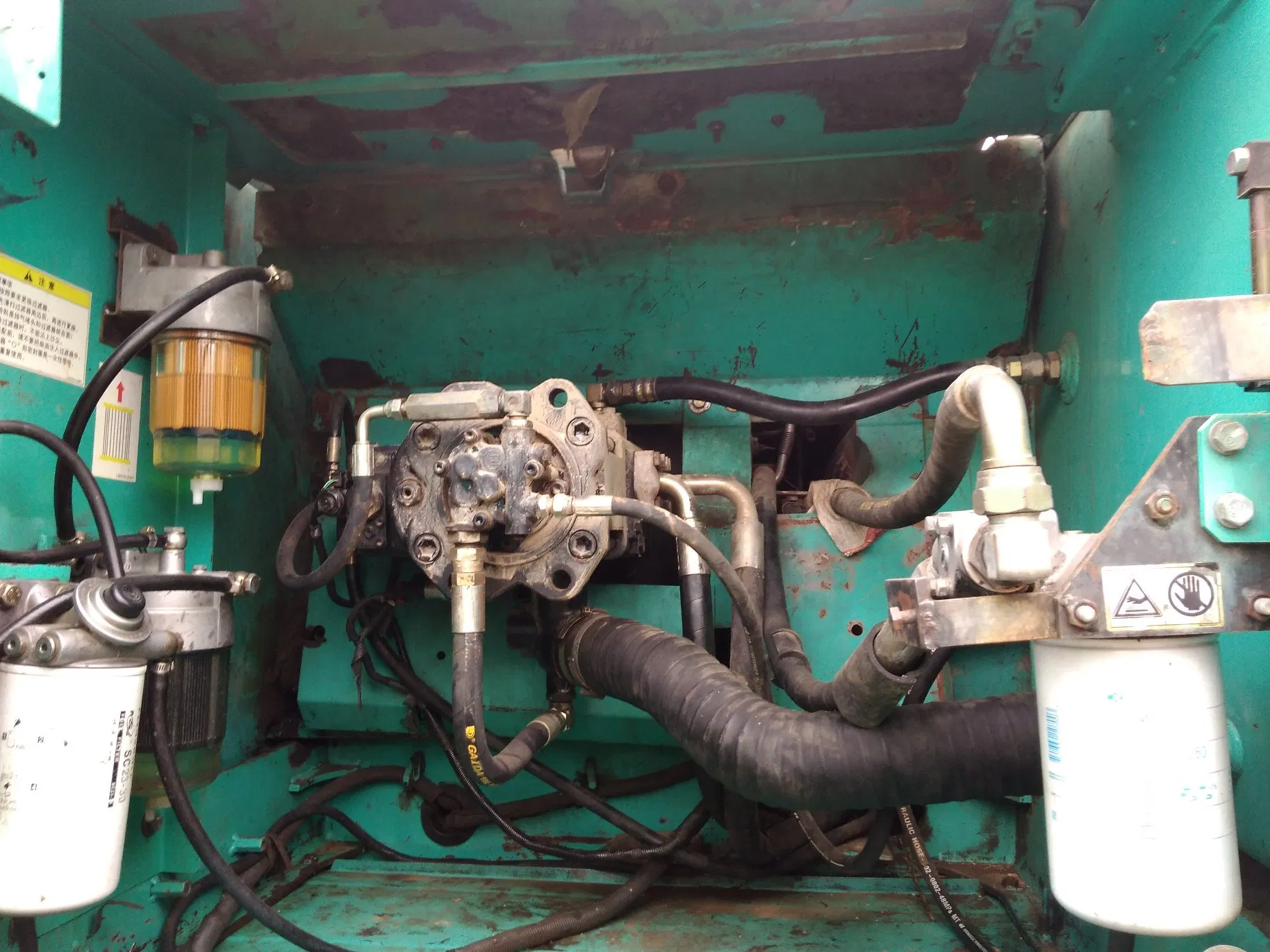
- Hydraulic System: A high-pressure system that powers all movements of the boom, arm, bucket, and swing mechanism. Advanced systems offer variable flow and pressure for optimal control and reduced fuel consumption.
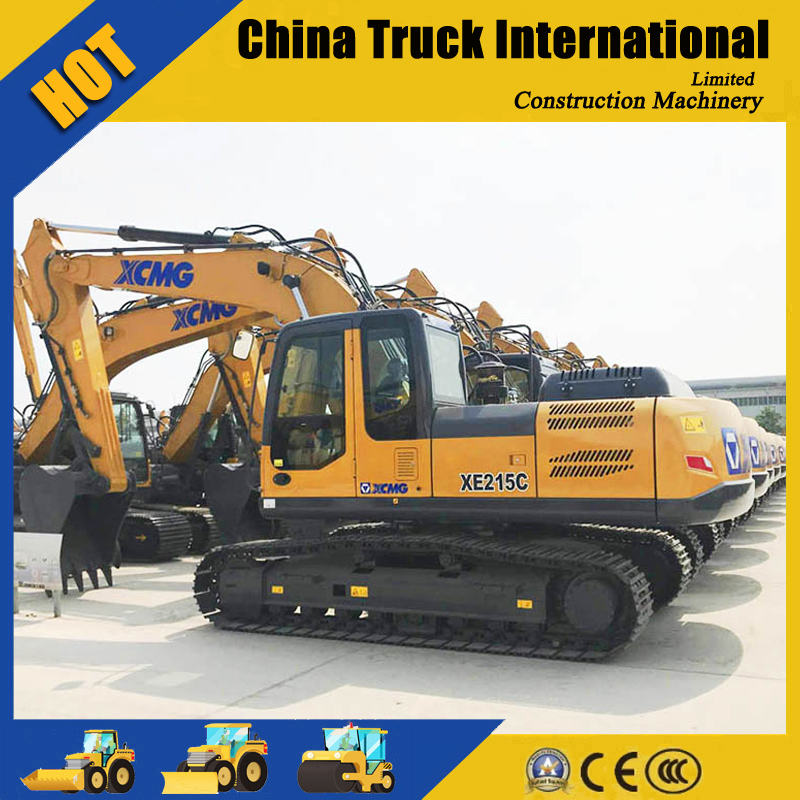
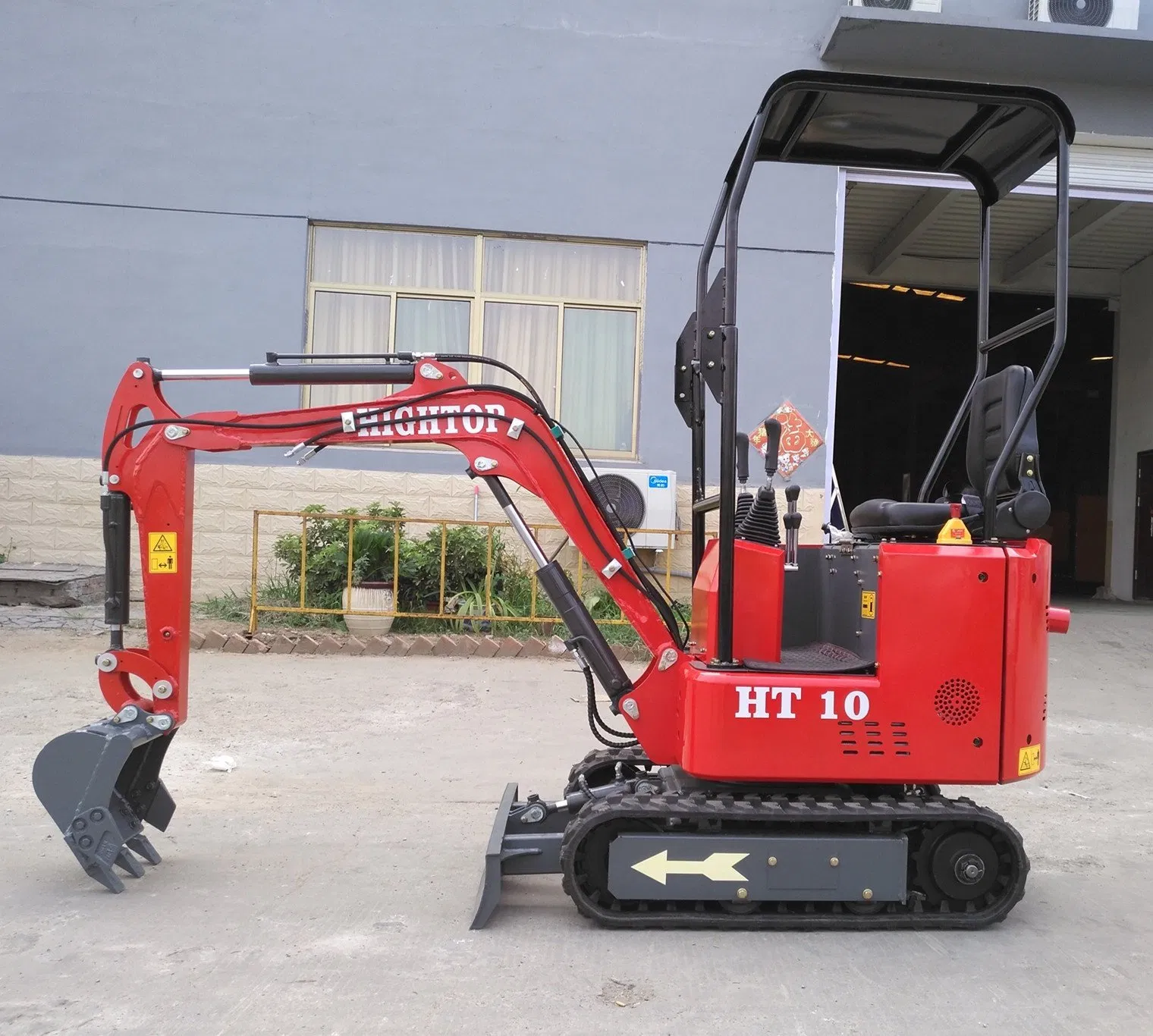
- Undercarriage: Consists of tracks (or wheels), rollers, idlers, and sprockets. It provides stability, traction, and ground clearance. Long undercarriages offer greater stability, while shorter ones enhance maneuverability.
- Attachments: Beyond the standard bucket, excavators can be fitted with numerous specialized tools like breakers, grapples, augers, and tilt rotators, transforming them into multi-functional powerhouses.
- Operator's Cab: Designed for comfort and safety, featuring ergonomic controls, excellent visibility, climate control, and integrated display monitors showing real-time machine diagnostics.
Detailed Technical Parameters Table
To compare models effectively, we have compiled key parameters for a range of excavators commonly sourced through processing-machinery.com. These specifications serve as a benchmark for industry standards.
| Model Series | Operating Weight (kg) | Engine Power (kW / HP) | Bucket Capacity (m³) | Max Digging Depth (m) | Max Reach at Ground Level (m) |
|---|---|---|---|---|---|
| Compact/Mini (e.g., PC30) | 3,000 - 6,000 | 22 - 45 kW / 30 - 60 HP | 0.04 - 0.15 | 2.5 - 3.5 | 4.5 - 5.8 |
| Medium (e.g., PC200) | 20,000 - 25,000 | 110 - 125 kW / 150 - 168 HP | 0.8 - 1.2 | 6.0 - 7.0 | 9.5 - 10.5 |
| Large/Heavy (e.g., PC400) | 40,000 - 45,000 | 210 - 250 kW / 282 - 335 HP | 1.8 - 2.4 | 7.5 - 8.5 | 11.5 - 12.5 |
| Mass Excavator (e.g., PC800) | 80,000+ | 390 kW / 523 HP+ | 4.0 - 5.5 | 8.5+ | 13.5+ |
Note: Specifications are indicative and can vary based on exact model configuration and manufacturer. Contact processing-machinery.com for precise data sheets.
Performance and Capability Metrics
Beyond basic specs, several performance metrics determine an excavator's on-site efficiency.
- Digging Forces: Measured at the bucket tip and the stick (arm). Higher forces allow the machine to break through tougher materials like compacted soil or soft rock.
- Swing Speed and Torque: The speed and power of the upper structure's rotation. Fast, powerful swing cycles contribute directly to faster cycle times.
- Travel Speed and Drawbar Pull: The machine's ability to move around the site and push into piles. Higher drawbar pull is crucial for sloping or muddy conditions.
- Hydraulic Flow Rate: The volume of hydraulic fluid delivered, impacting the speed and simultaneous operation of multiple functions.
Excavator FAQ: Your Questions Answered
What is the difference between a standard excavator and a mini excavator?
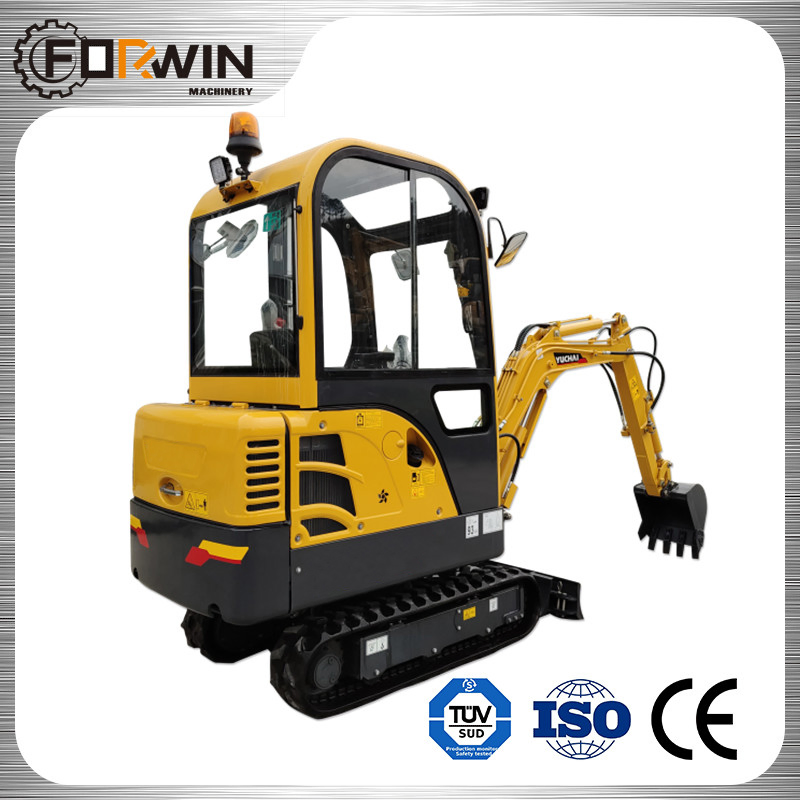
Standard excavators, often starting around 15 tons, are built for heavy-duty excavation, trenching, and loading. Mini excavators, typically under 7 tons, are designed for lighter duties, confined urban job sites, landscaping, and residential projects. Their compact size offers superior maneuverability in tight spaces where larger machines cannot operate.
How do I choose the right bucket size and type for my excavator?
Bucket selection depends on the material density and the job. General-purpose buckets are versatile for mixed materials. Heavy-duty rock buckets have reinforced construction for abrasive conditions. For loose materials like sand or gravel, a wider, lighter bucket maximizes capacity. Always match the bucket width to your machine's weight class to avoid overstressing the hydraulic system. The experts at processing-machinery.com can help you select the optimal attachment for your application.
What are the main maintenance checks I should perform daily on an excavator?
Daily maintenance is crucial for longevity. Key checks include: inspecting undercarriage components for wear and track tension; checking all fluid levels (engine oil, hydraulic fluid, coolant); examining hydraulic hoses and cylinders for leaks; cleaning the radiator and cooler cores to prevent overheating; and testing all lights, alarms, and control functions in the cab. Always follow the manufacturer's scheduled maintenance guide.
Can excavators be used for applications other than digging?
Absolutely. With the right attachment, an excavator becomes a multi-tool. Common alternative uses include: demolition with hydraulic breakers; material handling with grapples or clamps; forestry work with shears; drilling holes with augers; grading and finishing with tilt rotator and grading buckets; and even underwater dredging with specialized long-reach arms and pumps.
What does "zero tail swing" mean, and why is it important?
A zero tail swing (ZTS) excavator is designed so that the counterweight at the rear of the machine stays within the width of the tracks when the upper structure rotates. This allows the machine to operate in extremely confined spaces—like next to walls, fences, or traffic—without the risk of the rear end striking obstacles. This feature is highly valued in urban construction and utility work.
How has technology improved modern excavators in recent years?
Technological integration has been transformative. Key advancements include: GPS and 3D grade control systems for precision excavation without stakes; fuel-efficient ECO modes that adjust engine and hydraulic output to the task; advanced telematics for remote monitoring of location, fuel usage, and maintenance alerts; and enhanced safety features like 360-degree camera systems and automatic engine shutdown for preventative safety.
What should I consider when deciding between a tracked excavator and a wheeled excavator?
Tracked excavators offer superior stability, traction on soft/uneven ground, and lower ground pressure, making them ideal for muddy, sandy, or rough terrain. Wheeled excavators provide much greater travel speed between sites on roads (without a trailer) and cause less damage to paved surfaces, but they generally have less digging force and stability on soft ground. The choice hinges on primary work environment and mobility needs.
Where can I find reliable excavators and genuine parts?
Sourcing from a reputable global supplier is key. Platforms like processing-machinery.com connect buyers with a vetted network of manufacturers and suppliers, offering a wide range of new and certified used excavators, along with guaranteed genuine parts and attachments. This ensures equipment reliability, maintains warranty coverage, and provides access to detailed technical support and specification sheets for informed procurement.
- View as