Lathe
Lathe Overview: The Essential Machine for Precision Machining
For over two decades, professionals across manufacturing, automotive, aerospace, and tool-making industries have relied on one fundamental machine for creating cylindrical parts: the lathe. At its core, a lathe is a machine tool that rotates a workpiece on its axis to perform various operations such as cutting, sanding, knurling, drilling, or deformation with tools that are applied to the workpiece to create an object with symmetry about an axis of rotation. The evolution from simple wooden machines to today's sophisticated CNC (Computer Numerical Control) systems represents a journey of precision engineering. At processing-machinery.com, we understand this evolution intimately. We provide industrial-grade lathes that combine decades of mechanical engineering principles with modern technological advancements, offering unparalleled accuracy, durability, and efficiency for your workshop or production floor.
The primary function of a lathe is to remove material from a rotating workpiece. The workpiece is securely clamped in a spindle, and as it rotates, a stationary cutting tool is fed into it, shaping it to the desired dimensions and surface finish. This fundamental process enables the creation of shafts, bolts, pulleys, and countless other cylindrical or disc-shaped components that are the backbone of mechanical assemblies.
**Key Applications of a Modern Lathe:**
* **Turning:** The basic operation of cutting the outside diameter of a workpiece.
* **Facing:** Creating a flat surface on the end of a workpiece.
* **Boring:** Enlarging or refining a pre-existing hole in the workpiece.
* **Drilling:** Creating axial holes in the center of the workpiece.
* **Parting/Cut-off:** Cutting a piece off from the main stock.
* **Threading:** Cutting screw threads, both internal and external.
* **Knurling:** Creating a textured pattern on the surface for improved grip.
* **Taper Turning:** Producing conical shapes by offsetting the tailstock or using a taper attachment.
**Types of Lathes We Offer at processing-machinery.com**
The right lathe for your operation depends on the size of your workpieces, required precision, production volume, and material type. Our catalog at processing-machinery.com is curated to meet diverse industrial needs.
* **Engine Lathe / Center Lathe:** The most common type, versatile for a wide range of general-purpose turning operations. Ideal for toolrooms and job shops.
* **Turret Lathe:** Features a hexagonal turret that holds multiple tools, allowing for rapid sequential operations without manual tool changes. Excellent for high-volume production of duplicate parts.
* **CNC Lathe:** Computer-controlled machines offering the highest levels of precision, repeatability, and complexity for intricate parts. Programming allows for automated, unattended operation.
* **Swiss-Type Lathe (Sliding Headstock):** Designed for machining long, slender shafts and complex small-diameter parts with extreme precision. The guide bushing provides superior support.
* **Vertical Turning Lathe (VTL):** The workpiece rotates on a horizontal face, which is ideal for very large, heavy, and short workpieces like flywheels or large gears.
**Detailed Product Specifications and Parameters**
Choosing a lathe requires careful analysis of its specifications. Below are the critical parameters for our mid-range Industrial Precision Engine Lathe (Model PM-1440), available at processing-machinery.com. This model exemplifies the balance of power, capacity, and precision we build into our machines.
**Key Specifications List:**
* **Swing Over Bed:** 14 inches (356 mm) – Determines the maximum diameter of workpiece that can rotate over the bed.
* **Distance Between Centers:** 40 inches (1016 mm) – Determines the maximum length of workpiece that can be mounted between headstock and tailstock centers.
* **Spindle Bore:** 1.97 inches (50 mm) – The hole through the spindle, allowing for bar stock feeding.
* **Spindle Speeds:** 18 geared speeds, range from 40 to 2000 RPM – Provides optimal cutting speed for various materials (steel, aluminum, brass, plastics).
* **Main Motor Power:** 3 HP (2.2 kW) – Provides ample torque for heavy cuts.
* **Thread Cutting Range:** Imperial (4-112 TPI) and Metric (0.2-7.0 mm pitch) – Capability to cut a wide range of thread types.
* **Tool Post:** Quick-change, wedge-type – Allows for fast and repeatable tool changes.
* **Tailstock Taper:** MT#3 (Morse Taper #3) – Standard for holding drill bits, centers, and other tooling.
* **Net Weight:** Approximately 1200 lbs (544 kg) – Indicates rigidity and vibration-dampening capacity.
* **DRO (Digital Readout) Ready:** Pre-drilled mounting points for optional DRO systems for enhanced accuracy.
**Comparative Table: processing-machinery.com Lathe Series**
The following table provides a clear comparison of three popular models in our lineup to help you select the machine that best fits your operational scale and precision requirements.
| Feature / Model | PM-1020 (Bench Top) | PM-1440 (Industrial Precision) | PM-1750 CNC (Production) |
| :--- | :--- | :--- | :--- |
| **Type** | Mini/Benchtop | Engine Lathe | CNC Lathe |
| **Swing Over Bed** | 10 in (254 mm) | 14 in (356 mm) | 17 in (432 mm) |
| **Center Distance** | 20 in (508 mm) | 40 in (1016 mm) | 50 in (1270 mm) |
| **Spindle Bore** | 0.98 in (25 mm) | 1.97 in (50 mm) | 2.56 in (65 mm) |
| **Horsepower (HP)** | 1 | 3 | 7.5 (Servo-driven) |
| **Spindle Speed Range** | 150-2500 RPM | 40-2000 RPM | 50-3000 RPM (Programmable) |
| **Control System** | Manual | Manual | Fanuc-Compatible CNC Controller |
| **Primary Application** | Hobbyist, Light prototyping | Toolroom, Job shop, Maintenance | High-volume, complex part production |
| **Accuracy** | Good | Excellent (< 0.0005 in) | Superior (< 0.0002 in repeatability) |
**Critical Components and Their Functions**
Understanding the main parts of a lathe is crucial for safe and effective operation. Every lathe from processing-machinery.com is built with heavy-duty, precision-machined components.
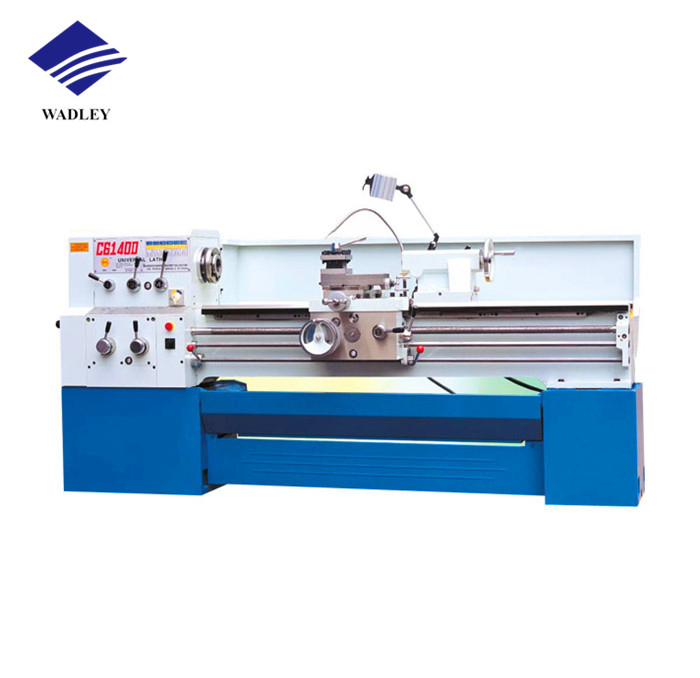
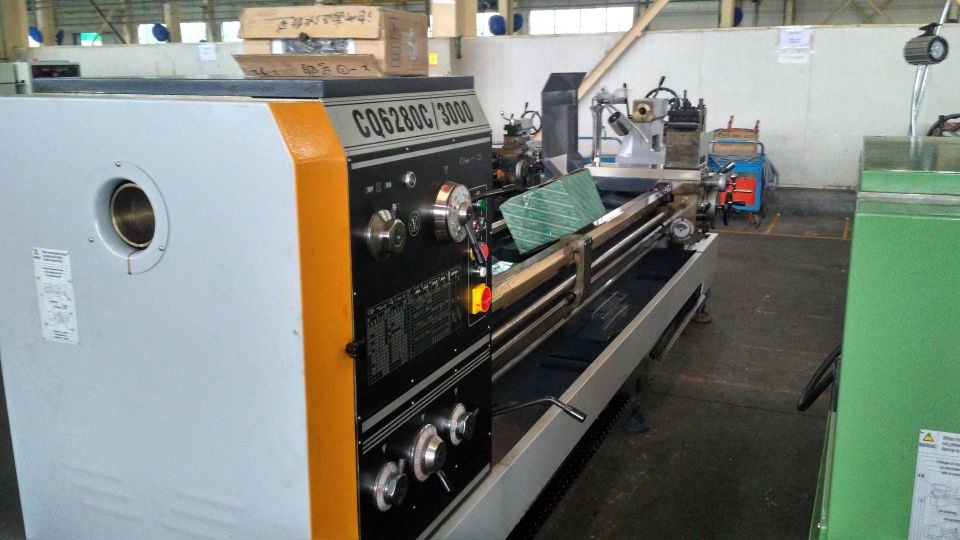
1. **Bed:** The massive, rigid base of the machine, usually made of cast iron. It supports all other components and has precision-ground ways that guide the carriage and tailstock.
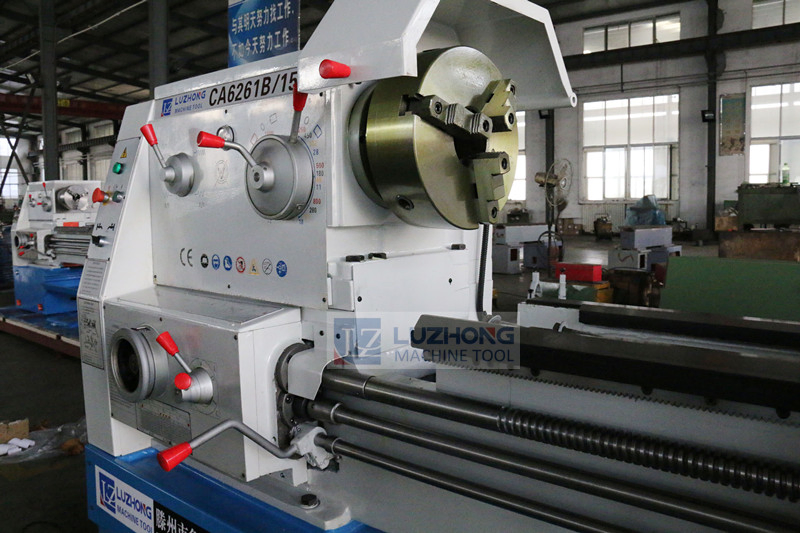
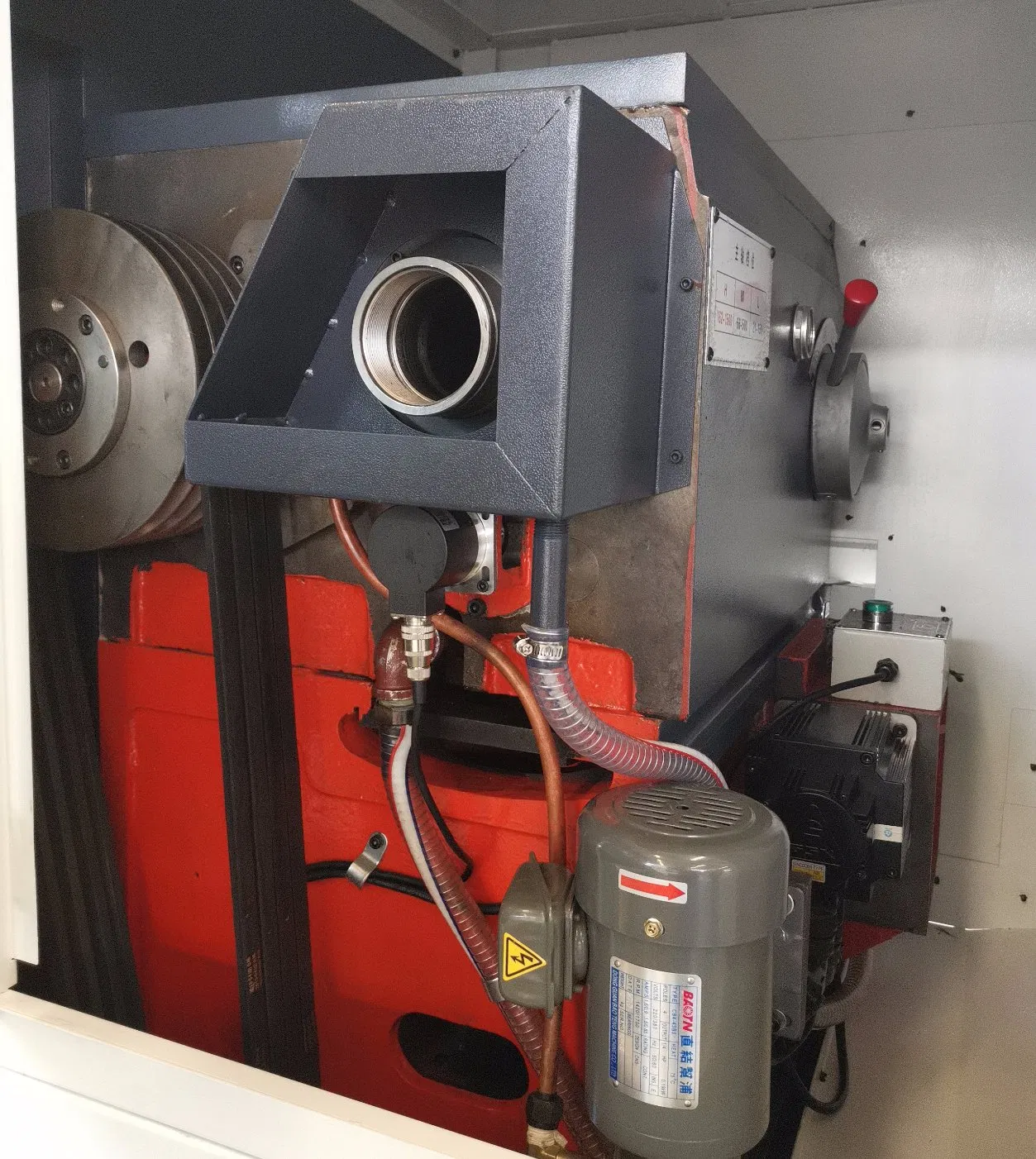
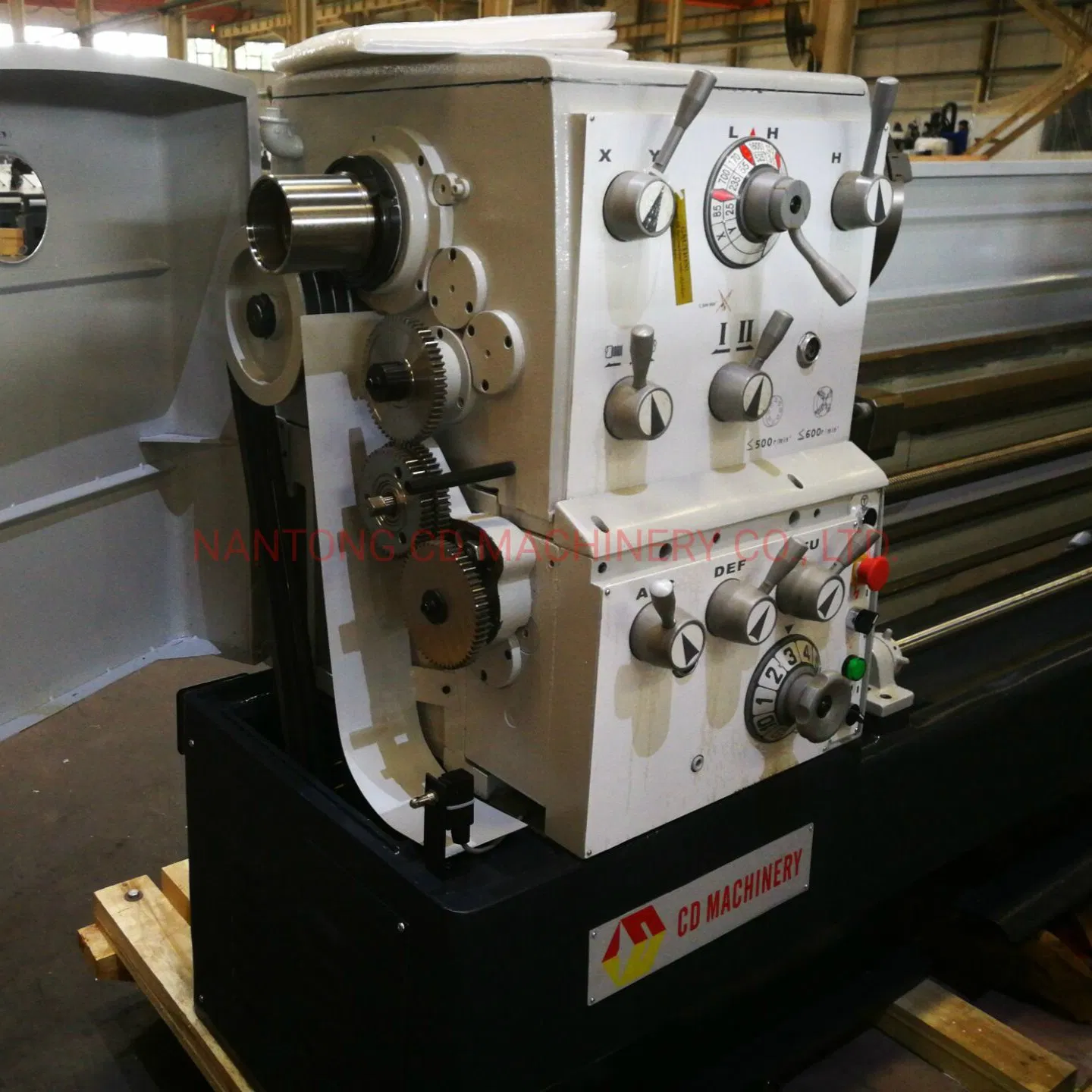
2. **Headstock:** Mounted on the left end of the bed. It houses the main spindle, drive motor, and gearbox responsible for providing power and a range of rotational speeds to the workpiece.
3. **Spindle:** The rotating shaft within the headstock that holds the workpiece using a chuck, faceplate, or collets.
4. **Tailstock:** Located on the right end of the bed, it can be slid along the ways and locked in position. It supports the end of long workpieces with a center and can hold tools for drilling or reaming.
5. **Carriage:** The assembly that moves the cutting tool along the bed. It consists of:
* **Saddle:** Rides along the bed ways.
* **Cross Slide:** Moves the tool perpendicular to the bed axis (inward/outward).
* **Compound Rest:** Mounted on the cross slide, it can be swiveled to any angle for taper turning or precise facing.
* **Tool Post:** Holds the cutting tool bit securely.
6. **Apron:** Hangs from the carriage and contains the mechanisms (gears, clutches) for engaging automatic feeds for the carriage (longitudinal feed) and cross slide (cross feed).
**Essential Lathe Safety Protocols**
Safety is non-negotiable. Before operating any lathe, especially industrial models from processing-machinery.com, adhere to these fundamental rules:
* Always wear approved safety glasses with side shields.
* Never wear loose clothing, gloves, or jewelry; tie back long hair.
* Ensure all guards are in place before starting the machine.
* Secure the workpiece and tooling firmly. Check that the chuck key is removed.
* Select the correct spindle speed and feed rate for the material and operation.
* Never attempt to measure, clean, or adjust the workpiece while the spindle is rotating.
* Stop the lathe completely before making adjustments to the tool post, tailstock, or carriage.
* Use a brush to remove chips, never your hands.
* Keep the work area clean and well-lit.
**Lathe Frequently Asked Questions (FAQ)**
**Q: What is the main difference between a manual lathe and a CNC lathe?**
**A:** A manual lathe requires direct, hands-on control from an operator for all movements of the cutting tool via handwheels and levers. Skill and experience dictate the outcome. A CNC (Computer Numerical Control) lathe is programmed with a set of coded instructions (G-code). Once programmed, the machine executes the operations automatically, moving the tool with servo motors. CNC lathes offer superior consistency for batch production, ability to create complex geometries, and reduced reliance on operator skill for each part, though they require programming knowledge.
**Q: How do I determine the right size lathe for my workshop?**
**A:** Consider two primary dimensions: Swing and Center Distance. The "Swing" is the maximum diameter of workpiece that can rotate over the bed (typically listed as "Swing over bed"). The "Distance Between Centers" is the maximum length of a workpiece you can mount between the headstock and tailstock. At processing-machinery.com, we recommend choosing a machine with a capacity at least 20-25% greater than your largest common workpiece to ensure versatility and avoid operating at the machine's maximum limits.
**Q: What materials can be machined on a standard lathe?**
**A:** A robust industrial lathe like our PM-1440 can machine a wide array of materials. Common metals include mild steel, stainless steel, aluminum, brass, bronze, and cast iron. With proper tooling and speeds/feeds, it can also handle various plastics (e.g., nylon, Delrin, acrylic) and even some wood. The key is using the correct cutting tool geometry (HSS, carbide inserts), appropriate cutting fluid, and selecting the spindle speed (RPM) suitable for the material's hardness and the tool's cutting diameter.
**Q: What is the importance of 'horsepower' in a lathe?**
**A:** Horsepower (HP) indicates the machine's power to remove material. Higher horsepower allows for taking deeper cuts, using wider feeds, and machining harder materials (like steel) efficiently without stalling the spindle. A 1-2 HP machine is suitable for light-duty work on softer materials. For serious metalworking, a 3 HP or higher motor, like those found on processing-machinery.com industrial models, is essential to maintain cutting speed under load, resulting in better surface finishes and longer tool life.
**Q: What are the essential tooling and accessories I need to start?**
**A:** Beyond the lathe itself, you will need a basic set of tooling: A 3-jaw or 4-jaw chuck to hold workpieces, a set of high-speed steel (HSS) or carbide insert tool bits, a tailstock drill chuck and live center, a set of wrenches, and basic measuring tools (calipers, micrometer). For threading, you may need thread-cutting gears or inserts. processing-machinery.com offers comprehensive accessory kits and individual high-quality tooling components compatible with our machines.
**Q: How often does a lathe require maintenance?**
**A:** Regular maintenance is critical for precision and longevity. Daily tasks include cleaning chips and applying a light oil to exposed ways. Weekly, check oil levels in gearboxes and headstock. Monthly, inspect belts for tension and wear, and clean or replace lubrication wicks. Annually, a more thorough inspection of bearings, gib adjustments for backlash, and recalibration of alignment may be performed. Always follow the specific maintenance schedule outlined in the manual provided with your processing-machinery.com lathe.
**Q: Can I cut both metric and imperial threads on the same lathe?**
**A:** Many modern lathes, including our PM-1440, are equipped with a gearbox that allows cutting a wide range of threads by simply changing lever positions. This is known as a "quick-change gearbox." Some older or simpler models may require physically swapping out change gears in the drive train to switch between metric and imperial threading. Always check the machine's specifications for its threading capabilities.
- View as