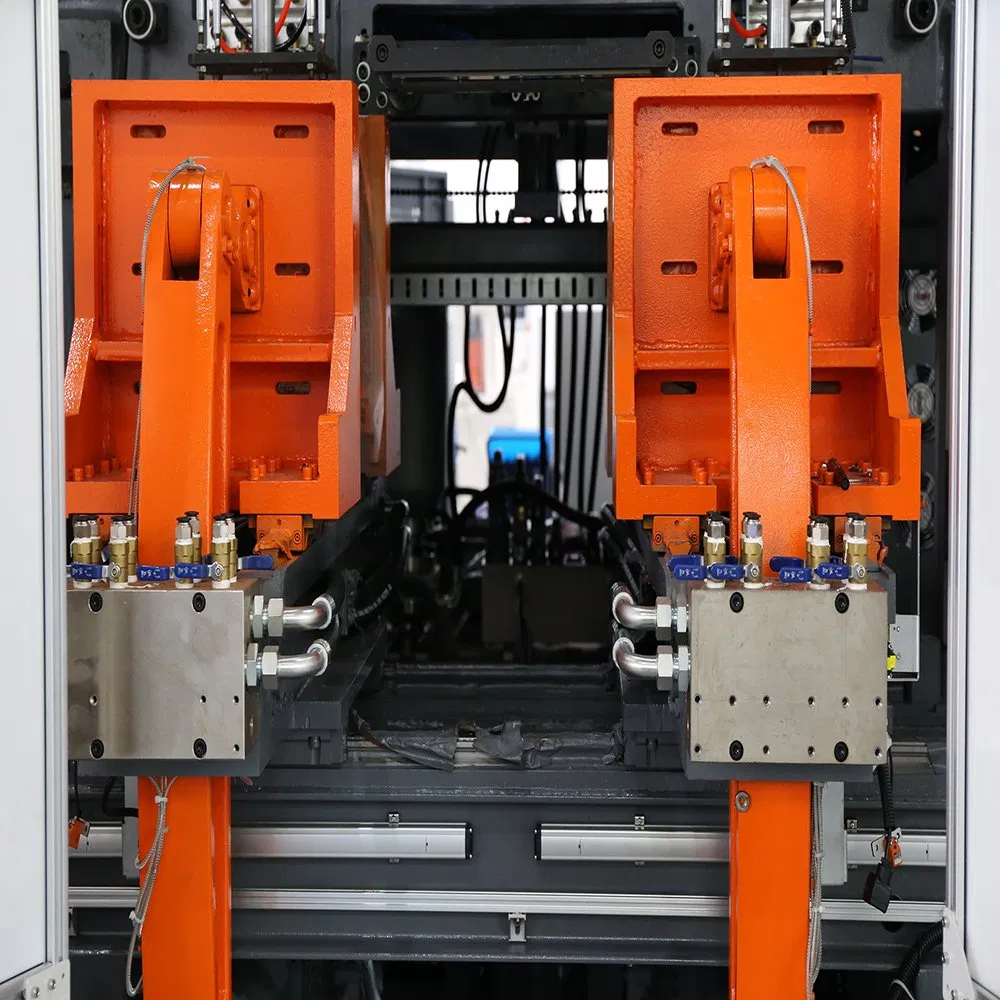
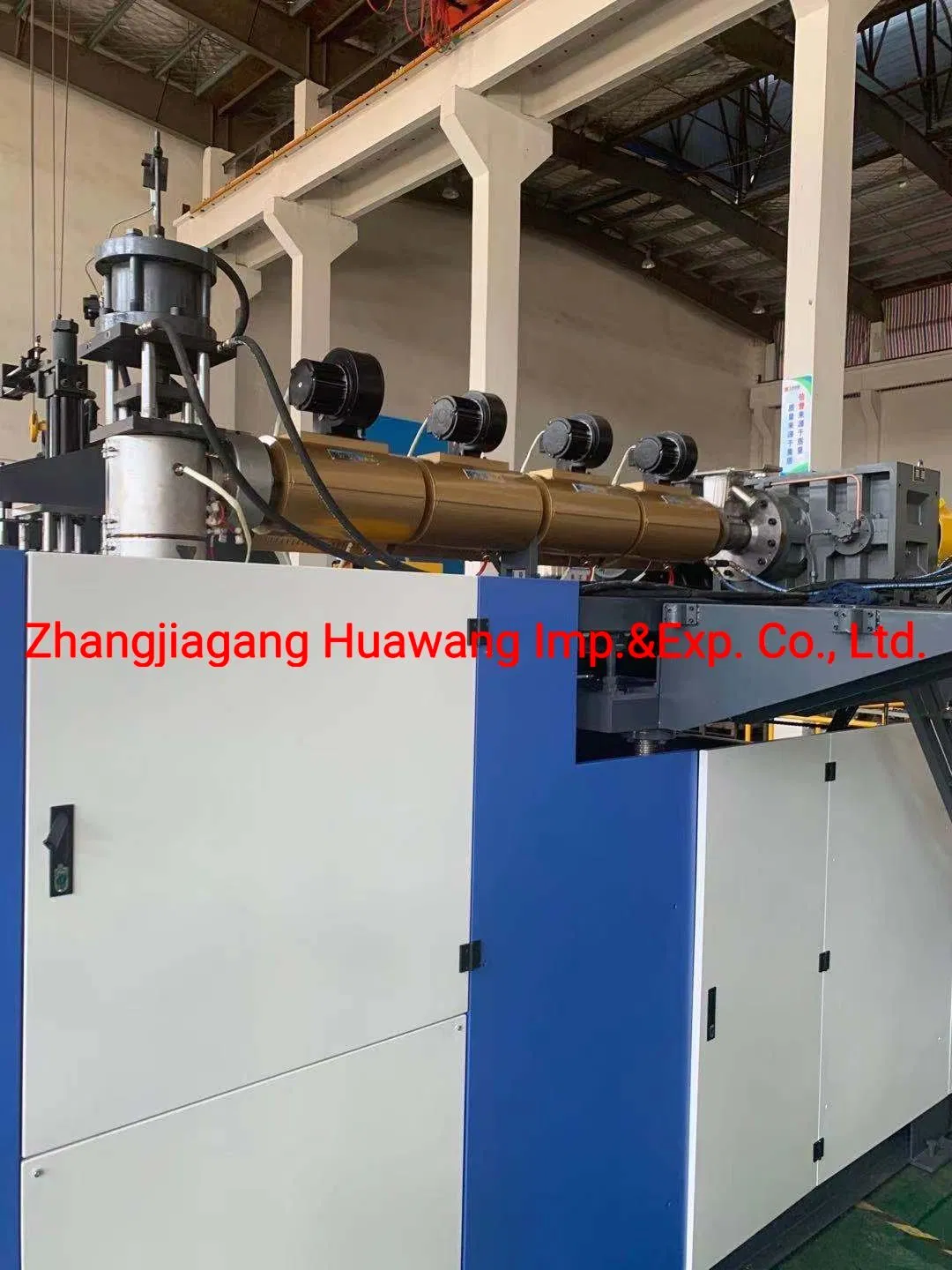
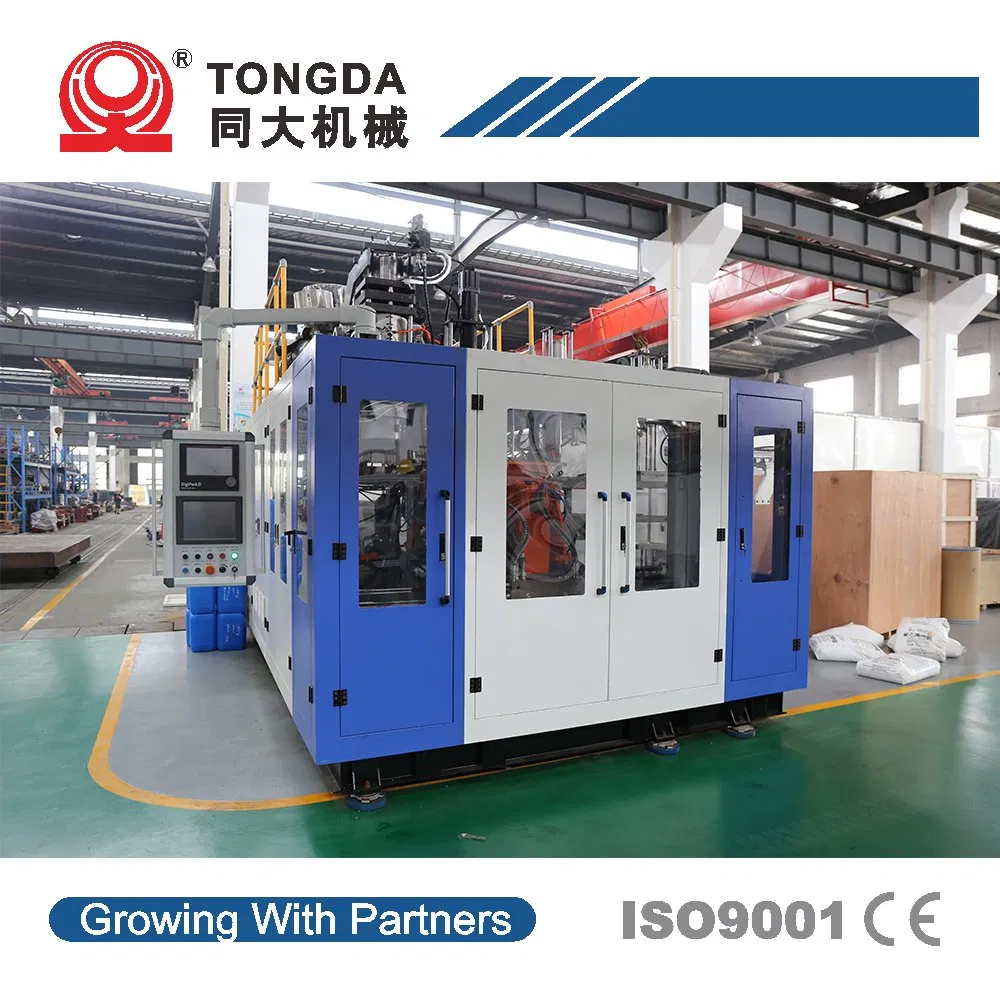
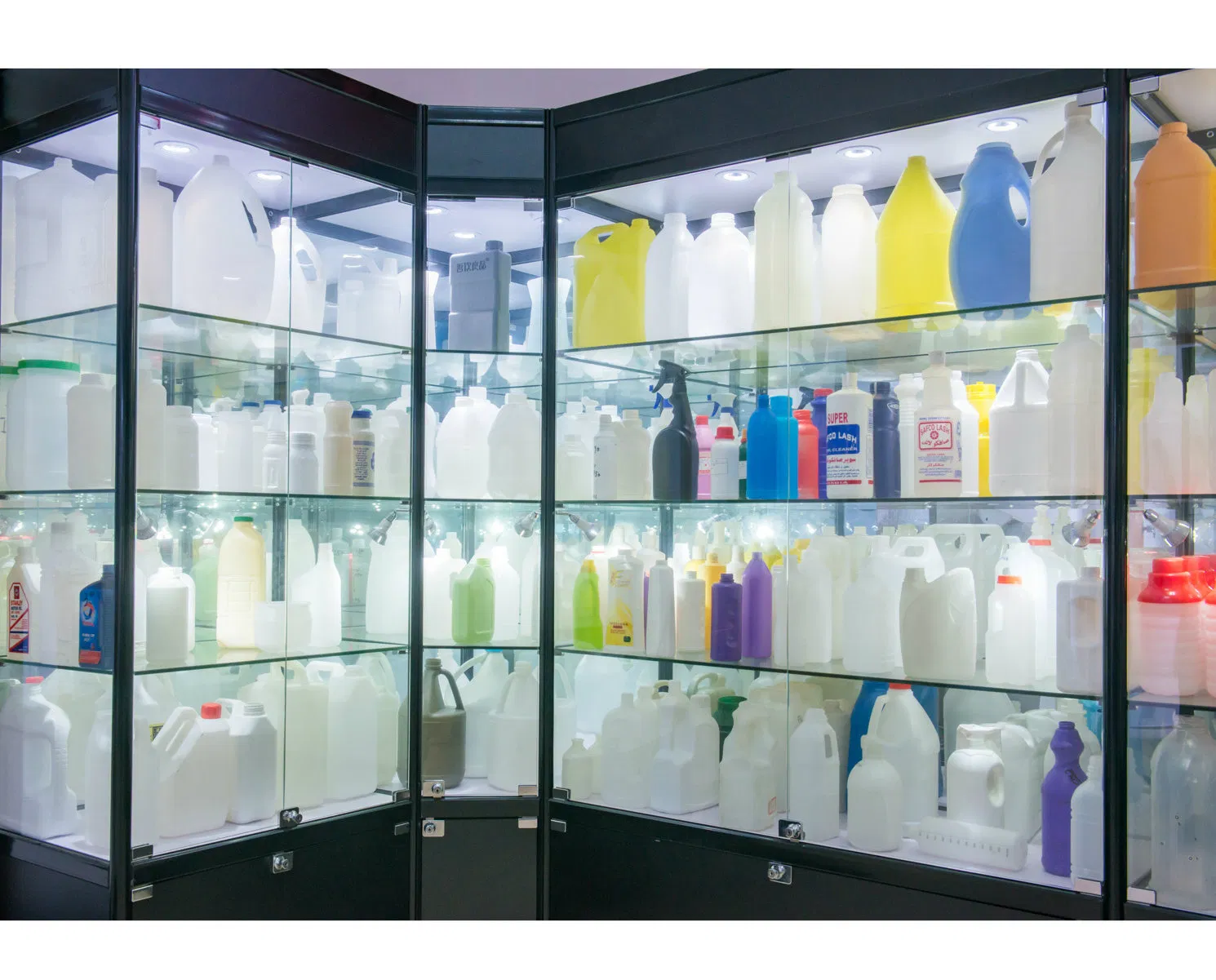
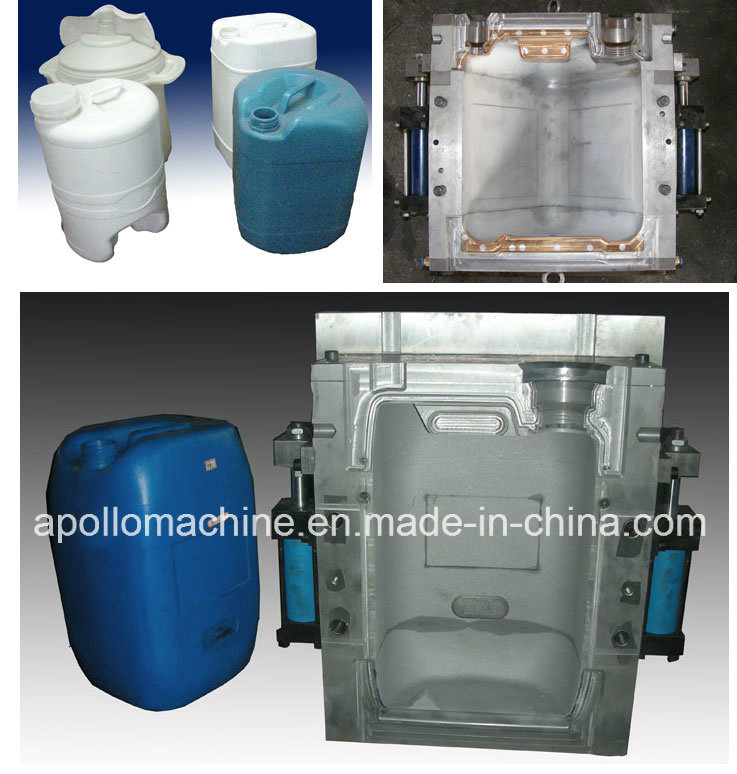
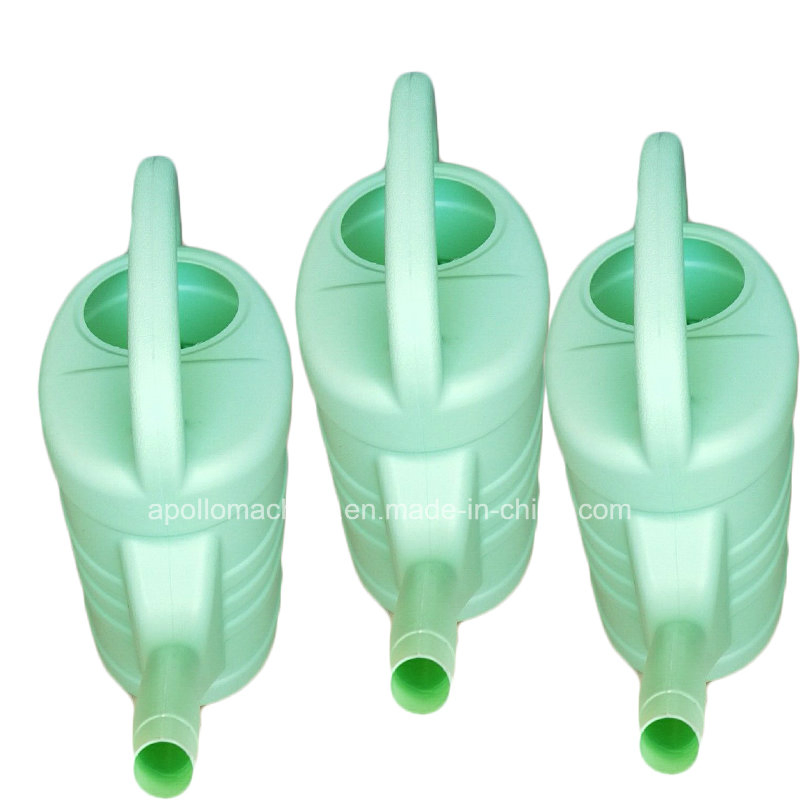
Blow Molding Machine
The Ultimate Guide to Industrial Blow Molding Machines
In the world of plastic manufacturing, efficiency, precision, and reliability are non-negotiable. Central to producing hollow plastic parts—from everyday water bottles to complex automotive fuel tanks—is the Blow Molding Machine. This sophisticated equipment transforms polymer resins into consistent, durable products through a controlled process of melting, forming, and cooling. For manufacturers aiming to scale production, reduce waste, and maintain high-quality standards, investing in the right blow molding technology is a critical strategic decision. At processing-machinery.com, we combine decades of engineering expertise with a deep understanding of market needs to deliver blow molding solutions that drive operational excellence.
The core principle of blow molding involves inflating a heated plastic parison (a tube-like piece of molten plastic) inside a mold cavity. Air pressure pushes the plastic outward to match the mold's contours, creating the desired hollow shape. The industry primarily utilizes three blow molding variants, each suited for specific applications and production volumes:
- Extrusion Blow Molding (EBM): The most common method, ideal for high-volume production of containers and bottles. It continuously extrudes a parison which is then captured by a mold and inflated.
- Injection Blow Molding (IBM): Excellent for producing high-precision, small medical and cosmetic containers. It involves injecting plastic onto a core pin to form a preform, which is then transferred to a blow mold for inflation.
- Stretch Blow Molding (SBM): Primarily used for PET bottles, this process stretches the preform both axially and radially, resulting in superior strength, clarity, and barrier properties.
Choosing the correct blow molding machine requires a detailed analysis of your target product specifications, material requirements, and output goals. The following parameters are fundamental to evaluating any machine's capability and ensuring it aligns with your production line's demands.
Critical Technical Parameters for Blow Molding Machines
Understanding these specifications is key to selecting equipment that delivers optimal performance, energy efficiency, and return on investment.
- Clamping Force: Measured in kilonewtons (kN) or tons, this is the force applied to keep the mold closed during the inflation process. Higher forces are required for larger parts or materials processed at higher pressures.
- Shot Capacity / Output Rate: Indicates the volume of plastic processed per cycle (shot) or the number of finished products produced per hour. This directly correlates to production throughput.
- Mold Size & Daylight: The maximum dimensions of the mold that can be accommodated and the space between the mold platens when open. This determines the maximum size of the part that can be produced.
- Plasticizing Capacity: The rate at which the machine can melt and prepare the raw plastic resin, measured in kilograms per hour (kg/h). This must match or exceed the shot capacity for continuous operation.
- Dry Cycle Time: The minimum time required for one complete machine cycle without material processing. A faster dry cycle enables higher potential production speeds.
- Control System: Modern machines feature PLC (Programmable Logic Controller) with touch-screen HMIs (Human-Machine Interfaces) for precise control over temperature, pressure, timing, and sequence, ensuring repeatability and quality.
Detailed Machine Model Comparison
The table below outlines key specifications for a selection of high-performance blow molding machines available through processing-machinery.com, designed to cater to diverse manufacturing scales.
| Model Series | Type | Clamping Force (kN) | Max. Shot Capacity (L) | Mold Max. Size (mm) | Plasticizing Rate (kg/h) | Typical Application |
|---|---|---|---|---|---|---|
| ProBlow 50-E | Extrusion Blow | 500 | 5.0 | 550 x 500 | 120 | Medium-sized containers, jerrycans |
| ProBlow 120-E | Extrusion Blow | 1,200 | 15.0 | 800 x 700 | 280 | Large industrial drums, barrels |
| PrecisionBlow 25-I | Injection Blow | 350 | 0.25 (preform) | 300 x 300 | 45 | Pharmaceutical vials, precision parts |
| StretchBlow 80-S | Stretch Blow (2-Stage) | 800 | 2.0 (preform) | 600 x 600 | N/A | PET water & beverage bottles |
| HybridBlow 60-H | Injection-Stretch-Blow | 600 | 1.5 (preform) | 500 x 500 | 65 | Wide-mouth jars, cosmetic containers |
Frequently Asked Questions (FAQ) About Blow Molding Machines
Q: What are the main factors that determine the cost of a blow molding machine?
A: The cost is influenced by several key factors: the machine type (EBM is generally more cost-effective for simple containers than complex IBM/SBM systems), clamping force and size capacity, level of automation (manual loading vs. robotic part removal), energy efficiency ratings, brand reputation, and included after-sales support like training and warranty. A machine from processing-machinery.com represents an investment where upfront cost is balanced against long-term reliability, output quality, and total cost of ownership.
Q: Can one blow molding machine process different types of plastic materials?
A: Yes, but with important considerations. Many machines are versatile and can process common polymers like HDPE, LDPE, PP, and PVC. However, switching materials may require adjustments to the temperature profiles, screw/barrel configuration (for extrusion), and mold parameters. Processing engineering-grade resins or PET specifically often requires machines built with compatible components (like special screws and barrels) to handle their specific melting and flow characteristics.
Q: How significant is energy consumption in blow molding operations?
A: Energy consumption is a major operational cost. Modern machines from leading suppliers incorporate significant energy-saving technologies. These include servo-electric drives for precise motor control (reducing hydraulic oil use and heat generation), high-efficiency heaters with proper insulation, and intelligent control systems that optimize cycle times and reduce idle power. Investing in an energy-efficient model from processing-machinery.com can lead to substantial savings over the machine's lifespan.
Q: What kind of maintenance does a blow molding machine require to ensure longevity?
A: Regular preventive maintenance is crucial. A daily checklist includes visual inspections for leaks, checking hydraulic oil levels and temperature, and ensuring air filters are clean. Weekly and monthly tasks involve lubricating moving parts, checking clamp and platen alignment, and verifying heater band and thermocouple function. Annually, a comprehensive inspection of the hydraulic system, screw and barrel wear, and safety interlocks should be performed. Following the manufacturer's maintenance schedule prevents unexpected downtime and extends machine life.
Q: How does the choice of mold affect the final product and production efficiency?
A: The mold is as critical as the machine itself. High-quality molds with efficient cooling channels ensure consistent part wall thickness, good surface finish, and faster cycle times. The number of cavities in the mold directly multiplies output per cycle. Factors like mold material (aluminum for faster cooling, steel for durability), venting design, and surface coatings all impact product quality, production speed, and maintenance frequency. A well-designed mold, often sourced or recommended through your machine provider, maximizes the return on your equipment investment.
Q: What support and training can we expect when purchasing a new blow molding machine?
A: Comprehensive support is essential for a successful launch. At processing-machinery.com, our standard package includes detailed installation supervision by our engineers, on-site operational training for your technicians covering machine control, routine maintenance, and basic troubleshooting, and a thorough review of optimal processing parameters for your specific materials. We also provide clear documentation, access to spare parts, and remote technical assistance to ensure your production line achieves peak performance quickly and sustainably.
Advanced Features in Modern Blow Molding Equipment
The evolution of blow molding technology focuses on greater precision, automation, and data integration. State-of-the-art machines now boast features that were once considered optional but are now central to competitive manufacturing.
- Parison Programming: Advanced wall thickness control systems allow for precise programming of the parison as it is extruded. This ensures optimal material distribution in the final product, reducing weight and material cost while maintaining strength.
- Integrated Vision Inspection Systems: In-line cameras and sensors automatically detect defects like incomplete blowing, surface flaws, or dimensional inaccuracies, rejecting faulty parts without stopping the production line.
- Industry 4.0 Connectivity: Machines equipped with IoT capabilities enable real-time monitoring of OEE (Overall Equipment Effectiveness), energy usage, and production data. This allows for predictive maintenance, remote diagnostics, and seamless integration into smart factory networks.
- Co-extrusion Capabilities: For applications requiring advanced barrier properties (e.g., fuel tanks, food packaging), machines can co-extrude multiple layers of different materials simultaneously into a single parison.
Navigating the complexities of blow molding technology requires a partner with proven expertise and a robust product portfolio. The team at processing-machinery.com is dedicated to providing not just machinery, but tailored solutions that enhance your manufacturing capabilities, backed by unparalleled technical support and industry knowledge.
- View as