China Flood Control Ton Bags for Durable Emergency Flood Barriers
2026-11-16
As extreme weather events become more frequent, the race to protect homes and infrastructure from sudden flooding has never been more urgent. Among the many tools available, China flood control ton bags stand out for their rugged durability and quick deployment in emergency scenarios. But not all barriers are built equal—especially when minutes matter. That’s where Jianghe Flood Prevention brings a level of engineering and field-tested reliability that changes what communities can expect from a simple ton bag. In this post, we’ll explore why these heavy-duty bags are becoming the go-to choice for flood response teams and how they hold up when the water really starts to rise.
When Floodwater Hits, the Fabric of the Bag Matters More Than You Think
Most people fixate on how much water they think a bag can hold, but the real question is whether the fabric can stop floodwater from soaking through in the first place. Untreated canvas or basic nylon might shrug off a drizzle, yet once water rises past the ankles, capillary action pulls moisture into every seam and stitch. A dense, coated ripstop with a high hydrostatic head is what keeps its shape and keeps contents dry; cheap mesh panels or unsealed zippers become sieves under pressure.
The difference shows up fast in moving floodwater. Thin packcloth wets out in minutes, and once the face fabric is saturated, the bag gains weight and loses any chance of drying on the go. Laminated fabrics or heavy-duty TPU-backed materials shed water instead of absorbing it, so the bag isn't fighting its own weight while you're wading out. Even better are bags with welded seams rather than stitched ones—stitching punches thousands of tiny holes that floodwater finds without effort.
Before you trust a bag in a flood, check what's hidden under the outer layer. A waterproof coating that flakes off after a season is no better than a cotton tote. Look for fabrics rated for submersion or at least prolonged exposure, and test the zippers and roll-top closures with a hose before you need them. In floodwater, the fabric isn't just a detail; it's the line between a dry phone and a brick in your pack.
Stacking Tricks That Turn Loose Ton Bags Into a Solid Wall
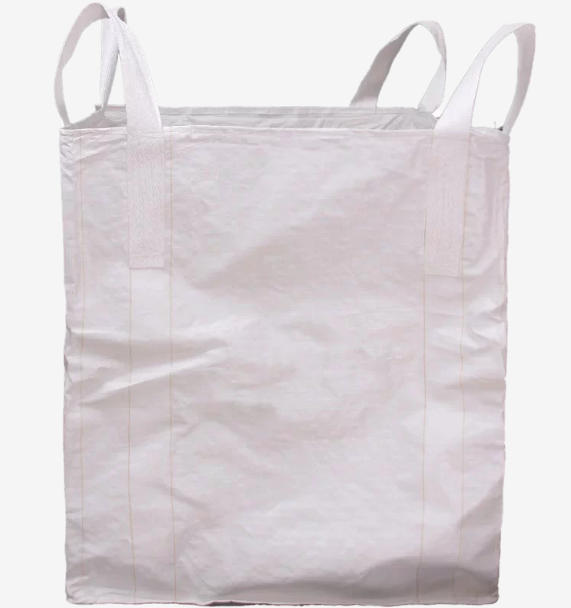
The real secret to a rock-solid ton bag wall isn't brute force—it's in the way you seat each bag before the next one goes on top. Spend an extra minute shaking the bag by its lifting loops after you set it down, letting the contents settle into the corners and flatten the base. A bag that bulges at the belly will lean outward under pressure, so use a wide plank or a gloved hand to push the sides inward and create a slight reverse taper before you add the next layer.
Stagger the vertical seams like bricks. When every bag sits directly above the one below, you create long vertical joints that can open under shifting weight. Offset each layer by half a bag length wherever possible, and tuck the loose flap of the top bag down into the gap between the two lower bags. This locks the rows together and stops side movement even when the stack is bumped by a loader or uneven ground settles.
For the top layers, reverse the fill direction if you can. Bags are usually heaviest at the bottom because material packs down during filling and transport. Flipping alternate bags end over end puts the denser, wider base on top, which presses down evenly and reduces top-heavy wobble. Cap the wall with a row of partially filled bags laid flat, and cinch their straps to the layer below with short textile slings. That last detail turns a loose pile into something that actually resists leaning.
UV Exposure, Abrasion, and Other Enemies of Flood Barriers
Flood barriers are constantly subjected to ultraviolet radiation, especially in regions with intense sunlight. Over time, UV exposure breaks down the polymer chains in many barrier materials, causing them to become brittle, fade, and lose flexibility. This degradation can go unnoticed until a flood event reveals cracks or tears that compromise the barrier's integrity. To combat this, manufacturers often add UV stabilizers or apply protective coatings, but regular inspection of exposed surfaces remains essential for early detection of damage.
Abrasion is another silent threat, particularly for barriers deployed in areas with high foot traffic, vehicular movement, or wind-blown debris. Repeated rubbing against rough surfaces can wear away outer layers, exposing inner reinforcement or weakening seams. Even small abrasions can grow into larger failures under water pressure. Choosing barriers with reinforced wear strips or sacrificial outer layers—and avoiding dragging barriers across asphalt or gravel—can significantly extend their service life.
Beyond UV and abrasion, flood barriers face a host of other environmental enemies: saltwater corrosion for metal components, mold and mildew in humid climates, chemical spills from urban runoff, and even rodents or insects that may nest in stored barriers. Each factor demands specific preventive measures, from rinsing barriers with fresh water after salt exposure to storing them in sealed containers. A proactive maintenance schedule that accounts for these varied threats is often the difference between a barrier that lasts a decade and one that fails when it is needed most.
Why a Ton Bag Often Outperforms a Line of Sandbags in an Emergency
A single ton bag holds roughly the same material as dozens of traditional sandbags, but the real advantage is how it behaves under pressure. Instead of creating a stack of small, shifting units that can break apart when water pushes through gaps, a ton bag forms one heavy, low-profile mass that settles into place. That means fewer weak points and less time spent arranging individual bags while water is rising.
Placement speed also changes what a small crew can accomplish. A loader or excavator can drop a ton bag in seconds, whereas building a sandbag wall of comparable volume might take hours and many hands. In emergencies where access roads are washing out or a levee is about to overtop, that time difference is often the deciding factor between a controlled bypass and a full breach.
There are still cases where sandbags make sense, especially for tight corners or reinforcing doorways, but for rapid volume and anchoring power, ton bags tend to win. They are less likely to be undermined, easier to stack in staggered layers, and can be reused or emptied when the situation stabilizes.
The Logistics of Moving and Filling Bulk Flood Barriers Fast
Getting bulk flood barriers from storage to a threatened site rarely allows the luxury of a relaxed schedule. Crews often stage units on flatbed trailers or drop-deck trucks near likely breach points, keeping them banded to pallets so a forklift or telehandler can offload without wasting time. Empty barriers are awkward and deceptively heavy when folded, so moving them across mud or sloped ground calls for spreader bars, low-ground-pressure loaders, or simply more hands than expected.
Filling speed depends on matching pump capacity to barrier design. Water-filled models need high-volume trash pumps drawing from the floodwater itself, but intakes must be screened and placed where debris won't clog impellers. Sand- or aggregate-filled barriers are slower and more labor-intensive; a skid steer with a hopper attachment can cut fill time dramatically, though someone still has to close valve openings and verify each cell is packed tight enough to resist current. Having spare hoses, camlocks, and quick-connect fittings staged nearby prevents a single missing adapter from stalling the whole operation.
Fast deployment also means planning the fill sequence before water arrives. Start at the lowest point or the end that will take the most hydraulic pressure, not simply at the most convenient access point. Mark each barrier segment with its intended location and orientation so volunteers or contract crews don't waste minutes flipping units around. A brief radio check between the pump operator, equipment driver, and fill crew can reveal mismatched threads or insufficient fuel before the barrier is half-deployed, which is far cheaper than discovering the problem as floodwater overtops the line.
What Experienced Crews Look for in a Reliable Flood Control Ton Bag
Experienced crews don't start by reading the spec sheet. They grab the lifting loops and give them a hard yank, checking for stitching that bites into the fabric instead of sitting on top. A bag that's going to survive a sloppy crane operator or a rushed forklift driver needs double-stitched, reinforced loops that run deep under the bag, not just tacked at the seams. If the loop twists or the thread looks glossy and brittle, it gets rejected before the first grain of sand goes in.
Then they look at the fabric itself. The best flood control ton bags use a coated or laminated polypropylene that feels slightly rough to the touch, not slick like a cheap tarp. That texture holds sand and dirt in place during stacking and keeps the bag from sliding when water pressure builds. Crews will also fold a corner hard and rub it between their fingers. If it crackles like cellophane or leaves a powdery residue, the UV stabilizer is under-dosed and the bag will start shredding after a few weeks in the sun.
A reliable bag also has a fill spout that doesn't fight the crew and a discharge spout that closes without a knife. The top needs to open wide enough for a front-end loader bucket, or have a spout that can be tied off quickly without extra rope. A narrow fill neck slows everything down and forces overfilling from the corners. For emergency work, they want a bag that one person can handle when empty but that holds its shape once filled, without bulging at the side seams.
FAQ
Think of it as a heavy-duty, woven polypropylene sack that gets filled with sand or soil on site. The "ton" refers to how much it can hold when filled—usually around 1,000 to 1,500 kilograms. Once filled, the bags stack tightly to create a water-resistant barrier.
Ordinary sandbags are small and require a lot of manual labor to fill and stack. Ton bags are much larger, so a single bag can replace dozens of traditional sandbags. They usually have lifting loops for crane or forklift handling, which speeds up deployment considerably.
Most are made from UV-stabilized woven polypropylene, which resists tearing, rot, and sun damage. The fabric is coated or laminated in many cases, so water doesn't quickly degrade the bag. Double-stitched seams and reinforced lifting straps also help them survive rough handling.
Yes, if they haven't been contaminated by sewage or chemicals. After the water recedes, you can empty them, rinse off mud, and let them dry fully before storing. Some municipalities do this, but it depends on local safety rules. Bags exposed to oil or hazardous waste should be disposed of.
The fastest method is to hang an empty bag under a hopper or use a loader to dump sand directly into the top opening. Many bags have a fill spout or wide-open top. Once filled, you close the top and use the four lifting loops to move it with a backhoe or crane. Place them in a staggered pattern like bricks to reduce gaps.
Sizes range from about 90 cm × 90 cm × 90 cm to larger 100 cm × 100 cm × 120 cm models. For a residential driveway, a smaller bag might be enough. For a riverbank or construction site, larger bags with higher weight capacity make more sense. Check the safe working load before ordering.
Yes, but they need occasional inspection. UV-stabilized fabric lasts several years outdoors, but sunlight gradually weakens all synthetics. If you're building a semi-permanent wall, consider covering the bags with a tarp or placing them in shaded areas. Also check for rodent damage.
Conclusion
When floodwater rises, the real test of a ton bag isn't just its capacity—it's how the woven polypropylene holds up under sustained pressure, sharp debris, and rapid currents. Experienced crews know that a bag with tight, UV-stabilized fabric resists tearing far better than cheaper, loosely woven alternatives. But even the best material fails if stacked wrong: overlapping seams and staggering rows create a friction lock that turns loose bags into a solid, watertight wall, while a simple pyramid stack leaves gaps for leaks. Sun exposure and rough handling are silent killers too; a bag left outdoors for weeks loses tensile strength before it ever touches water, so storage rotation and abrasion-resistant coatings matter as much as the fill itself.
In a fast-moving emergency, ton bags routinely outperform lines of sandbags because one filled bag can replace dozens of smaller ones, cutting both labor time and the number of weak points in a barrier. The logistics win is just as critical: pre-positioned empty bags, a loader with a clamshell bucket, and a clear fill site let a small crew deploy a hundred meters of protection in hours, not days. What separates reliable flood control ton bags from generic bulk bags, though, is in the details—reinforced lifting loops that don't rip under a crane, double-stitched corners, and a fabric weave dense enough to stop silt but open enough to drain. Teams that have seen failures look for bags that arrive dry, stack flat, and hold their shape after repeated loading, because in flood response, the bag that survives the first surge is the one you trust for the next.
Contact Us
Contact Person: Kristin Zhang
Email: [email protected]
Tel/WhatsApp: +8615366239752
Website: https://www.jianghecn.com/