Functional Masterbatch: How to Pick the Right One for Your Application
2026-08-12
Choosing the right functional masterbatch can make or break your product's performance, yet with countless options available, the selection process often feels overwhelming. Functional masterbatches enhance plastics with critical properties like UV resistance, flame retardancy, or antimicrobial effects, but the wrong choice leads to wasted resources and subpar results. So how do you navigate this complex landscape? At Xinwancai, we understand the challenges manufacturers face and provide tailored solutions to match your exact application needs. In this guide, we'll break down the key factors to consider, ensuring you pick the perfect masterbatch every time. Dive in to discover how to simplify your decision and elevate your products.
Define Your Product’s End-Use Environment
Too many design teams jump straight into feature lists and material choices without anchoring their decisions in reality. The first question worth sitting with isn’t “what can this thing do?” but “where does it actually live?” Start by painting a brutally honest picture of the day-to-day conditions your product will face. Is it going to bake on a dashboard in Arizona, rattle around in a contractor’s toolbox, or sit in a climate-controlled hospital room? Don’t just list the obvious stuff—temperature and humidity—but think about the less glamorous realities: the abrasive dust on a factory floor, the UV assault on outdoor gear, the cleaning chemicals a medical device will endure every night. If you skip this step, you’re designing in a vacuum, and reality has a way of finding the cracks you left open.
Once you’ve mapped the physical landscape, dig into the human environment. How are people actually going to interact with the thing when they’re tired, distracted, or in a rush? That rugged outdoor equipment might need to be operable with numb fingers in a snowstorm; a piece of lab gear could get kicked under a bench and need to survive a fall without leaking something dangerous. Watch users in their native habitat—not in a staged usability lab. You’ll spot the workarounds, the abuse, and the accidental misuse that no spec sheet ever captures. Let those observations stretch your environmental envelope beyond the textbook definitions of shock, vibration, and ingress protection.
Finally, put your ego aside and lean into the constraints. A lot of teams treat end-use requirements as obstacles that stifle creativity, but they’re actually the guardrails that keep your concept from veering into fantasy. When you genuinely understand the environment, those constraints become a scoring rubric for every material, fastener, and coating you consider. That doesn’t mean you’ll get it perfect on the first try—you’ll still need to test, break things, and iterate. But when a design survives its first monsoon season or a thousand cycles in a dusty chamber, you’ll know you didn’t just build a product. You built it for where it belongs.
Match the Masterbatch Chemistry to Your Base Polymer
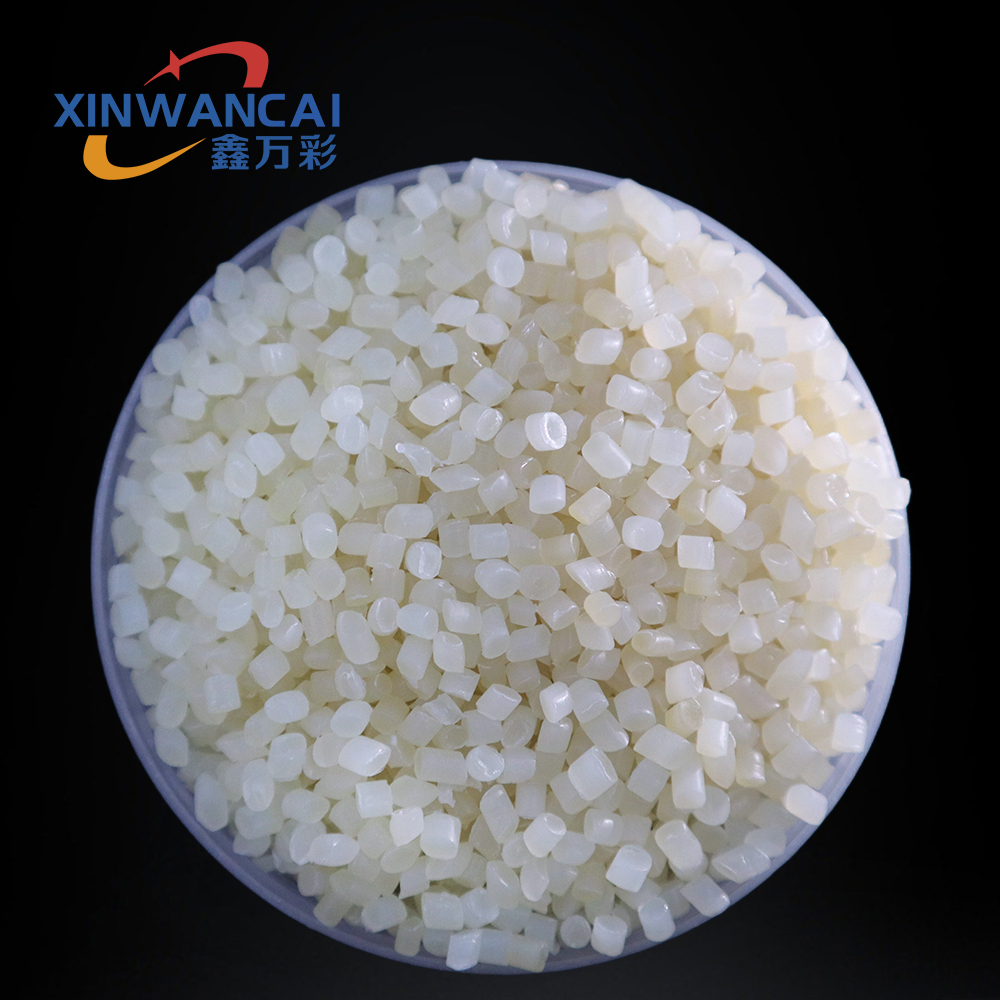
Selecting a masterbatch isn’t just about color—it’s about compatibility. The carrier resin in the masterbatch must blend seamlessly with your base polymer to avoid issues like delamination or poor dispersion. For polyolefins like polyethylene and polypropylene, a PE- or PP-based masterbatch works naturally. But when you step into engineering resins such as polycarbonate or nylon, the chemistry becomes more critical. A mismatched carrier can cause brittleness or surface defects, so always align the masterbatch’s polymer backbone with that of your main material.
Beyond the carrier, additives in the masterbatch may react differently depending on your base resin. For instance, heat stabilizers optimized for PVC won’t perform the same in PET. If you’re working with polar polymers like ABS or polyurethane, choose masterbatches designed with compatible polar carriers to maintain mechanical integrity. Testing small batches first is a practical approach—look for uniform color, consistent melt flow, and no signs of phase separation. This extra step saves time and material when scaling up.
Don’t overlook processing conditions either. A masterbatch that disperses beautifully in injection-molded HDPE might clump or streak in blown film LDPE due to differences in melt viscosity and shear. The key is to match not just the polymer type but also the grade and intended fabrication method. Suppliers often provide guidance, but your own trials will reveal the best fit for your unique setup. Ultimately, the right chemical marriage between masterbatch and base polymer leads to vibrant, durable parts without hidden compromises.
Evaluate Performance Additives for Longevity
Understanding how additives influence long-term durability goes far beyond initial bench tests. It’s not just about picking the one with the highest flashy spec; real longevity is revealed through how these compounds behave under sustained thermal stress, cyclic loading, and exposure to environmental contaminants. You need to dig into what happens after thousands of hours—does the additive deplete unevenly, form sludge, or perhaps protect surfaces then suddenly fail? A useful approach is to set up paired testing: identical formulations with and without the candidate additive, subjected to the same aggressive aging protocol. Then compare not only the final physical properties but also the degradation curve shape. A gradual, predictable decline is often preferable to a late-stage abrupt breakdown, which is a pattern some additives accidentally provoke.
Field data, when available, tells a sharper story than any lab simulation. Look for evidence from sealed systems, teardown analyses, or even adjacent industries using similar base chemistries. Pay attention to synergistic or antagonistic interactions—sometimes two additives meant to boost different properties will quietly cancel each other’s long-term effect. Don’t rely solely on the supplier’s own endurance claims. Instead, build a matrix that weights performance across multiple aging regimes: oxidation, shear degradation, corrosion cycles, and deposit formation. That kind of cross-referenced evaluation naturally highlights which additives genuinely extend the component’s functional life rather than just masking early symptoms.
Consider Processing Conditions and Equipment Compatibility
The entire formulation can fall apart if the chosen emulsifier or stabilizer can't handle the heat, shear, or pH swings of your production line. A cold-process emulsifier might seem convenient, but if your next step involves high-temperature pasteurization, you'll end up with separation and wasted batches. It's not just about whether the ingredient 'works' on paper—it has to survive your specific mixing speeds, hold times, and any aggressive thermal cycling. Pay attention to viscosity changes under continuous shear; some polymers break down permanently after minutes in a high-shear mixer, while others thrive.
Compatibility with pumps, fillers, and packaging equipment is equally critical but often ignored until scale-up. Systems that aerate easily can mess with volumetric filling accuracy, forcing you to slow down the line or invest in deaeration. Certain thickeners may string or rope during discharge, creating cleanup nightmares and inconsistent fill weights. Always test candidate ingredients in a pilot setup that mimics your actual equipment, not just a benchtop beaker. Even the material of your pipes and tanks matters—stainless steel, plastic, or glass-lined vessels can interact differently with ionic additives or preservatives, altering long-term stability.
Don't assume that because an ingredient is labeled 'standard' it will slot into your process without fine-tuning. Variations in cooling rates, jacket temperature, and ambient humidity during holding or curing steps can shift the texture or even the activity of encapsulated actives. Building a small-scale simulation that reproduces your real-world bottlenecks—like a hot filling step or an in-line homogenizer—can prevent expensive surprises. In the end, the best formula is the one that performs just as reliably at 2 a.m. on a Tuesday as it does in the lab.
Look Beyond Price: The True Cost of Quality
When you’re tempted by a bargain, it’s easy to overlook what you’re really paying for. That cheap gadget might save you $20 today, but if it fails in six months, the replacement cost—and the frustration—quickly outweigh the initial savings. Quality isn’t just about lasting longer; it’s about reliability when you need it most.
Think about the things you use every day. A well-made tool or appliance not only performs better but also feels right in your hand. It’s the difference between a chair that wobbles after a month and one that becomes more comfortable with age. The true cost of quality is felt in those small moments of satisfaction, not just in your wallet.
Beyond durability, quality often means better support. Products built to last usually come with warranties that reflect the manufacturer’s confidence. Meanwhile, cheaper alternatives may leave you stranded when something goes wrong. In the end, investing in quality saves time, money, and a lot of headaches.
Partner with a Supplier That Understands Your Vision
Finding a supplier who truly gets what you’re aiming for can feel like searching for a needle in a haystack. It’s not just about ticking boxes on a spec sheet; it’s about connecting with someone who sees the bigger picture behind your project. When a supplier aligns with your vision, every conversation becomes a creative collaboration rather than a transaction. They anticipate challenges before they arise and propose solutions that enhance your original idea, not dilute it.
We’ve learned that deep understanding comes from listening intently and asking the right questions. Instead of pushing a one-size-fits-all approach, we immerse ourselves in your world—the aesthetic you’re chasing, the problems you’re trying to solve, and the impression you want to leave on your customers. This means we can recommend materials, finishes, and production techniques that actually fit your narrative, rather than just our bottom line.
The result is a partnership where your vision stays intact from prototype to final product. You’re not constantly chasing clarifications or fixing miscommunications; you’re refining excellence together. When a supplier understands not only what you make but why you make it, the entire process becomes smoother, faster, and far more rewarding.
FAQ
A functional masterbatch is a concentrated mixture of additives encapsulated in a carrier resin, designed to impart specific performance properties—like UV resistance, flame retardancy, or antimicrobial effects—to the final plastic product. Unlike color masterbatch that purely adds color, functional masterbatch modifies the polymer's physical or chemical behavior without necessarily changing its appearance.
Start by mapping out the end-use conditions: exposure to sunlight, flame risks, mechanical stress, or hygiene requirements. For outdoor furniture, UV stabilizers are key; for electronics enclosures, a flame retardant is non-negotiable. Aligning the additive function with the product’s real-world demands ensures you never over- or under-engineer the material.
The carrier resin acts as a bridge between the additive package and your base polymer. If the carrier doesn't melt and blend seamlessly with your host material, you'll see dispersion defects, delamination, or reduced mechanical properties. Always match the carrier to your primary plastic—LLDPE for polyethylene films, for instance, maintains clarity and strength.
Yes, you can combine them, but you must check for antagonistic interactions—some flame retardants can degrade UV stabilizers, for example. Pre-test a small batch to confirm that combined additives don't cancel each other out. Working with a supplier who understands synergies can prevent performance drop-offs later.
Loading level is the percentage of masterbatch added to the base resin. It determines how much active ingredient ends up in the final part. Too little, and the function fails; too much, and you waste money or risk process issues like screw slippage. The supplier's recommended dosage range is a starting point, but always validate it with your own trials on actual production machinery.
Accelerated weathering, flammability tests, tensile strength analysis—these standardized methods give hard data. But don't skip real-world simulations: leave a trial part out in the sun for three months or run it through repeated laundry cycles. Lab tests predict, but field tests confirm. Ideally, ask the supplier for third-party certifications that match your industry standards.
Off-the-shelf grades work for common needs and smaller volumes, offering speed and lower minimum order quantities. Custom formulations shine when you have precise specifications—a unique base polymer, an unusual additive combination, or a tight processing window. While custom batches take longer to develop, they often yield cost savings through optimized loading levels and fewer rejects.
Residence time, temperature profile, and shear all influence additive distribution and potential degradation. Overheating can decompose heat-sensitive flame retardants; insufficient mixing leaves additive-rich hotspots. Adjust your extruder settings to match the masterbatch's recommended processing window, and verify consistent dispersion by inspecting cross-sections or testing multiple points on the final part.
Conclusion
Choosing a functional masterbatch is rarely about following a simple checklist. It begins with envisioning your product's real-world journey—will it sit under relentless UV rays, face chemical splashes, or endure frequent abrasion? That end-use picture shapes every decision. From there, the chemistry must align: a masterbatch that meshes perfectly with your base polymer prevents delamination and weak spots, while the right performance additives lock in durability. Anti-oxidants, light stabilizers, or flame retardants aren't just add-ins; they're the guardians of longevity, quietly extending service life when chosen with precision.
On the production floor, the story deepens. A fantastic formulation means little if it fights your extruder's screw design or degrades under heat she has never been designed to meet. Processing compatibility is non-negotiable. Then there is the cost narrative—wise engineers know that a cheap masterbatch can hemorrhage money through downtime, rejects, and premature field failures. True value hides in consistency and yield. Finally, the supplier relationship: find a partner who asks about your vision, not just your order volume. Their insight turns a transactional purchase into a competitive edge, ensuring the masterbatch evolves with your ambitions rather than merely filling today's drum.
Contact Us
Contact Person: JACK
Email: [email protected]
Tel/WhatsApp: 86 18650130917
Website: https://www.xinwancai.com/