High-Quality China Q235 Steel Plate: Durable Q235 Manufacturer Solutions
2026-04-21
In the world of construction and manufacturing, the demand for reliable, high-quality materials is paramount. Among these, Q235 steel plate stands out for its durability and versatility, making it a staple in various industries. At the heart of China's steel production, applications from bridges to machinery rely on this robust material for strength and longevity. If you're exploring durable Q235 manufacturer solutions, you've landed at the right place. This blog delves into the specifics of high-quality China Q235 steel plate, with a focus on how Sanhe Steel excels in delivering top-tier products. We'll uncover what sets their offerings apart, ensuring you make informed choices for your projects. Stay tuned to learn more about the innovation and expertise behind these solutions, and why many turn to Sanhe Steel for their steel needs.
Discover the Strength of Q235 Steel: A Versatile Construction Material
Q235 steel, often celebrated for its robust mechanical properties, stands out as a cornerstone in the construction industry, prized for its excellent yield strength and tensile capabilities. This carbon structural steel alloy, typically containing around 0.2% carbon, offers a balanced blend of durability and flexibility, making it ideal for a wide range of structural applications, from building frames to bridges and machinery components. Its reliable performance under stress ensures that structures maintain integrity over time, contributing to safer and more resilient built environments.
Beyond its sheer strength, Q235 steel's versatility shines through its adaptability to various fabrication techniques, such as welding, cutting, and bending, which allows for innovative and efficient design implementations without compromising safety. This material's compatibility with different environmental conditions and coatings further enhances its appeal, enabling its use in diverse settings from industrial complexes to residential projects. As a result, Q235 has become a go-to choice for engineers and architects seeking a dependable material that can be tailored to specific project needs while adhering to strict quality standards.
In an era where sustainability and cost-effectiveness are paramount, Q235 steel continues to prove its value by offering a long-lasting solution that minimizes maintenance requirements and extends the lifespan of constructions. Its widespread availability and competitive pricing make it accessible for projects of all scales, fueling its reputation as a versatile workhorse in the global construction landscape. By leveraging its inherent strength and flexibility, developers can achieve both aesthetic and functional goals, solidifying Q235's role as a fundamental building block in modern engineering endeavors.
Durability and Reliability: Key Features of High-Grade Q235 Plates
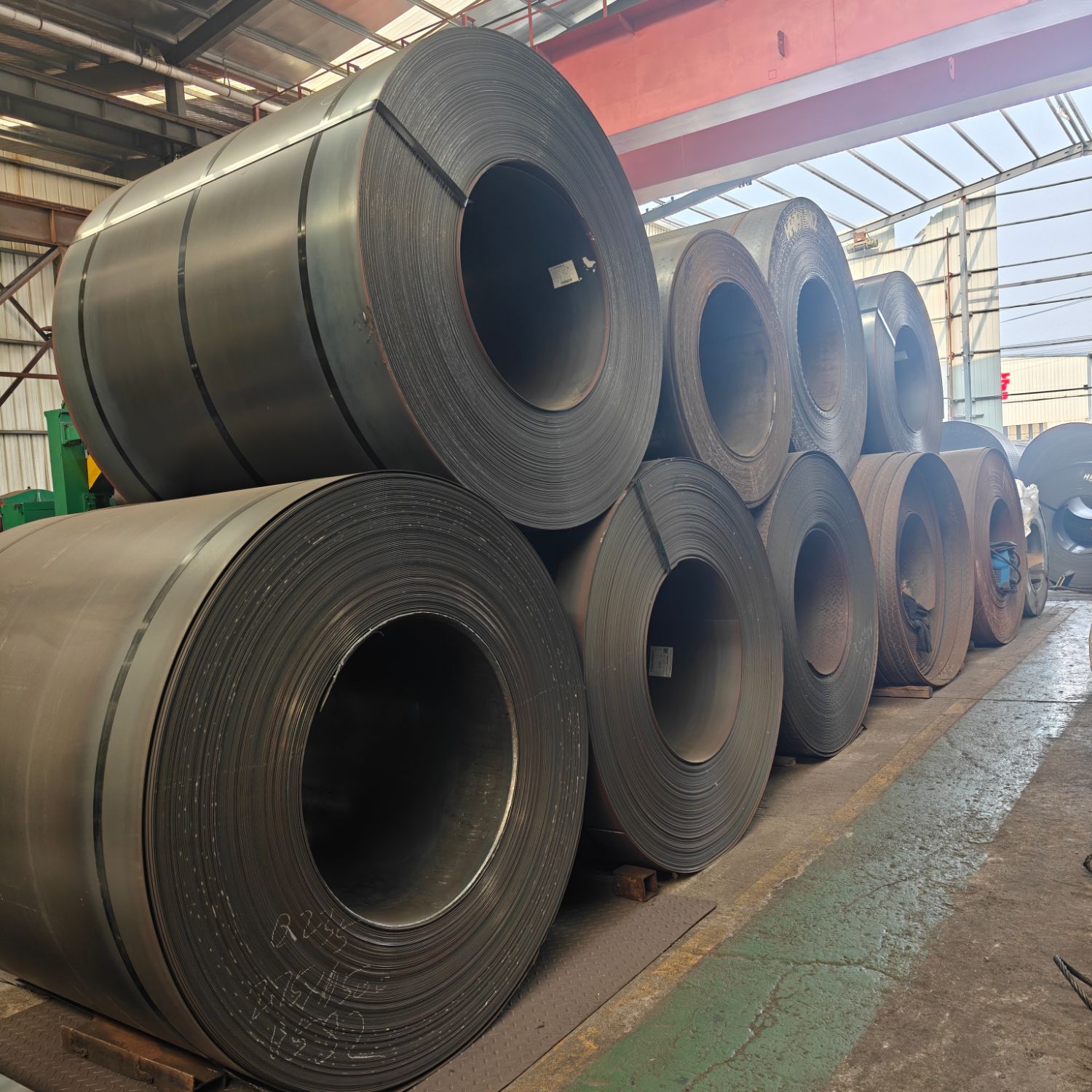
When it comes to structural applications, the durability of Q235 plates stands out as a crucial factor. These plates are engineered to withstand harsh environments, from industrial settings to outdoor constructions, where factors like corrosion, wear, and impact are constant threats. The high-grade version of Q235 ensures a longer lifespan, reducing maintenance costs and downtime over time.
Reliability in Q235 plates isn't just a claim; it's backed by consistent performance under stress. With precise manufacturing controls, these plates deliver uniform strength and toughness, making them a dependable choice for load-bearing structures and safety-critical components. This reliability translates into fewer failures and enhanced peace of mind for engineers and builders.
What sets high-grade Q235 apart is its ability to balance cost-effectiveness with robustness, providing a practical solution without compromising on quality. Unlike generic alternatives, it offers tailored durability for specific applications, ensuring your projects stand the test of time with minimal fuss.
Manufacturing Excellence: Cutting-Edge Production of Q235 Steel Solutions
At the heart of our operations lies a relentless pursuit of manufacturing excellence, specifically tailored for Q235 steel solutions. We've engineered a production process that seamlessly combines precision with innovation, ensuring every batch of Q235 steel meets rigorous industry standards while offering enhanced durability and versatility. By integrating automated quality control systems and real-time monitoring, we minimize defects and maximize efficiency, setting a new benchmark in steel fabrication.
Our cutting-edge approach extends beyond traditional methods, incorporating advanced techniques like thermo-mechanical controlled processing (TMCP) to refine the microstructure of Q235 steel. This not only improves its mechanical properties, such as strength and toughness, but also allows for customization based on specific application needs, from construction frameworks to automotive components. Collaborating with leading metallurgists, we continuously experiment with alloy adjustments and heat treatments to push the boundaries of what Q235 steel can achieve.
Moreover, we prioritize sustainability and cost-effectiveness without compromising on quality. By utilizing energy-efficient furnaces and recycling scrap materials, we reduce environmental impact while keeping production costs competitive. This holistic strategy ensures that our Q235 steel solutions are not only top-tier in performance but also responsibly manufactured, catering to a global market that values both excellence and eco-consciousness.
Applications Across Industries: Customizable Uses for Q235 Steel Plates
Q235 steel plates offer remarkable versatility, making them a top choice in fields from construction to machinery. In the building sector, their strength and cost-effectiveness support structural frames, bridges, and industrial facilities, while in manufacturing, they form the backbone of agricultural equipment and storage solutions. This adaptability is driven by Q235's balanced properties of durability and weldability, allowing it to perform reliably under diverse conditions.
Beyond traditional uses, Q235 plates are finding innovative roles in renewable energy, such as framing for solar panel mounts and wind turbine components, and in automotive manufacturing for chassis parts that require both rigidity and affordability. Their customization potential shines in specialized applications like modular housing and temporary event structures, where designers can specify thickness or surface treatments to meet exact needs, blending practicality with creative engineering.
Industries value Q235 not just for its performance but for its environmental and economic benefits, as it's often produced with efficient recycling processes and low waste. This makes it a smart pick for projects aiming at sustainability without sacrificing quality, from urban infrastructure upgrades to custom fabrication in art installations, ensuring it remains a dynamic material in modern industrial landscapes.
Ensuring Quality Standards: Testing and Certification for Q235 Products
To guarantee the reliability and safety of Q235 steel products, manufacturers implement rigorous testing protocols that span from raw material inspection to final product verification. This process often includes mechanical tests such as tensile strength, yield point, and elongation assessments, which help determine the material's suitability for various structural applications. Non-destructive techniques like ultrasonic or magnetic particle testing are also employed to detect internal flaws without damaging the product, ensuring that only defect-free items reach the market.
Certification for Q235 products typically involves compliance with international standards such as ASTM, EN, or GB, which set specific benchmarks for chemical composition and performance characteristics. By obtaining these certifications, producers demonstrate their commitment to quality, making their offerings more competitive in global markets. Regular audits and third-party reviews further reinforce this trust, providing buyers with documented proof that the steel meets or exceeds the required specifications for durability and consistency.
Beyond standard protocols, some manufacturers adopt innovative quality control measures tailored to Q235's unique properties, such as advanced microstructure analysis to optimize grain size for improved toughness. This proactive approach not only minimizes the risk of failure in demanding environments like construction or machinery but also enhances brand reputation, as customers increasingly seek transparent and verifiable quality assurances for their material investments.
Sustainable Practices: Environmental Benefits of Durable Steel Solutions
Embracing durable steel solutions offers significant environmental advantages that align with modern sustainability goals. By prioritizing longevity and resilience, steel structures reduce the frequency of replacements and repairs, thereby minimizing resource extraction and waste generation over time. This durability not only conserves raw materials but also lowers the overall ecological footprint, contributing to a more circular economy where products are built to last.
Additionally, steel's recyclability enhances its environmental credentials, as it can be reprocessed repeatedly without losing properties, diverting large volumes from landfills. The energy savings inherent in using recycled steel further cut emissions, making it a smart choice for eco-conscious projects aiming to reduce carbon impacts.
Integrating steel into sustainable practices also promotes innovation in green building techniques, such as energy-efficient designs and reduced material usage. This approach not only meets compliance standards but often exceeds them, setting a benchmark for responsible construction that balances durability with environmental stewardship.
FAQ
High-quality Q235 steel plate is characterized by its excellent strength-to-weight ratio, good weldability, and consistent chemical composition, making it a reliable choice for various construction and manufacturing applications.
Q235 steel plate offers durability in environments like construction sites and industrial settings due to its corrosion resistance, provided it's properly coated or maintained to prevent rust in humid or corrosive conditions.
Yes, Q235 steel plate is commonly used in building structures, machinery frames, and automotive components, where its balance of affordability and mechanical properties meets industry standards effectively.
When selecting a manufacturer, consider their production capabilities, quality control processes, certifications, and ability to provide tailored solutions to ensure you receive plates that match your project's specific requirements.
Many manufacturers offer customization options for Q235 steel plate, including different thicknesses, sizes, and surface treatments to adapt to unique engineering needs or aesthetic preferences.
Q235 steel plate is often more cost-effective than higher-grade steels like Q345, offering adequate performance for many non-critical applications, though it may have lower yield strength in high-stress scenarios.
Sourcing from a specialized Q235 manufacturer ensures access to expertise, consistent quality, and potential cost savings through bulk purchasing or efficient supply chain management for long-term projects.
Conclusion
High-quality Q235 steel plates from China represent a durable and versatile solution for construction needs, combining strength with practical applications across various industries. As a premier construction material, Q235 steel offers exceptional durability and reliability, making it ideal for projects requiring long-lasting performance. Manufacturers employ cutting-edge production techniques to ensure these plates meet rigorous standards, with customizable options available to suit diverse requirements. The material's adaptability allows for widespread use in sectors such as infrastructure, manufacturing, and automotive, where its resilience and cost-effectiveness are highly valued.
Quality assurance is a cornerstone of this manufacturing process, involving thorough testing and certification to guarantee that Q235 products adhere to international benchmarks. Beyond performance, sustainable practices in production contribute to environmental benefits, promoting eco-friendly steel solutions that reduce waste and energy consumption. This holistic approach not only enhances the material's appeal but also positions Chinese manufacturers as leaders in delivering innovative and reliable steel plates. By integrating durability, versatility, and sustainability, Q235 steel plates provide a robust foundation for modern construction, ensuring safety and efficiency in diverse applications.
Contact Us
Contact Person: Zoey
Email: [email protected]
Tel/WhatsApp: +86 15865577002
Website: https://www.sanhesteels.com