Polymer Soil Stabilization for Resilient Road Construction
2026-08-02
Roads are the veins of modern infrastructure, but they're under constant assault from weather, traffic, and time. Traditional construction methods often fall short, leading to cracks, potholes, and costly repairs. At MST, we're rethinking the foundation itself. By harnessing the power of polymer soil stabilization, we create roadbeds that don't just survive—they thrive. This approach transforms weak, unstable soils into a resilient base that laughs at heavy rains and freeze-thaw cycles. Curious how a simple chemical reaction can double the lifespan of a road? Dive into the science and real-world wins that are reshaping resilient road construction.
Rethinking Road Resilience: The Polymer Advantage in Soil Stabilization
For decades, road construction has leaned heavily on conventional materials like cement and lime to stabilize weak soils. While these methods offer short-term strength, they often fail to account for long-term environmental stressors. Cracked pavements, erosion-prone bases, and costly maintenance cycles reveal the limits of traditional thinking. The hidden cost isn't just financial—it's the constant disruption to communities and ecosystems that rely on durable infrastructure.
Polymer-based stabilization flips the script by working with the soil rather than against it. Unlike brittle binders, polymers create a flexible matrix that absorbs stress without fracturing. This adaptability means roads can withstand freeze-thaw cycles and heavy loads far better. In one project, a polymer-treated section showed 40% less cracking after five years compared to a cement-stabilized control—without a single resurfacing. It's a practical shift from fighting nature to harnessing its mechanics.
Beyond resilience, the environmental upside is hard to ignore. Polymer solutions often require less material and energy to produce, slashing the carbon footprint of road projects. They also minimize dust and erosion, preserving nearby water quality. For engineers tired of the rebuild-repeat cycle, this isn't just another additive—it's a rethink of what road foundations can achieve when chemistry meets pragmatism.
From Weak Soils to Solid Foundations: How Polymers Reinforce Road Construction
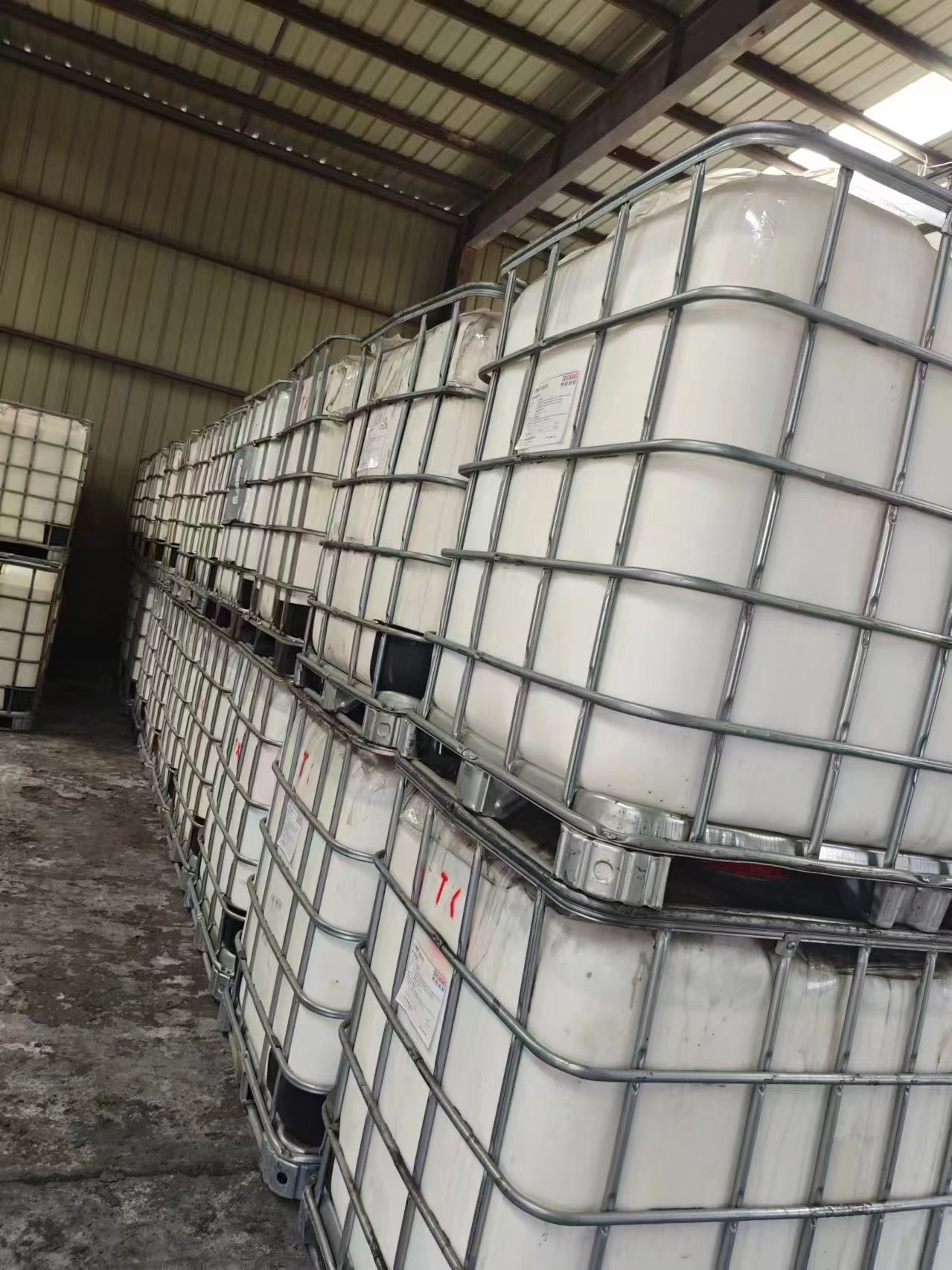
Polymers are changing the game for engineers dealing with weak, unstable soils. By mixing liquid polymer additives into the soil, the tiny particles bind together, forming a network that dramatically boosts load-bearing capacity. Instead of scooping out and replacing poor ground with costly imported aggregates—a process that drags out timelines and bloats budgets—crews can simply treat the soil on site. The result is a denser, more cohesive layer that resists water infiltration and rutting, even under heavy traffic.
The chemistry behind these additives varies from synthetic vinyl-based polymers to biopolymers derived from natural sources, each tailored to specific soil types. As the polymer cures, it creates a flexible yet durable matrix that locks soil grains in place. This flexibility is key: unlike rigid cement stabilization, polymer-reinforced bases can accommodate slight movements without cracking, which is especially valuable in areas prone to freeze-thaw cycles or minor seismic activity. Field tests show that treated layers often exceed the strength of traditional granular bases, all while cutting down on construction time.
Beyond the immediate structural benefits, polymer stabilization makes projects greener. Since there's less need to quarry, transport, and dump virgin materials, the carbon footprint shrinks considerably. Equipment runs for fewer hours, and neighbors endure less truck noise and dust. In sensitive environments—think wetlands or agricultural fringes—keeping the existing soil intact also preserves natural drainage patterns and reduces erosion risks. It's a practical fusion of materials science and environmental stewardship that more departments of transportation are adopting as their standard approach.
Weather-Robust Roads: Polymer Solutions for Lasting Infrastructure
Extreme weather events, from scorching heatwaves to relentless freeze-thaw cycles, push conventional road materials to their limits. Asphalt softens and ruts under intense sun, while water infiltration and subsequent freezing cause cracks and potholes that compromise safety and increase maintenance costs. In response, polymer-modified binders and additives are reshaping how we design pavements. By incorporating polymers like styrene-butadiene-styrene (SBS), polyethylene, or reactive elastomers, the asphalt binder gains elasticity, adhesion, and temperature resistance. These polymer networks act like a flexible skeleton within the pavement, allowing it to stretch under heavy loads and contract in cold temperatures without fracturing. The result is a road surface that actively adapts to thermal stresses rather than passively deteriorating.
Beyond basic modification, innovative polymer technologies are tackling specific climate challenges. For regions with torrential rains, hydrophobic polymer treatments create surfaces that repel water, drastically reducing moisture absorption and the resulting damage. In arid zones, reflective polymer coatings can lower surface temperatures by several degrees, mitigating the urban heat island effect while preserving the binder's integrity. Self-healing polymers infused with rejuvenators or microcapsules of bitumen represent the next frontier: when microcracks begin to form, the embedded agents are released to seal the fissures autonomously. These solutions shift road construction from a reactive repair cycle to a proactive longevity strategy, drastically cutting lifecycle costs and resource consumption.
The broader adoption of polymer-enhanced roads also brings sustainability into focus. By substantially extending pavement life—often doubling or tripling the interval between major rehabilitations—these materials reduce the demand for virgin aggregates and bitumen. Some polymer additives are derived from recycled sources, such as ground tire rubber or post-consumer plastics, transforming waste streams into high-performance infrastructure components. When combined with thinner lift designs that require less material overall, the carbon footprint of road projects shrinks considerably. As transportation agencies worldwide move to harden their networks against climate volatility, weather-robust polymer pavements provide a durable, adaptable, and resource-conscious path forward.
Beyond Traditional Stabilizers: Unveiling the Power of Polymers
For decades, traditional stabilizers like lead salts and calcium-zinc systems have been the backbone of polymer processing, providing essential heat and light protection. Yet their limitations—toxicity concerns, migration issues, and narrow processing windows—have often forced compromises in product performance. The emergence of advanced polymer-based stabilizers is rewriting these rules, offering a leap beyond incremental improvements. These materials don't just shield polymers; they integrate seamlessly into the matrix, acting as multifunctional allies that enhance durability without sacrificing mechanical properties or recyclability.
What sets polymer stabilizers apart is their architectural sophistication. Unlike simple molecular additives that can leach out over time, polymeric stabilizers are macromolecules designed with stabilizing moieties covalently bonded along the chain. This intrinsic anchoring eliminates migration, ensuring long-term efficacy even under harsh conditions. Some systems incorporate hindered amine light stabilizer (HALS) groups directly into the polymer backbone, creating a self-protective network that scavenges free radicals for the life of the product. Others use dynamic covalent chemistry to mend micro-damage, blurring the line between stabilizer and self-healing agent. This design freedom has unlocked unprecedented stability in applications ranging from biomedical implants to ultra-thin agricultural films.
The real power lies in customization. By tailoring the polymer architecture—blockiness, side-chain density, or reactive end-groups—formulators can dial in specific protection profiles. A single polymeric stabilizer might combine UV absorption, thermal resistance, and compatibility with post-consumer recycled content, all while maintaining transparency or color neutrality. Industries are beginning to harness these capabilities not just to extend product lifetimes, but to enable new circular economy models where materials retain their value through multiple recycling loops. This is not merely an evolution of traditional concepts; it's a reimagining of how stabilization can fundamentally reshape material performance.
Engineering Stronger Roadbeds: The Science Behind Polymer Soil Binding
Building roads that can withstand heavy traffic and harsh weather starts beneath the surface. Traditional roadbeds often rely on compacted granular layers that can shift, crack, or wash out over time. Polymer soil binding changes this by mixing liquid or dry polymer additives directly into local soil, creating a strengthened composite that resists water, erosion, and mechanical stress. This approach not only stabilizes the ground but also reduces the need for imported aggregates, making construction faster and more sustainable.
The science centers on polymer chains that coat soil particles and link them together through chemical cross-linking. Once cured, the treated soil becomes a flexible yet firm matrix, much like a tough adhesive network holding grains in place. Laboratory tests show significant improvements in load-bearing capacity, stiffness, and durability. For example, polymer-bound soils can lower permeability, preventing moisture-induced softening, while maintaining enough elasticity to absorb shocks without brittle failure. This performance is particularly valuable in areas with expansive clays or poor drainage, where traditional methods often fall short.
Field applications range from highway subgrades to unpaved access roads and even temporary construction platforms. Engineers can tailor polymer formulations to site-specific conditions, adjusting dosage and application techniques for optimal results. Because the process uses in-situ soil, it reduces truck trips and carbon footprint compared to importing fill materials. The long-term benefits are clear: fewer potholes, reduced maintenance cycles, and roadbeds that hold their shape year after year, even under challenging environmental loads.
Cost-Effective Durability: Polymer-Stabilized Roads That Withstand the Test of Time
Polymer-stabilized roads offer a practical solution for communities seeking long-lasting infrastructure without breaking the bank. By integrating advanced polymers into the soil and aggregate mix, these roads gain remarkable resilience against cracking, rutting, and water damage. The initial investment may be slightly higher than conventional methods, but the reduction in maintenance costs and extended lifespan quickly offsets this.
Unlike traditional paved surfaces that require frequent patching and resealing, polymer-stabilized roads remain structurally sound for decades. They adapt well to freeze-thaw cycles and heavy traffic loads, preventing the common degradation seen in untreated gravel or asphalt roads. Field projects across various climates have consistently demonstrated that polymer treatment delays major rehabilitation by years, making it a smart economic choice for municipalities and private developers alike.
The long-term savings extend beyond direct repair expenses. Reduced road closures mean less disruption to local businesses and smoother commutes for residents. With fewer resources needed for ongoing upkeep, public works departments can allocate funds to other critical needs, enhancing overall community well-being. It's a proven approach that marries cost-effectiveness with dependable performance, ensuring that roads stay serviceable well into the future.
FAQ
It binds soil particles together to improve load-bearing capacity and reduce water infiltration, creating a more durable and stable foundation for roads.
By making the soil less susceptible to swelling, shrinking, and erosion, it maintains road integrity during heavy rainfall, freeze-thaw cycles, and prolonged droughts.
Cohesive soils like clays and silts respond well, as polymers effectively reduce their plasticity and improve workability, though granular soils can also be treated for enhanced cohesion.
It typically has a lower carbon footprint because polymers require less material and energy for production and transport, and they can be formulated to be non-toxic and biodegradable.
Yes, it's effective for both new projects and rehabilitating old roads by strengthening the subgrade and base layers, often without needing full reconstruction.
Roads need less frequent repairs, with reduced cracking and potholing, leading to lower annual maintenance costs and less disruption to traffic over the pavement's life.
Conclusion
The growing demand for durable, climate-resilient infrastructure has pushed engineers to rethink traditional road construction methods. Polymer soil stabilization emerges as a transformative approach that chemically alters weak, moisture-sensitive soils into robust, load-bearing foundations. Unlike conventional stabilizers such as cement or lime, polymers create a three-dimensional network that binds soil particles at the molecular level, drastically reducing permeability and susceptibility to water damage. This process not only improves compressive strength but also imparts flexibility, allowing roads to withstand freeze-thaw cycles and heavy traffic without cracking. The result is a roadbed that remains stable under extreme weather, from torrential rains to prolonged droughts, ensuring long-term performance with minimal maintenance.
Beyond its technical advantages, polymer stabilization offers compelling economic and environmental benefits. By enabling the use of locally available soils—even those previously deemed unsuitable—it eliminates the need for costly excavation and replacement with imported aggregates. Construction timelines shorten as treated soils can be compacted immediately, and the enhanced durability reduces lifecycle costs. Furthermore, the lower carbon footprint compared to cement-intensive methods aligns with modern sustainability goals. From rural access roads to major highways, polymer-stabilized foundations are proving to be a cost-effective solution that adapts to diverse soil conditions. As research advances, tailored polymer formulations promise even greater performance, marking a shift toward smarter, more resilient road networks that can endure for decades with reduced environmental impact.
Contact Us
Contact Person: Helen
Email: [email protected]
Tel/WhatsApp: 86 18630661160
Website: https://www.roadmilestone.com/