Rapid Shutdown Device Innovations: Leading Factory Solutions
2025-12-29
In the competitive world of solar energy, safety and efficiency are non-negotiable. With Rapid Shutdown Devices (RSDs) becoming a critical component in modern photovoltaic systems, innovation is key to staying ahead. Discover how cutting-edge RSD technologies are transforming factory solutions, ensuring compliance while maximizing performance. At SINGI, we're proud to lead this charge with groundbreaking designs that set new industry standards. Whether you're an installer, engineer, or industry enthusiast, delve into the latest advancements that prioritize safety without compromising on power. Explore how SINGI's innovative approaches are reshaping the landscape—read on to learn what makes these solutions truly exceptional and why they matter for your next project.
Innovative Rapid Shutdown Devices for Enhanced Factory Safety
In modern manufacturing environments, safety is paramount, and rapid shutdown devices have become a game-changer. These innovative systems are engineered to detect hazards—such as equipment malfunctions, fires, or human error—within milliseconds, triggering an immediate halt to operations. By integrating smart sensors and real-time monitoring, they not only prevent accidents but also minimize downtime, ensuring that factories can resume production swiftly after a safety event. This proactive approach transforms traditional safety protocols from reactive measures into a seamless, automated defense mechanism.
What sets these devices apart is their adaptability to diverse industrial settings. Unlike one-size-fits-all solutions, they can be tailored to specific machinery, processes, and risk profiles, enhancing precision and reliability. For instance, in high-voltage electrical systems, rapid shutdowns might involve isolating power sources, while in chemical plants, they could activate ventilation or containment protocols. This customization ensures that safety responses are not just fast but also contextually appropriate, reducing the likelihood of false alarms and maximizing operational efficiency without compromising on protection.
The integration of advanced technologies, such as IoT connectivity and predictive analytics, further elevates their effectiveness. By analyzing data trends, these devices can anticipate potential failures before they escalate, allowing for preemptive shutdowns and maintenance. This forward-thinking capability not only safeguards workers and assets but also fosters a culture of continuous improvement in factory safety. Ultimately, innovative rapid shutdown devices represent a critical investment in building resilient, future-proof industrial operations where safety and productivity go hand in hand.
Advanced Solutions to Boost Electrical System Efficiency in Manufacturing
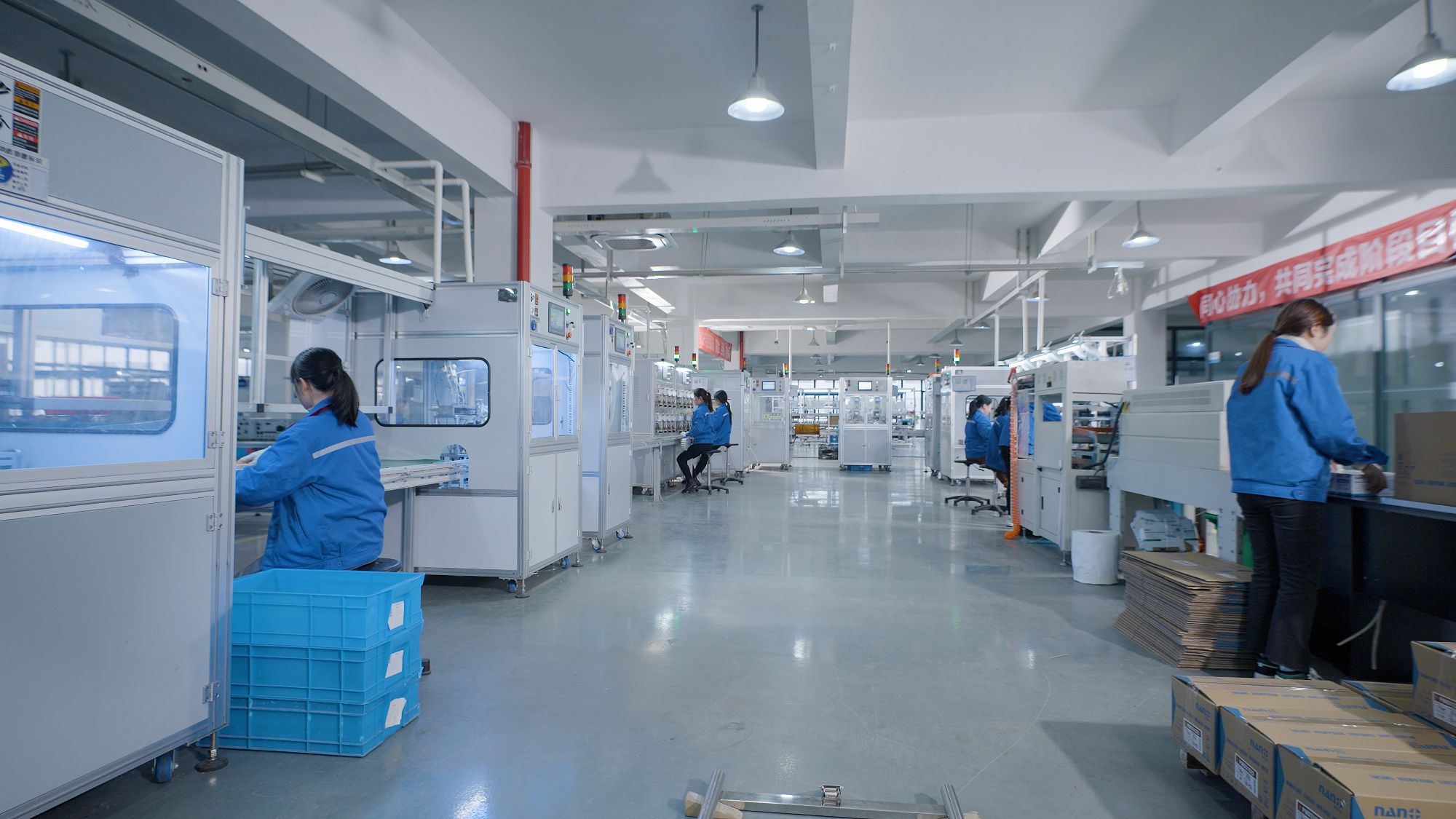
While many manufacturers focus on basic upgrades like LED lighting, truly transformative efficiency gains in electrical systems often require a more strategic approach. One powerful solution involves implementing smart grid technologies that integrate real-time monitoring and automated controls. For instance, by deploying IoT sensors throughout the facility, companies can track energy consumption patterns down to individual machines or production lines. This data isn't just for show—it enables dynamic load balancing, predicting peak usage times and adjusting power distribution seamlessly to avoid waste. In one automotive plant, such a system reduced energy costs by 20% within the first year, showcasing how proactive management can deliver rapid returns without disrupting operations.
Beyond monitoring, advanced solutions also encompass power quality improvements that are frequently overlooked yet critical for reliability. Manufacturing setups, especially those with heavy machinery like CNC machines or robotic arms, often suffer from issues like harmonic distortion and voltage sags, which can lead to equipment downtime and increased maintenance. By investing in active harmonic filters or custom-designed power conditioning units, facilities can stabilize their electrical supply, ensuring machines run at optimal performance. A food processing company recently adopted this approach, not only cutting energy waste by 15% due to smoother operations but also extending the lifespan of their equipment, highlighting how tackling underlying power issues can drive long-term efficiency and cost savings.
Another key area for boosting efficiency lies in retrofitting existing systems with energy-efficient motors and variable frequency drives (VFDs), but the real game-changer is integrating these with predictive analytics. Instead of performing maintenance on a fixed schedule, manufacturers can use AI-driven insights to predict when a motor might fail or operate inefficiently, enabling targeted interventions before problems escalate. This holistic strategy, combining hardware upgrades with data-driven foresight, helps companies move beyond mere energy savings to enhance overall productivity. For example, a textile manufacturer implemented such a system, reducing unplanned downtime by 30% and achieving a consistent 10% reduction in energy usage, proving that advanced solutions are as much about smart integration as they are about technological upgrades.
Cutting-Edge Technologies for Quick Power Cessation in Industrial Settings
In modern industrial environments, ensuring rapid power cessation is critical for safety, emergency response, and equipment protection. Advanced systems now integrate automated detection mechanisms, such as infrared sensors and AI-driven monitoring, that identify anomalies like electrical faults or leaks in real-time. This allows for immediate shutdown sequences, reducing potential hazards and minimizing damage to machinery.
Another innovative approach involves the use of smart circuit breakers and contactors that communicate through IoT networks. These devices can be remotely triggered or programmed for autonomous action based on specific thresholds, such as current surges or temperature spikes. This not only enhances precision in power control but also facilitates seamless integration with broader facility management systems.
Emerging technologies, including wireless emergency stop buttons and blockchain-based safety protocols, further revolutionize quick power cessation. They offer decentralized, tamper-proof solutions that ensure rapid response times and reliability, making industrial operations more resilient and adaptable to evolving challenges.
Smart Design Features Ensuring Compliance and Reliability in Facilities
Smart design features in modern facilities go beyond basic functionality, focusing on integrating advanced technologies that proactively address compliance and reliability challenges. For example, automated environmental monitoring systems utilize IoT sensors to track parameters like temperature, humidity, and air quality in real-time, ensuring adherence to strict regulatory standards without manual intervention. This approach minimizes human error and provides continuous data streams for audits, enhancing operational transparency and reducing compliance risks.
Reliability is further bolstered through predictive maintenance tools that analyze equipment performance data to forecast potential failures before they occur. By leveraging machine learning algorithms, facilities can schedule maintenance during off-peak hours, preventing unexpected downtime that might disrupt critical processes. This not only extends the lifespan of machinery but also ensures consistent output quality, which is vital for industries like pharmaceuticals or manufacturing where even minor fluctuations can have significant consequences.
Moreover, smart design incorporates user-centric interfaces that simplify compliance management for staff. Interactive dashboards display key metrics and alerts in an intuitive format, enabling quick decision-making and swift corrective actions. This human-centered approach fosters a culture of accountability and efficiency, making it easier for teams to maintain high reliability while navigating complex regulatory landscapes, ultimately creating more resilient and adaptable facilities.
Customizable Options to Meet Diverse Manufacturing Needs and Standards
In today's fast-paced manufacturing landscape, one size doesn't fit all. Our customizable options are designed to adapt to a variety of production environments, whether you're working with specialized materials or adhering to strict industry regulations. By offering flexible configurations and modular components, we ensure that your equipment not only performs efficiently but also scales with your evolving business goals.
We understand that every manufacturer faces unique challenges, from tight tolerances in precision engineering to sustainability mandates in green industries. That's why our solutions include adjustable settings and upgradeable features, allowing you to fine-tune operations without costly overhauls. This approach not only boosts productivity but also helps you stay compliant with international standards, giving you a competitive edge in global markets.
Beyond compliance, our focus is on delivering tailored support that aligns with your specific workflows. From initial setup to ongoing maintenance, we provide options that integrate seamlessly into your existing systems, minimizing downtime and maximizing output. This level of personalization ensures that you're not just meeting standards—you're setting new benchmarks for quality and innovation in your sector.
Future-Proof Systems Reducing Downtime and Operational Risks
Imagine a scenario where your business operations run smoothly without the constant threat of unexpected outages or costly disruptions. Future-proof systems are not just about leveraging the latest technology; they're designed with a proactive mindset to anticipate challenges and adapt over time. By minimizing downtime, these systems ensure that your team can stay focused on core tasks, boosting productivity and enhancing customer satisfaction through reliable service delivery.
Beyond mere prevention, such systems actively reduce operational risks by incorporating robust security features and redundancies that guard against data breaches and system failures. This strategic approach not only protects your assets but also builds resilience against evolving threats, positioning your organization as a stable force in a rapidly changing landscape.
Ultimately, investing in future-proof solutions pays dividends by creating a sustainable foundation for growth, where innovation and efficiency go hand-in-hand to secure your long-term success.
FAQ
Recent innovations focus on enhancing safety through faster shutdown mechanisms and improved communication protocols for real-time monitoring and control.
They minimize electrical hazards by quickly isolating power sources during emergencies, reducing the risk of fire or equipment damage.
Key differentiators include integrated smart features, modular designs for easy installation, and compatibility with various industrial systems.
Core features encompass autonomous operation, remote diagnostics, user-friendly interfaces, and robust construction for harsh environments.
Yes, they're tailored for sectors like automotive assembly, chemical processing, and electronics production, where precise shutdowns prevent costly disruptions.
By reducing downtime and maintenance needs, they help streamline workflows and enhance productivity through reliable safety measures.
Important factors include assessing existing infrastructure, training staff on new protocols, and ensuring compliance with safety regulations for seamless integration.
Conclusion
Rapid shutdown device innovations are revolutionizing factory safety by introducing advanced solutions that enhance electrical system efficiency in manufacturing environments. These cutting-edge technologies enable quick power cessation in industrial settings, integrating smart design features to ensure compliance with rigorous standards while improving operational reliability. By addressing diverse manufacturing needs through customizable options, these devices provide adaptable frameworks that align with various industry benchmarks, fostering safer and more efficient workplaces.
Looking ahead, future-proof systems incorporating these innovations aim to reduce downtime and mitigate operational risks, positioning factories for sustainable growth. The synergy of enhanced safety protocols, boosted efficiency, and reliable performance underscores how rapid shutdown devices serve as leading solutions in modern manufacturing. This holistic approach not only safeguards facilities but also drives productivity, making them indispensable tools in today's dynamic industrial landscape.
Contact Us
Contact Person: Jack
Email: [email protected]
Tel/WhatsApp: (+86) 13757759651
Website: https://www.singi.com