What factors influence the softening point of C5 hydrocarbon resin during production
2026-06-02
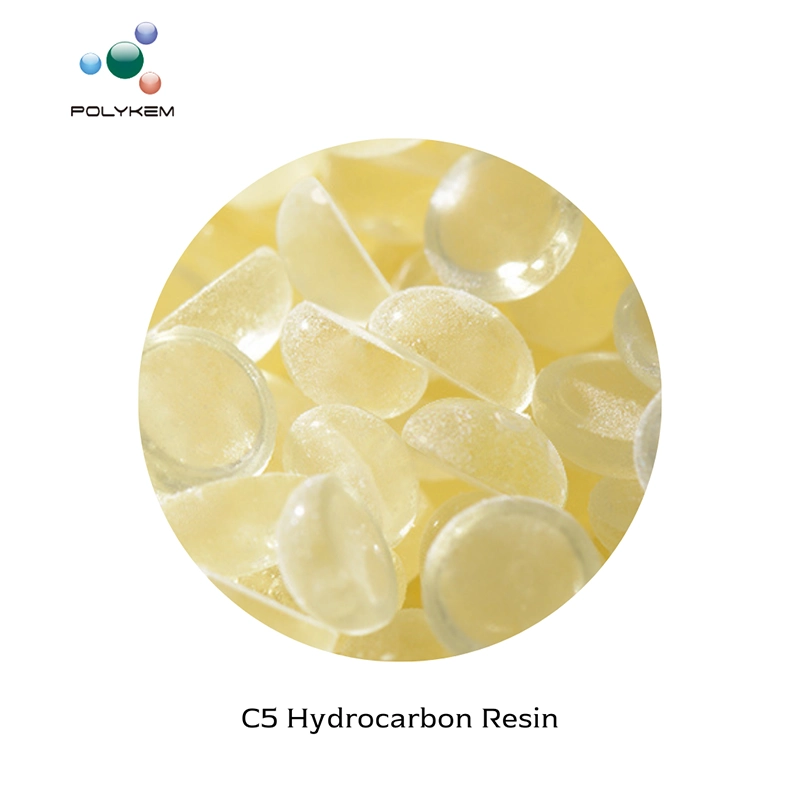
The softening point of C5 Hydrocarbon Resin is a critical property that directly determines its performance in adhesives, rubber compounding, and road marking paints. Understanding the production parameters that affect this characteristic allows manufacturers like Polykem to deliver consistent, high-quality resin tailored to specific industrial applications. This article explores the key factors that influence the softening point during manufacturing, supported by technical insights and frequently asked questions.
Key Production Factors Affecting Softening Point
| Factor | Influence on Softening Point | Typical Control Range |
|---|---|---|
| Feedstock composition | Higher piperylene content raises softening point | 40–70% piperylene concentration |
| Polymerization temperature | Increased temperature lowers softening point | 180–260°C |
| Catalyst type and dosage | Lewis acids promote higher softening point | 0.5–2.0 wt% AlCl₃ |
| Reaction time | Longer time increases molecular weight and softening point | 2–6 hours |
| Hydrogenation degree | Higher hydrogenation reduces softening point slightly | 0–90% saturation |
Detailed Mechanisms Behind Each Factor
1. Feedstock Composition
The C5 fraction from naphtha cracking contains diolefins like cyclopentadiene, isoprene, and piperylene. A higher concentration of piperylene leads to more crosslinking during polymerization, producing C5 Hydrocarbon Resin with a higher softening point (100–120°C). In contrast, feeds rich in isoprene yield softer resins (80–95°C). Polykem optimizes feedstock blends to meet precise customer specifications.
2. Polymerization Temperature
Thermal polymerization is highly sensitive to temperature. Operating at the lower end (180–200°C) promotes chain growth and cyclization, raising the softening point. Temperatures above 240°C encourage chain transfer and termination, significantly lowering the softening point. This allows manufacturers to fine-tune the resin within a 70–130°C range.
3. Catalyst Selection
Friedel-Crafts catalysts such as AlCl₃ promote cationic polymerization. Higher catalyst concentrations increase reaction rate and molecular weight distribution, directly elevating the softening point. However, excess catalyst may cause charring and color issues. Polykem employs advanced catalyst removal systems to balance efficiency and product purity.
4. Reaction Time and Pressure
Extended reaction time (over 4 hours) allows for more complete monomer conversion and higher molecular weight, raising the softening point by 10–20°C. Elevated pressure (3–5 bar) also helps retain volatile monomers, further increasing the final softening point.
Frequently Asked Questions About C5 Hydrocarbon Resin
Q1: Why does the softening point of C5 Hydrocarbon Resin matter for hot melt adhesives?
A: The softening point directly affects the adhesive’s heat resistance and open time. A higher softening point (105–120°C) ensures the adhesive remains stable under high-temperature conditions, such as in automotive or packaging applications. Conversely, a lower softening point (80–95°C) provides faster wetting and lower application viscosity. Polykem produces a full range of softening points to match diverse bonding requirements.
Q2: Can the softening point be adjusted after the C5 Hydrocarbon Resin is fully produced?
A: No, the softening point cannot be significantly altered after polymerization and finishing steps such as distillation or hydrogenation. However, blending different batches of C5 Hydrocarbon Resin with varying softening points is a common industrial practice to achieve intermediate values. For precise control, production parameters must be optimized upstream. Polykem offers custom synthesis to meet specific softening point targets without post-blending inconsistencies.
Q3: How does hydrogenation influence the softening point and stability of C5 Hydrocarbon Resin?
A: Hydrogenation reduces residual unsaturation, improving color stability and weatherability while typically lowering the softening point by 5–15°C. The extent of hydrogenation must be carefully controlled because over-hydrogenation can excessively reduce molecular polarity, affecting adhesion. Polykem uses selective hydrogenation technology to maintain optimal softening point ranges while delivering water-white resins for sensitive applications like disposable hygiene adhesives.
Contact Us for Tailored C5 Hydrocarbon Resin Solutions
Whether you require a specific softening point for advanced adhesives or need technical support in resin selection, Polykem provides expert guidance and high-performance C5 Hydrocarbon Resin grades. Contact our team today to discuss your production requirements or request a sample for testing.