What Is the Difference Between Physiologically Acidic and Physiologically Basic Fertilizers
2026-03-09
Understanding the nuances between Physiologically Acidic Fertilizer and physiologically basic options is crucial for modern agriculture. At Rongda, we specialize in plant nutrition science, helping growers make informed decisions that optimize soil health and crop yield. The distinction lies not in the immediate pH of the fertilizer itself, but in the residual effect it leaves on the soil after plant uptake.
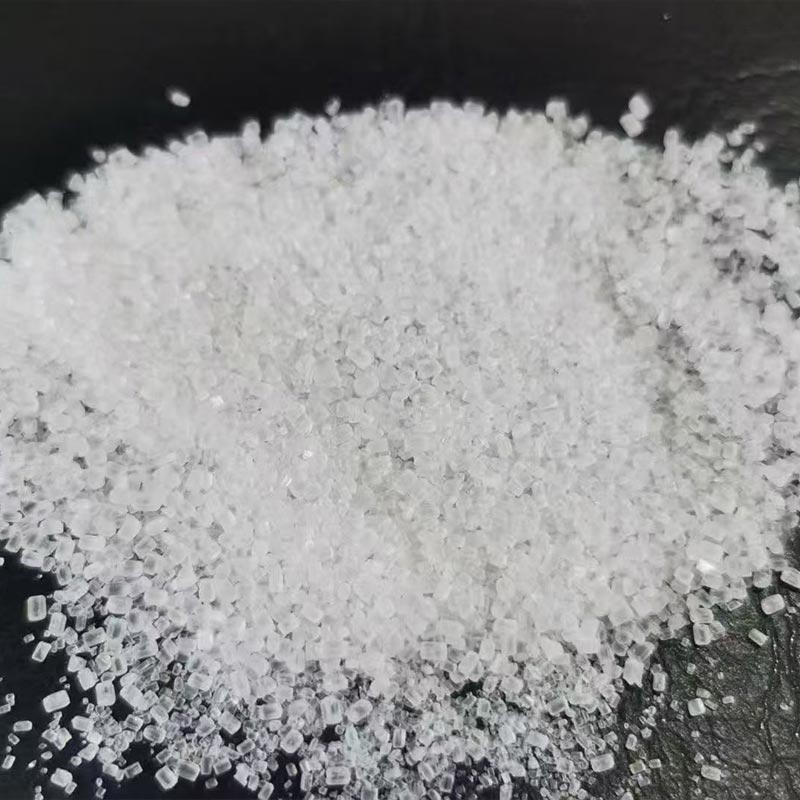
The Scientific Basis of Physiological Acidity
When a plant absorbs nutrients, it releases either hydrogen ions (H⁺) or bicarbonate ions (HCO₃⁻) to maintain electrical balance. This root-zone exchange determines whether a fertilizer is physiologically acidic or basic.
Physiologically Acidic Fertilizer occurs when cations (like ammonium-NH₄⁺) are absorbed more than anions. The plant releases H⁺ ions, acidifying the rhizosphere. Conversely, physiologically basic fertilizers result from higher anion absorption (like nitrate-NO₃⁻), leading to bicarbonate release and increased soil alkalinity.
Key Differences at a Glance
To clarify these concepts, here is a technical breakdown of their core characteristics:
| Feature | Physiologically Acidic Fertilizer | Physiologically Basic Fertilizer |
|---|---|---|
| Primary Cation Source | Ammonium (NH₄⁺), Potassium (K⁺) | Calcium (Ca²⁺), Magnesium (Mg²⁺) |
| Primary Anion Source | Sulfate (SO₄²⁻), Chloride (Cl⁻) | Nitrate (NO₃⁻) |
| Root Zone Reaction | Roots excrete H⁺ to absorb cations | Roots excrete OH⁻/HCO₃⁻ to absorb anions |
| Long-Term Soil Effect | Decreases soil pH (acidifies) | Increases soil pH (alkalizes) |
| Common Examples | Ammonium sulfate, Urea, Monoammonium phosphate | Calcium nitrate, Potassium nitrate, Sodium nitrate |
Practical Implications for Crop Management
Choosing the correct type is essential for nutrient availability. In high-pH soils (calcareous), using a Physiologically Acidic Fertilizer can help solubilize micronutrients like iron and zinc. In acidic soils, switching to physiologically basic options can prevent toxic aluminum availability.
Rongda recommends soil testing prior to application to determine which category aligns with your field's specific chemistry.
Frequently Asked Questions
What exactly defines a Physiologically Acidic Fertilizer?
A Physiologically Acidic Fertilizer is defined by the plant's nutritional response, not the fertilizer's initial pH. When a plant takes up nutrient cations (positively charged ions) from this fertilizer faster than anions, it releases hydrogen ions into the soil to maintain charge balance. This process increases the hydrogen ion concentration in the root zone, thereby lowering the soil pH over time. Common examples include ammonium-based products where nitrogen is in the ammonium form.
How does a Physiologically Acidic Fertilizer impact soil microbiology?
The application of a Physiologically Acidic Fertilizer significantly alters the rhizosphere microbial community. The localized drop in pH favors the proliferation of acid-tolerant microorganisms, particularly fungi, over certain bacteria. While this can be beneficial for breaking down organic matter, it may temporarily suppress nitrifying bacteria that convert ammonium to nitrate. Rongda formulates these fertilizers to support a balanced microbial ecosystem while delivering targeted nutrition.
Can switching between acidic and basic fertilizers correct soil pH issues?
Yes, strategic rotation is a key agronomic practice. If soil tests indicate rising alkalinity, incorporating a Physiologically Acidic Fertilizer can gently titrate the pH downward without the need for harsh elemental sulfur. Conversely, if soils are overly acidic, switching to physiologically basic fertilizers like calcium nitrate can help buffer the pH upward. This method offers a subtle, continuous correction compared to single large applications of lime or acid.
Conclusion and Expert Consultation
Selecting the right fertilizer type is a science that directly impacts your return on investment. Whether you need to acidify the root zone for blueberries or maintain balance for cereals, Rongda provides the expertise and product range to meet your specific demands.
To discuss your soil analysis and develop a precise nutrient strategy, please contact us today for a professional consultation.