Agriculture Machinery
Precision, Power, and Productivity: Your Guide to Modern Agriculture Machinery
Modern farming is a symphony of technology and power. At its core are the sophisticated machines that till, plant, protect, and harvest, turning human effort into exponential productivity. For farmers, fleet managers, and agribusinesses, selecting the right agriculture machinery is not just a purchase; it's a critical investment in operational efficiency, yield optimization, and long-term profitability. This comprehensive guide delves into the essential machinery categories, provides detailed technical specifications, and answers your most pressing questions to help you make an informed decision.
Core Categories of Essential Agriculture Machinery
The contemporary farm relies on a suite of specialized equipment, each designed for a specific phase of the cultivation cycle.
- Tractors: The universal power source of the farm. Available in various horsepower (HP) ranges, from compact utility models for smallholdings to massive articulated units for vast fields. Key considerations include engine power, hydraulic capacity, PTO (Power Take-Off) specifications, transmission type (manual, hydrostatic, powershift), and cabin comfort with integrated technology.
- Tillage Equipment: Prepares the seedbed for optimal planting. This includes:
- Moldboard Plows: For deep, complete inversion of soil.
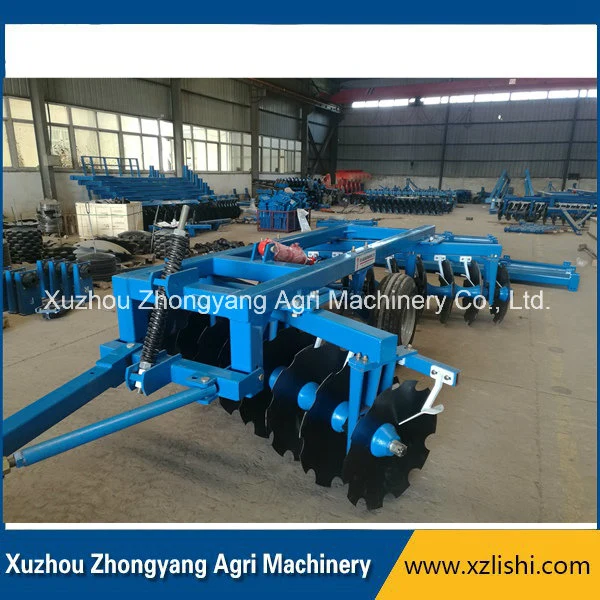
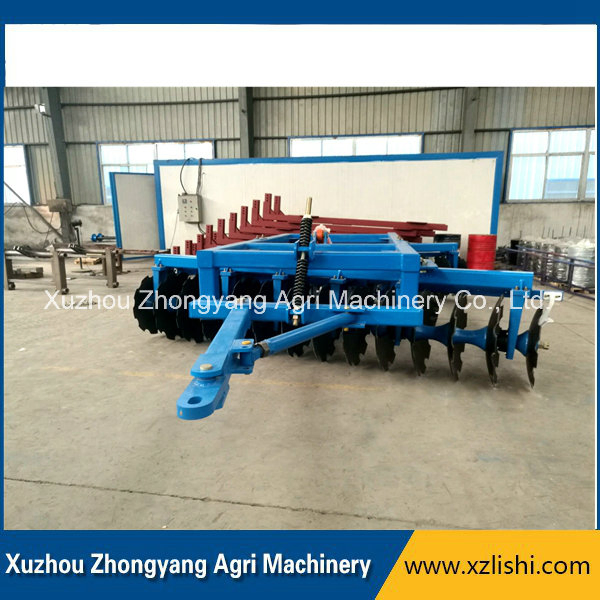
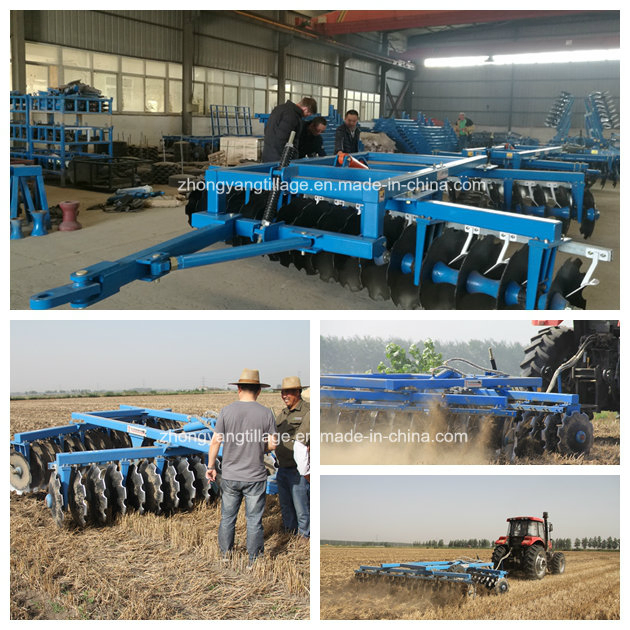
- Disc Harrows: Cuts and mixes crop residue and soil at a shallower depth.
- Chisel Plows/Cultivators: For deep tillage with minimal soil disturbance (conservation tillage).
- Rotary Tillers: Uses rotating blades to create a fine, level seedbed.
- Planting and Seeding Equipment: Ensures precise seed placement for uniform germination.
- Seed Drills: Places seeds in rows at a controlled depth.
- Air Seeders: Uses an airstream to distribute seeds over wide areas, often combined with tillage.
- Precision Planters: The pinnacle of seeding tech, placing individual seeds at exact intervals and depths using GPS guidance and automated row units.
- Crop Care & Protection Machinery:
- Sprayers: For applying fertilizers, herbicides, and pesticides. Boom widths vary from 30 to over 120 feet, with tank capacities from hundreds to thousands of gallons.
- Fertilizer Spreaders: Broadcast dry or liquid fertilizers evenly across the field.
- Harvesting Equipment: The harvest specialists.
- Combine Harvesters: The most complex machine on the farm, performing reaping, threshing, and winnowing in a single pass. Key specs include header width, grain tank capacity, and engine power.
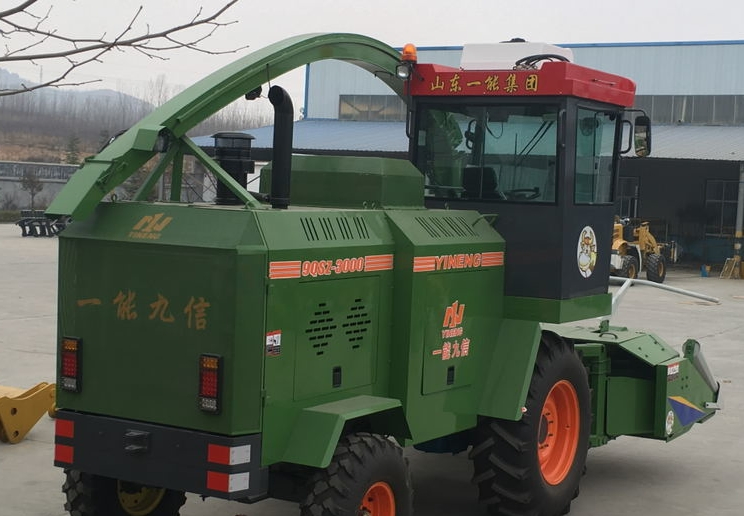
- Forage Harvesters: Chops plant material (like corn or grass) into silage for animal feed.
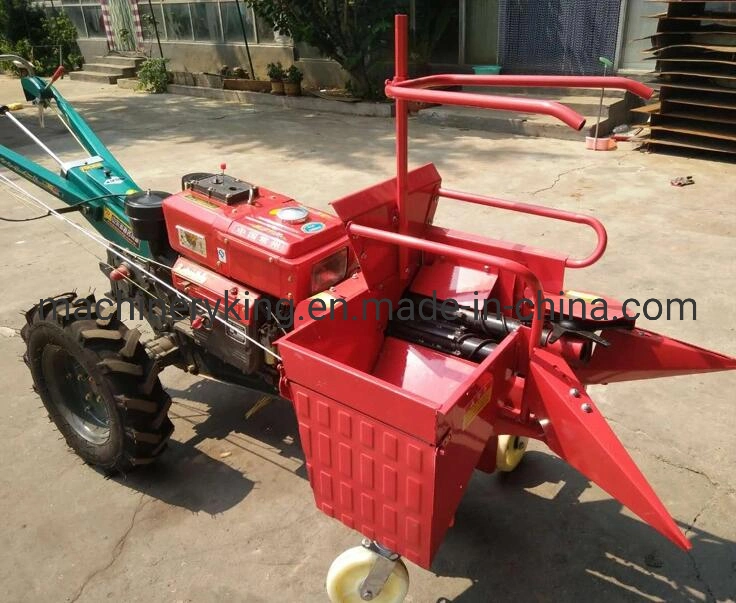
- Specialized Harvesters: For potatoes, sugar beets, cotton, and more.
- Hay & Forage Equipment: Includes mowers, conditioners, rakes, balers (round and square), and wrappers for producing hay and straw.
Technical Specifications: A Comparative Analysis
Understanding detailed parameters is crucial for matching machinery to your specific land, crop, and operational scale. Below are detailed specifications for common machine types available through industry leaders like processing-machinery.com.
1. Mid-Range Utility Tractor Specifications
| Model Series | Engine HP (Gross) | PTO HP | Transmission Type | Hydraulic Flow (gpm) | Lift Capacity (lbs) | Fuel Tank (gal) |
|---|---|---|---|---|---|---|
| PM-UT145 | 145 HP | 130 HP | 24F/24R Powershift with Creeper | 35 | 8,150 | 52 |
| PM-UT175 | 175 HP | 158 HP | Infinitely Variable Transmission (IVT) | 44 | 9,900 | 68 |
| PM-UT210 | 210 HP | 195 HP | 18F/6R Semi-Powershift | 50 | 11,200 | 75 |
Note: All models feature standard ISO-compliant hydraulics, digital dashboards, and optional GPS-ready steering systems. Specifications are subject to change; confirm with your processing-machinery.com consultant.
2. Precision Air Seeder Key Parameters
| Component | Specification Options | Description & Impact |
|---|---|---|
| Hopper Capacity | 200, 300, 400 bu (Seed) 5-10 ton (Fertilizer) |
Larger capacity reduces refill stops, increasing field efficiency on large acreages. |
| Working Width | 40 ft, 60 ft, 80 ft | Wider widths cover more ground per pass but require higher horsepower tractors and careful transport planning. |
| Opener Type | Knife, Spoon, Disc | Determines seed placement depth consistency and performance in varying residue conditions. |
| Hydraulic System | Independent Section Control | Allows automatic shut-off of individual sections to prevent over-application on headlands and point rows, saving inputs. |
| Monitor Integration | ISOBUS Class III | Enables seamless communication between the tractor monitor and seeder for population control, mapping, and diagnostics. |
3. Self-Propelled Sprayer Critical Specs
| Feature | Standard | Premium | Performance Benefit |
|---|---|---|---|
| Boom Width | 90 ft | 120 ft | Increased coverage per pass, reducing time in field. |
| Tank Capacity | 800 gallons | 1,200 gallons | Fewer refill cycles, more continuous operation. |
| Engine Power | 250 HP | 325 HP | Better performance on hills and with high-viscosity solutions. |
| Suspension | Mechanical | Hydraulic Active Cab & Boom | Superior stability on uneven terrain, ensuring even spray pattern and operator comfort. |
| Nozzle Control | Pulse Width Modulation (PWM) by Section | Individual Nozzle PWM with Auto-Swath | Ultra-precise application, eliminating overlaps and skips, maximizing chemical efficiency. |
Agriculture Machinery FAQ: Your Questions Answered
Q: How do I determine the right tractor horsepower for my farm?
A: Horsepower needs are dictated by your primary tasks, field size, and soil type. A general rule is 15-25 HP per foot of implement width for heavy tillage. For example, pulling a 30-foot disc harrow may require 450-750 HP. However, for lighter duties like mowing or spraying, lower HP may suffice. Consider future needs and consult the implement horsepower recommendations. A dealer like processing-machinery.com can perform a detailed operational analysis.
Q: What is the difference between a seed drill and a precision planter, and which is better?
A: Both plant seeds, but with different levels of accuracy and purpose. Seed drills meter seeds by volume and place them in a continuous stream within a furrow, ideal for small grains like wheat or oats. Precision planters use mechanical or vacuum meters to pick and place individual seeds (like corn, soybeans, cotton) at a precise spacing and depth. The "better" machine depends on your crop. For high-value row crops where plant population uniformity directly impacts yield, a precision planter is a superior investment.
Q: How important is ISOBUS compatibility in modern agriculture machinery?
A: ISOBUS is a critical, industry-standard communication protocol. It allows a universal display in the tractor cab to control and monitor implements from different brands seamlessly. This eliminates the need for multiple brand-specific monitors, reduces cab clutter, simplifies operation, and ensures data from different implements (planter, sprayer, combine) can be integrated into a single farm management software platform. When sourcing equipment, prioritize ISOBUS Class II or III compatibility for future-proofing your operation.
Q: What are the key maintenance checks I should perform daily on my combine harvester during harvest season?
A: Daily pre-start and post-operation checks are vital to prevent downtime during the critical harvest window. Key areas include: 1) Engine: Check coolant, engine oil, and hydraulic fluid levels. Inspect for leaks. 2) Cleaning/Separation System: Check fan belt tension, sieve settings, and ensure all grates are clean and not plugged. 3) Cutting Header: Inspect knife sections, guards, and sickle drive for wear or damage. Lubricate all points per the manual. 4) Grain Handling: Check elevator chains and augers for proper tension and lubrication. 5) Walk-around: Check tire pressure and look for any visible damage to belts, hoses, or bearings.
Q: I'm looking to upgrade my hay equipment. What are the advantages of a rotary rake versus a wheel rake?
A: Rotary rakes and wheel rakes serve the same purpose—gathering cut hay into windrows—but with different methods. Rotary rakes use multiple star-shaped wheels rotating on a central drum. They are gentler on leafy legumes like alfalfa, cause less soil contamination, and create fluffier, faster-drying windrows. Wheel rakes use a series of flexible tines mounted on rotating wheels. They are generally more affordable, robust, and faster for large, open fields but can be harsher on the crop and pick up more dirt. The choice depends on crop sensitivity, budget, and desired hay quality.
Q: Where can I find reliable technical specifications and compare models from different brands?
A: Reputable equipment dealers and manufacturers provide detailed specification sheets for every model. For comprehensive, side-by-side comparisons and access to a wide range of brands under one roof, consider partnering with a global supplier like processing-machinery.com. Their platform offers detailed parametric search filters, allowing you to compare horsepower, capacities, dimensions, and features across multiple brands and categories, ensuring you find the machine that perfectly matches your technical and operational requirements.
Optimizing Your Investment: Beyond the Spec Sheet
While specifications are foundational, a successful machinery investment also considers:
- Dealer Support & Parts Availability: Proximity of a reliable service network and parts inventory is non-negotiable, especially during short planting or harvesting windows.
- Technology Integration: Ensure new machinery is compatible with your existing GPS guidance, data management systems, and future automation upgrades.
- Total Cost of Ownership (TCO): Look beyond the sticker price. Factor in estimated fuel consumption, routine maintenance costs, expected repair intervals, and potential resale value.
- Operator Ergonomics & Training: A comfortable, intuitive cab reduces operator fatigue and error. Invest in training to ensure your team can leverage all the machine's technological capabilities.
By combining a deep understanding of your own operational needs with the detailed technical knowledge of modern machine capabilities, you position your farm for greater precision, reduced waste, and enhanced profitability. The right agriculture machinery is a force multiplier, and making an educated choice is the first step toward a more productive and sustainable future.
- View as