Concrete Machinery
Welcome to the definitive resource for Concrete Machinery. As industry experts with decades of experience, we understand the critical role that reliable, high-performance equipment plays in construction, infrastructure, and commercial projects. At processing-machinery.com, we specialize in providing a comprehensive range of machinery designed to enhance efficiency, ensure precision, and deliver superior concrete results. This guide will delve into the core product categories, detailed specifications, and essential knowledge to help you make an informed decision for your operational needs.
Core Categories of Concrete Processing Equipment
The modern construction site relies on a symphony of specialized machines. Our portfolio at processing-machinery.com is segmented into logical categories to address every phase of concrete work.
1. Batching Plants
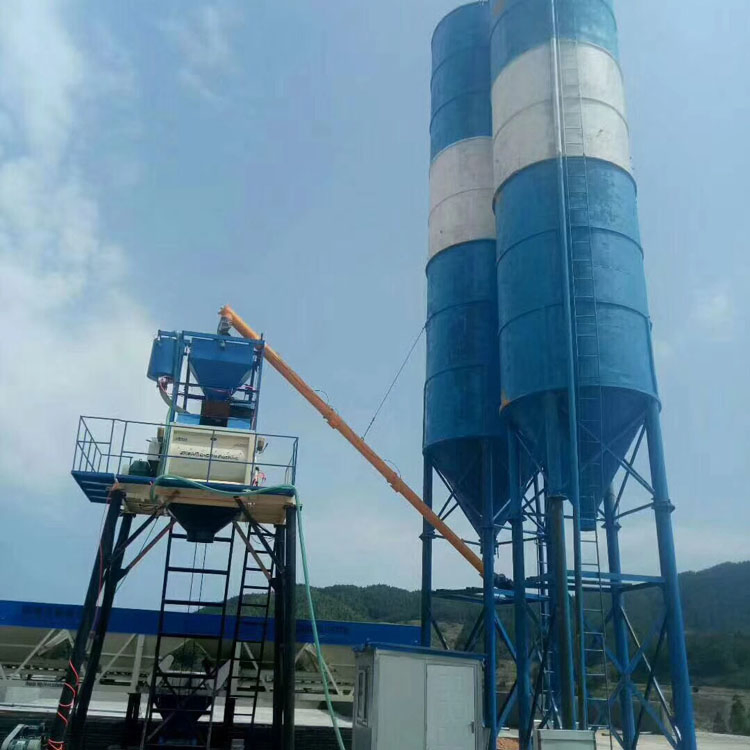
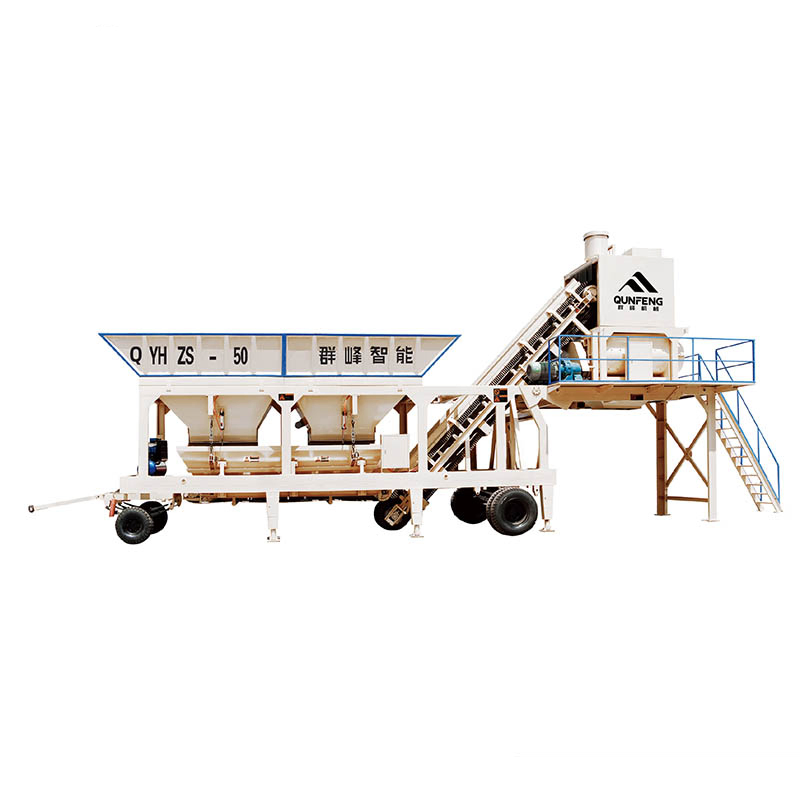
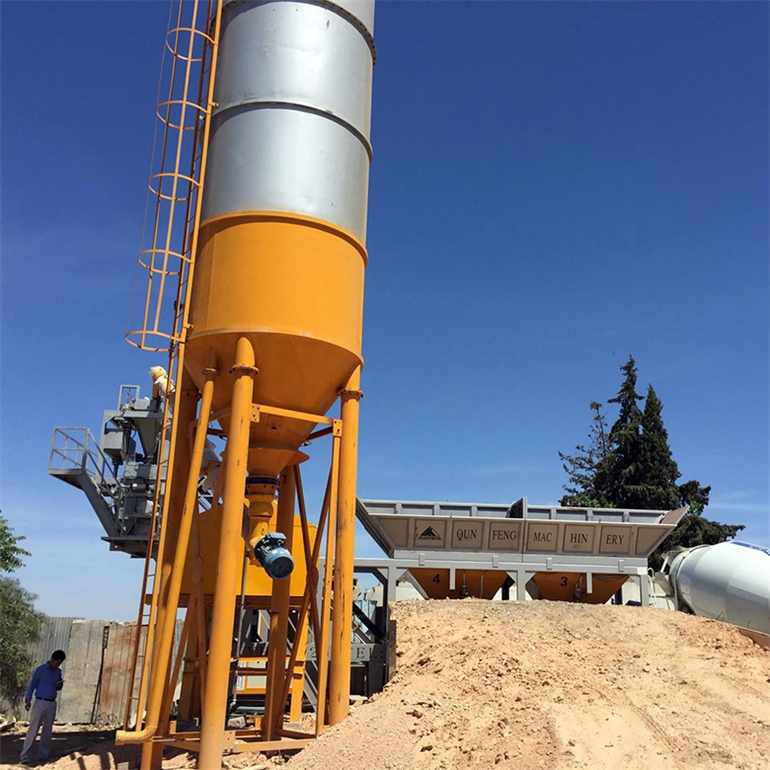
The heart of any large-scale concrete production, batching plants ensure precise mixture of cement, aggregates, water, and admixtures. Key types include:
- Stationary Batching Plants: Ideal for permanent locations or large-volume projects like dams and bridges.
- Mobile Batching Plants: Offer flexibility for projects spread across multiple sites or with limited space.
- Compact/Inline Plants: Designed for urban environments or smaller batch requirements with a smaller footprint.
2. Concrete Mixers
These machines are responsible for homogeneously combining concrete ingredients. Selection depends on volume, mobility needs, and discharge method.
- Drum Mixers (Tilting & Non-Tilting): Common in both stationary and truck-mounted applications.
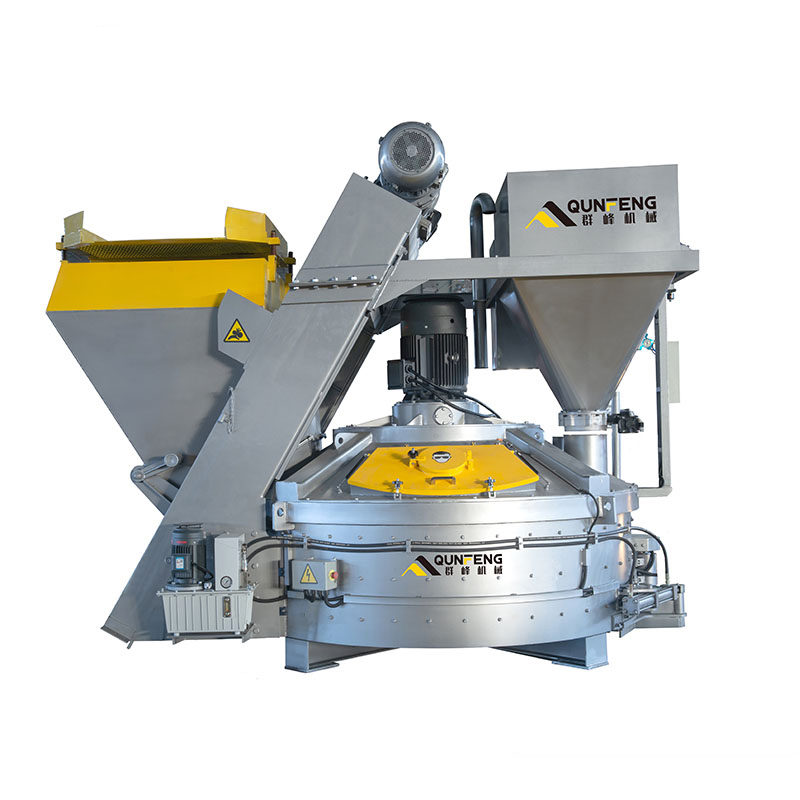
- Pan Mixers: Provide intensive mixing action, excellent for stiff and precast concrete.
- Twin-Shaft Mixers: Deliver fast, thorough mixing with high efficiency, preferred for high-output production.
3. Concrete Pumps
Essential for placing concrete in hard-to-reach areas, these machines transfer liquid concrete through piping systems.
- Boom Pumps: Feature a robotic arm (boom) for precise placement over obstacles and across distances.
- Line Pumps (or Stationary Pumps): Use ground lines to pump concrete horizontally and vertically over long distances.
- Specialty Pumps: Including mortar pumps and grout pumps for specific applications.
4. Block Making Machines
Automated systems for manufacturing concrete blocks, pavers, bricks, and other masonry units. They vary from manual to fully automatic systems.
Detailed Product Parameters & Specifications
Understanding technical specifications is crucial for matching machinery to your project's demands. Below are detailed parameters for key equipment available through processing-machinery.com.
Stationary Concrete Batching Plant - Model SBP-60
| Parameter | Specification | Notes |
|---|---|---|
| Theoretical Output | 60 m³/hr | Under ideal conditions |
| Mixer Capacity | 1.0 m³ per batch | Twin-shaft mixer standard |
| Aggregate Bin Capacity | 4 x 15 m³ | For 4 different aggregates |
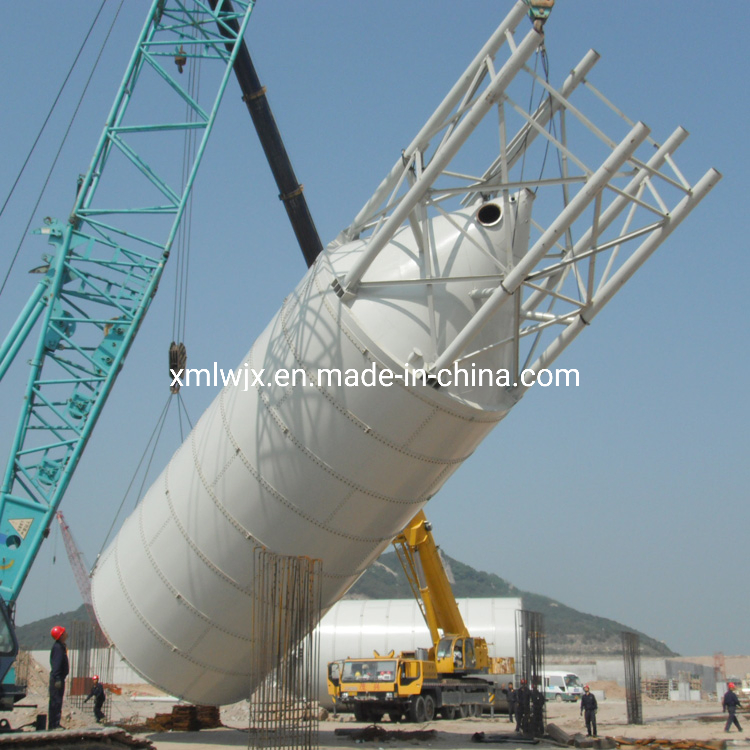
| Cement Silo Capacity | 2 x 50 tons | Can be expanded |
| Water Tank Capacity | 200 liters | With precise metering system |
| Admixture Tank Capacity | 2 x 100 liters | For two different admixtures |
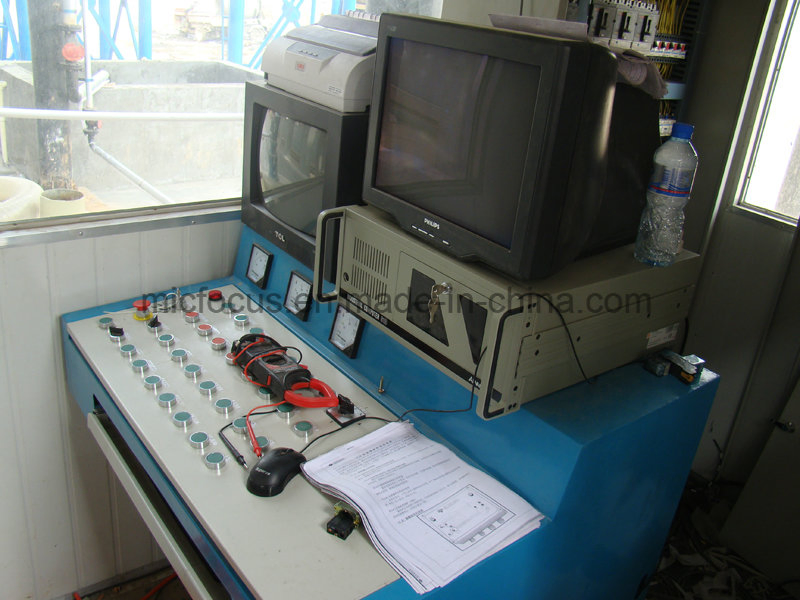
| Control System | Fully computerized PLC | With touchscreen interface and recipe storage |
| Power Requirement | 75 kW | Diesel generator option available |
Mobile Boom Pump - Model MBP-42
| Parameter | Specification |
|---|---|
| Maximum Theoretical Concrete Output | 150 m³/hr |
| Maximum Pressure | 87 bar |
| Boom Reach (Vertical/Horizontal) | 42 meters / 38 meters |
| Boom Sections | 5-section Z-Fold |
| Line Pipe Diameter | 125 mm |
| Engine Power | 276 kW (Diesel) |
| Outrigger Spread | Front: 8.2m, Rear: 9.5m |
| Piston Diameter | 200 mm |
Fully Automatic Block Making Machine - Model ABM-6S
- Production Capacity: Up to 6,000 standard blocks (200x100x400mm) per 8-hour shift.
- Cycle Time: Approx. 15 seconds per cycle (dependent on product).
- Vibration System: High-frequency, dual-axis vibration with adjustable amplitude.
- Hydraulic System Pressure: 16 MPa operating pressure for consistent compaction.
- Pallet Size: Standard 850x550mm, customizable.
- Motor Power: Total installed power ~45 kW.
- Automation Level: PLC with HMI, automatic pallet feeder, product stacker, and curing system integration.
Frequently Asked Questions (FAQ) About Concrete Machinery
Q: What are the most important factors to consider when choosing a concrete batching plant?
A: The primary factors are: Required Output (m³/hr): Match the plant's capacity to your daily project needs. Mobility: Decide if you need a stationary, mobile, or compact plant. Mixer Type: Twin-shaft for high production and harsh mixes, pan mixer for high-quality precast, drum mixer for versatility. Automation Level: From simple manual controls to fully computerized PLC systems with recipe storage and reporting. Available Space & Setup Time: Ensure your site can accommodate the plant's footprint and that the setup time aligns with your project schedule. processing-machinery.com offers expert consultation to evaluate all these factors.
Q: How do I maintain a concrete pump to ensure long service life and avoid costly downtime?
A: Rigorous daily, weekly, and monthly maintenance is non-negotiable. Daily: Grease all wear parts (S-tube, pistons, linkage), check hydraulic oil levels and for leaks, inspect pipeline couplings and seals, and perform a system pressure check. Weekly/Monthly: Change hydraulic oil filters as recommended, inspect and rotate pipeline to distribute wear, check electrical connections, and test safety systems. Always use a high-quality, clean pumping mix and ensure thorough cleaning after each use to prevent concrete buildup and hardening inside the system.
Q: What is the difference between a hydraulic and an electromechanical block making machine?
A: The core difference lies in the driving force for compaction and mold movement. Hydraulic Machines use hydraulic cylinders and oil pressure. They offer greater pressing force, smoother operation, and are generally better for high-density products and intricate molds. They can be more expensive and require hydraulic system maintenance. Electromechanical (or Vibratory) Machines use electric motors to drive vibrators and mechanical cams/gears for movement. They are often simpler, may have lower upfront costs, and are excellent for standard blocks and pavers. The vibration quality is critical for product strength. The choice depends on product type, required density, budget, and maintenance preferences.
Q: Can I use a single machine for both mixing and pumping concrete on a smaller job site?
A: Yes, there are integrated solutions such as Volumetric Mixers or Concrete Mixer Pumps. A volumetric mixer continuously batches and mixes concrete on-demand from component materials, eliminating waste. Some models come with a built-in pumping system. A concrete mixer pump is typically a truck-mounted mixer (drum) that also incorporates a separate pumping system. These are ideal for smaller, remote sites where setting up a separate batching plant and pump is impractical. They offer excellent flexibility and precise volume control.
Q: How does the control system in modern concrete machinery impact productivity and quality?
A: Modern PLC (Programmable Logic Controller) based control systems are transformative. They ensure Precision Batching: Automatically and accurately weigh each ingredient to within 0.5% tolerance, guaranteeing consistent mix proportions. Recipe Management: Store hundreds of mix designs for instant, error-free recall. Production Reporting: Generate detailed reports on materials used, batches produced, and machine performance for job costing and quality assurance. Diagnostics & Safety: Monitor machine health, provide fault alerts, and control safety interlocks. This level of automation reduces human error, improves consistency, optimizes material usage, and provides valuable data for project management.
Q: What should I look for in a machinery supplier beyond the equipment specifications?
A: The supplier's support ecosystem is as critical as the machine itself. Key aspects include: Technical Support & Training: Availability of factory-trained engineers for installation, commissioning, and operator/maintenance training. Parts Availability: A readily available, genuine spare parts inventory to minimize downtime. Warranty & Service Agreements: Clear, comprehensive warranty terms and optional service contracts. Industry Reputation & References: A proven track record and satisfied customer base. Application Expertise: The ability to understand your specific project needs and recommend the optimal solution. At processing-machinery.com, we pride ourselves on building long-term partnerships supported by this full spectrum of services.
- View as