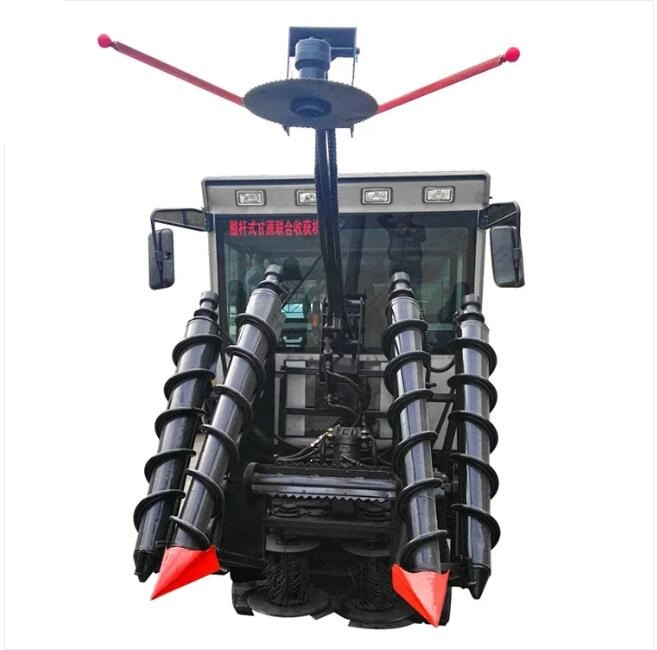
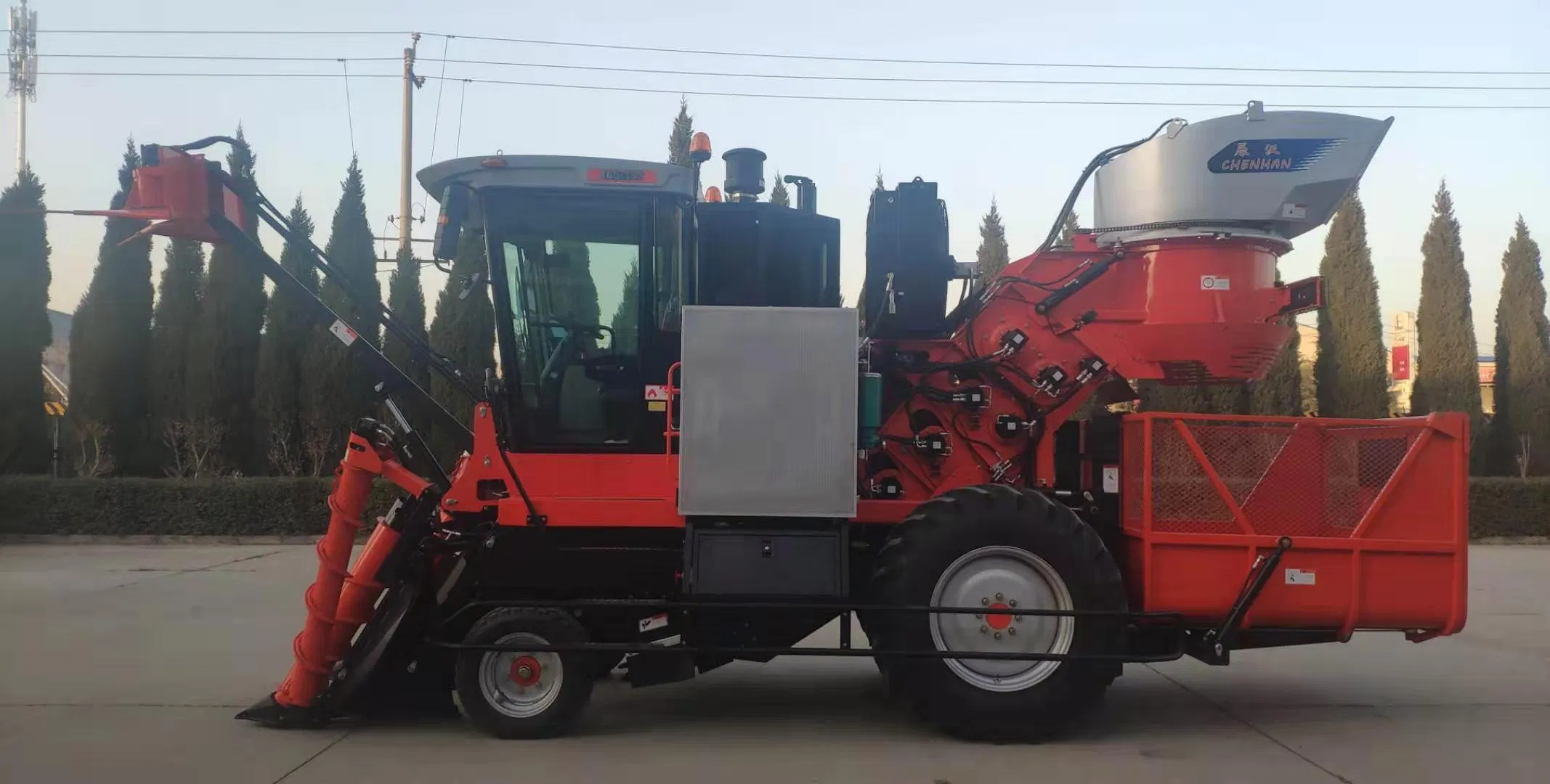
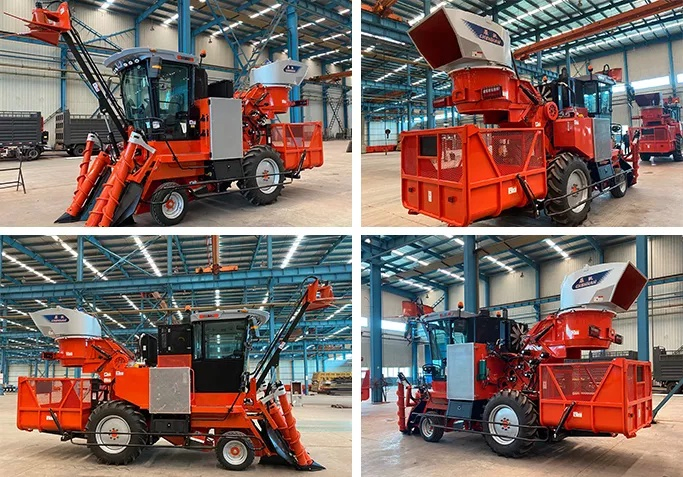
Harvesting Machine
High-Efficiency Harvesting Machine for Modern Agriculture
In the demanding world of modern agriculture, efficiency, reliability, and precision are not just advantages—they are necessities. A superior Harvesting Machine stands as the cornerstone of a profitable and sustainable farming operation, transforming labor-intensive harvesting into a streamlined, high-yield process. At processing-machinery.com, we engineer and supply advanced harvesting machinery designed to meet the rigorous challenges of contemporary farming. Our machines are built on decades of field experience, incorporating cutting-edge technology to deliver unparalleled performance, durability, and return on investment. Whether you operate vast grain fields, manage delicate fruit orchards, or run a diversified vegetable farm, selecting the right harvesting equipment is a critical decision that directly impacts your bottom line and operational capacity.
Our commitment at processing-machinery.com extends beyond simply selling equipment. We provide holistic harvesting solutions. Our team works closely with farmers and agricultural businesses to understand their unique crop profiles, field conditions, and scale requirements. This collaborative approach ensures that the harvesting machine you integrate into your workflow is not just a piece of hardware, but a tailored tool that maximizes productivity, minimizes crop loss, and reduces operational fatigue. From initial consultation and machine selection to after-sales support and parts supply, we partner with you for the long-term success of your harvesting endeavors.
Core Technical Specifications and Features
Our harvesting machines are engineered with precision and robustness. Below is a detailed breakdown of the key specifications that define our flagship combine harvester model, the PM-8500. These parameters highlight the engineering excellence you can expect from the processing-machinery.com product line.
Key Performance Specifications (PM-8500 Combine Harvester)
- Engine Power: 350 HP Tier-4 Final compliant diesel engine, providing consistent high torque for demanding conditions.
- Grain Tank Capacity: 12,000 liters (320 bushels), allowing for extended harvesting runs before unloading.
- Cutting Width: 7.5-meter (25-foot) flexible cutterbar with automatic header height control.
- Unloading Rate: 120 liters per second, enabling rapid transfer to grain carts.
- Separation & Cleaning System: 5.5-meter long axial-flow rotor with a 1.5-square-meter cleaning shoe, ensuring exceptional grain quality and minimal loss.
- Drive System: Full-time mechanical front-wheel drive (MFWD) with optional tracks for superior traction and flotation.
- Cab Features: Fully pressurized, sound-insulated cab with multi-function joystick control, 10-inch touchscreen display, integrated telematics (processing-machinery.com Connect), and automatic climate control.
- Compatibility: Compatible with a wide range of headers for grains, corn, sunflowers, and legumes.
Detailed Component Comparison Table
The following table compares critical components across our main harvester series to help you identify the ideal model for your scale and crop type.
| Component / Feature | PM-6000 Series (Mid-Range) | PM-8500 Series (Flagship) | PM-3000 Specialty Series (Orchards/Vineyards) |
|---|---|---|---|
| Primary Use Case | Medium to large grain & corn farms | Large-scale, high-volume grain, corn, and oilseed operations | Fruit harvesting (apples, citrus, grapes), low-profile design |
| Average Working Width | 5.5 - 6.5 meters | 7.5 - 9 meters | 3 - 4 meters (configurable) |
| Power Plant | 250 HP Diesel | 350 - 450 HP Diesel | 120 HP Electric/Diesel Hybrid |
| Grain Tank Capacity | 8,000 liters | 12,000 - 15,000 liters | 1,500 - 2,000 liters (fruit bin system) |
| Key Technology | Basic yield mapping, auto-steering ready | Advanced yield monitoring, real-time loss sensors, full auto-guidance, processing-machinery.com Connect telematics | Gentle fruit handling systems, adaptive shaking mechanisms, optical sorting options |
| Chassis Design | Standard 4-wheel | 4-wheel or Track system options | Narrow-track, high-clearance |
Harvesting Machine FAQ: Expert Answers from processing-machinery.com
Selecting and operating a harvesting machine involves important considerations. Here are detailed answers to the most frequently asked questions we receive at processing-machinery.com.
Machine Selection & Capabilities
Q: What factors are most important when choosing a new harvesting machine?
A: The primary factors include: 1) Crop Type: Ensure the machine is designed for your specific crops (e.g., combine for grains, specialized shaker for nuts). 2) Farm Scale & Acreage: Match the machine's capacity (cutting width, grain tank size) to your harvest volume to optimize timeliness. 3) Field Conditions: Consider terrain (hilly/flat) and soil type (wet/dry) to decide between wheeled or tracked models. 4) Technology Needs: Evaluate if precision features like yield monitoring, auto-guidance, and telematics (like our processing-machinery.com Connect) are necessary for your data-driven management. 5) Total Cost of Ownership: Look beyond purchase price to fuel efficiency, maintenance costs, parts availability, and expected resale value.
Q: Can one harvesting machine handle multiple crop types effectively?
A: Modern combine harvesters from processing-machinery.com are highly versatile. A single combine platform can efficiently harvest wheat, barley, oats, soybeans, corn (with a corn header), and canola by simply switching the front header. However, for fundamentally different crops like root vegetables, tree fruits, or grapes, a dedicated, specially designed harvesting machine is required. Our specialists can help you configure a multi-crop combine solution or identify the right specialty equipment for your diverse operation.
Technology & Operation
Q: How does the processing-machinery.com Connect telematics system benefit my operation?
A: Our integrated telematics system transforms your harvester into a connected data hub. Key benefits include: Remote Monitoring: Track machine location, fuel levels, engine health, and harvest progress in real-time from your office. Predictive Maintenance: The system analyzes data to alert you to potential service needs before a breakdown occurs, minimizing downtime. Data Integration: Seamlessly export yield map and performance data to farm management software for detailed analysis and record-keeping. Operator Efficiency: Review machine utilization and idle times to improve operational planning and efficiency.
Q: What are the best practices for minimizing grain loss during harvest?
A: Grain loss occurs at the header, threshing/separation, and cleaning stages. To minimize loss: 1) Header Adjustment: Maintain proper cutting height and reel speed/position for the crop condition. 2) Optimize Threshing: Regularly check and adjust rotor/concave clearance and speed to match crop moisture and throughput. Avoid over-threshing. 3) Fine-Tune Cleaning: Adjust fan speed and sieve openings based on crop, chaff, and wind conditions. 4) Operate at Correct Speed: Match ground speed to crop yield to ensure the machine is working within its optimal capacity. 5) Utilize Monitor Systems: Use the in-cab loss sensors (standard on our PM-8500 series) to make real-time adjustments. processing-machinery.com provides comprehensive operator training on these techniques.
Service & Support
Q: What kind of after-sales support and warranty does processing-machinery.com offer?
A: We stand firmly behind our equipment with a robust support package. Our standard warranty covers all major components (engine, drivetrain, rotor) for 2 years or 2,000 engine hours, with a 1-year comprehensive warranty on the entire machine. More importantly, our support includes: 24/7 Diagnostic Support: Remote technicians can access your machine's data via processing-machinery.com Connect to diagnose issues. Global Parts Network: Guaranteed availability of critical parts through our worldwide distribution centers. On-Site Service Teams: A network of factory-trained field service technicians for urgent repairs. Operator Training Programs: Hands-on training for your team to ensure safe and efficient machine operation from day one.
Q: How often does a harvesting machine require major servicing, and what does it involve?
A: Adhering to a strict service schedule is crucial for longevity. Beyond daily maintenance (lubrication, cleaning), major services are typically hour-based: 500-Hour Service: Extensive fluid and filter changes (engine oil, hydraulic, coolant), inspection of belts, chains, and bearings. End-of-Season Service (Post-Harvest): The most critical. This involves a complete cleaning, thorough inspection of wear parts like cutterbar sections, concaves, sieves, and elevators, addressing any repairs, and applying preservatives to the fuel system and unpainted surfaces for storage. Following the detailed service manual provided by processing-machinery.com and using genuine filters and parts is essential for maintaining performance and warranty coverage.
- View as