Machine Tools
What Are Machine Tools and Why Are They Essential?
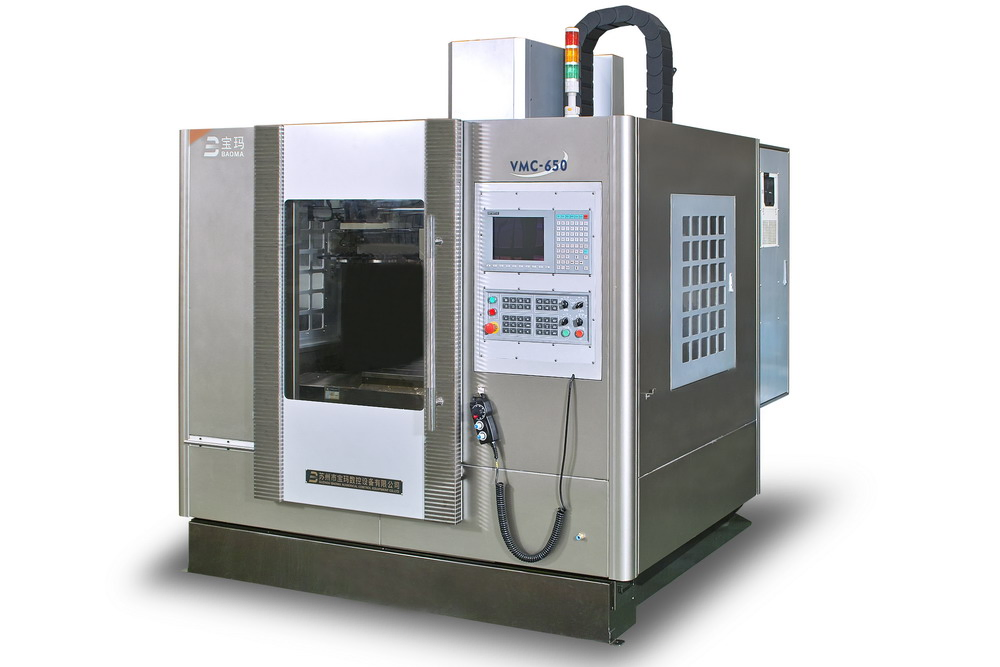
At their core, machine tools are the foundational powerhouses of modern manufacturing. These are power-driven, non-portable devices used to shape, cut, form, and finish metal and other rigid materials. Unlike hand tools, machine tools provide the precision, repeatability, and power necessary for mass production and the creation of complex components. From the engine block in your car to the fuselage of an aircraft, virtually every engineered product you encounter has been touched by a machine tool at some stage of its production. Their evolution directly parallels industrial progress, making them indispensable for industries like aerospace, automotive, medical device manufacturing, energy, and construction.
Core Categories of Machine Tools We Offer
Our portfolio at processing-machinery.com is engineered to meet the rigorous demands of contemporary workshops. We categorize our primary offerings as follows:
- Metal Cutting Machine Tools: These remove material to achieve the desired shape.
- CNC Milling Machines
- CNC Turning Centers (Lathes)
- Machining Centers (3-axis, 4-axis, 5-axis)
- Drilling Machines
- Grinding Machines (Surface, Cylindrical, Centerless)
- Gear Cutting Machines
- Metal Forming Machine Tools: These deform or shape material without removing chips.
- Press Brakes
- Punch Presses (Turret Punches)
- Shearing Machines
- Forging Machines
- Specialized & Advanced Machine Tools:
- Electrical Discharge Machines (EDM - Wire & Sinker)
- Laser Cutting Machines
- Waterjet Cutting Systems
- Multi-Tasking Machines (MTM)
Detailed Product Specifications
Precision is defined by specifications. Below are detailed parameters for two of our flagship machine tool categories available at processing-machinery.com.
1. 5-Axis CNC Machining Center
Ideal for complex aerospace components, molds, and prototypes.
| Parameter | Specification | Description / Benefit |
|---|---|---|
| Model | PMC-5X-1200 | Our premier 5-axis model for high-precision machining. |
| Travel (X, Y, Z) | 1200 x 800 x 600 mm | Large work envelope for sizable parts. |
| Spindle Power | 22 kW (30 HP) | High-torque, geared headstock for heavy-duty cutting in steels and titanium. |
| Spindle Speed | 12,000 rpm (optional 24,000 rpm) | Balanced for both robust material removal and fine finishing. |
| Axis Drives | Direct-Drive Rotary Tables (A/C axes) | Eliminates backlash, provides superior contouring accuracy and surface finish. |
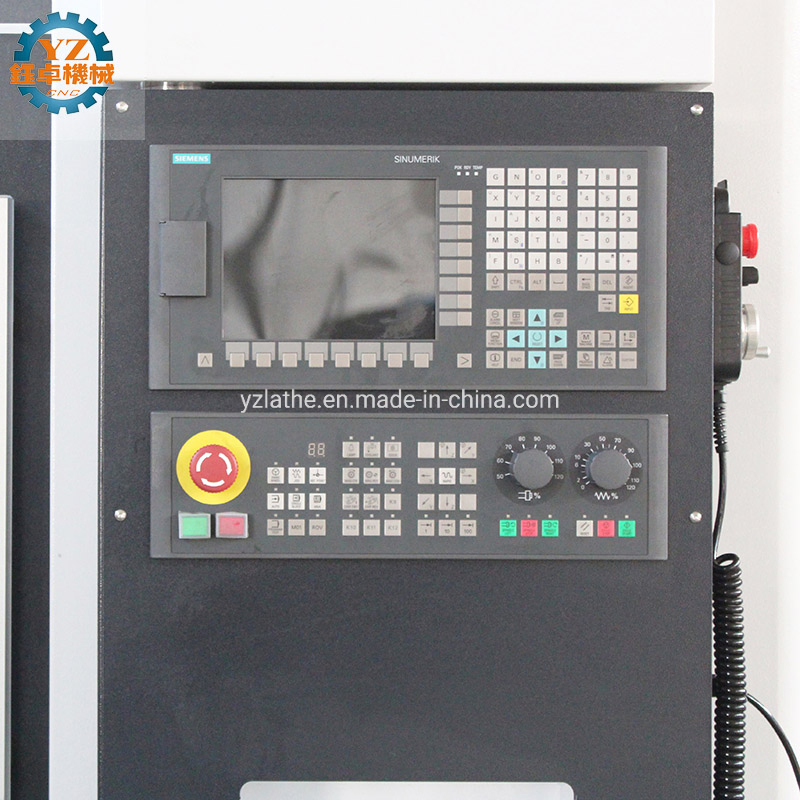
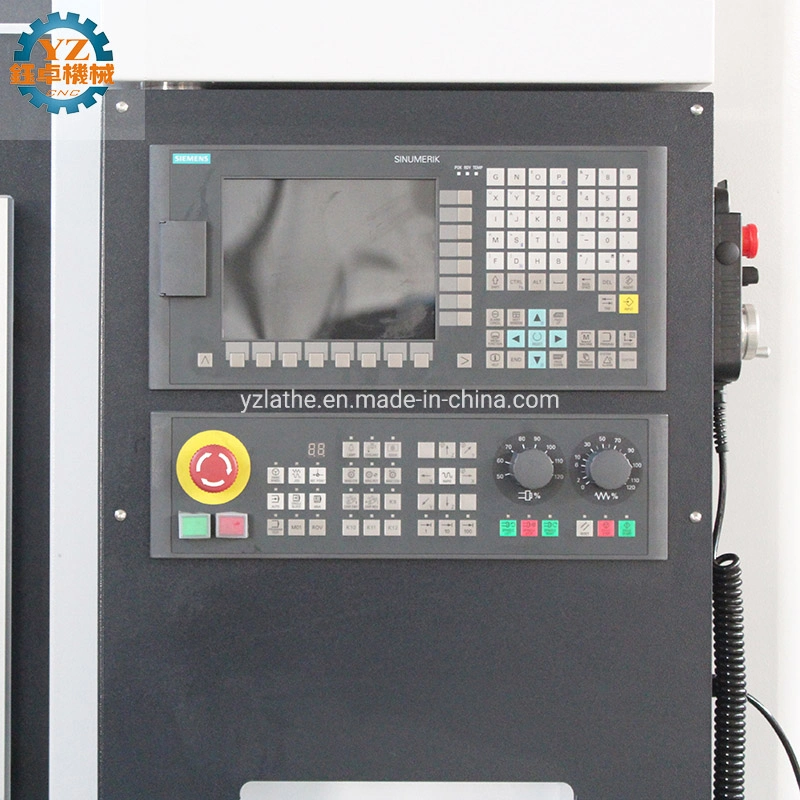
| Control System | Siemens 840D solutionline | Industry-leading CNC for complex 5-axis interpolation and advanced kinematics. |
| Tool Capacity | 40+1 tools | Automatic tool changer for uninterrupted machining of complex parts. |
| Positioning Accuracy | ±0.003 mm | Exceptional precision meeting international standards. |
| Coolant System | High-pressure through-spindle (70 bar) | Efficient chip evacuation and cooling in deep cavity machining. |
2. High-Precision CNC Lathe
Designed for precision turning of shafts, fittings, and rotational symmetric parts.
| Parameter | Specification | Description / Benefit |
|---|---|---|
| Model | PMC-TL-320 | A robust slant-bed lathe for stability and accuracy. |
| Swing Over Bed | 400 mm | Maximum diameter of workpiece that can be accommodated. |
| Distance Between Centers | 750 mm / 1000 mm | Determines the maximum length of the workpiece. |
| Spindle Bore | 65 mm | Allows for bar feeding of larger diameter stock. |
| Spindle Power | 15 kW (20 HP) | Consistent power for tough materials and high metal removal rates. |
| Spindle Speed Range | 50 - 3500 rpm | Wide range suitable for both large diameters and high-speed finishing. |
| Turret | 12-station, servo-driven | Fast, accurate tool indexing for reduced non-cutting time. |
| Control System | Fanuc 0i-TF | Reliable, user-friendly control optimized for turning operations. |
| Repeatability | ±0.001 mm | Guarantees identical parts in production runs. |
| Live Tooling Option | Yes (C-axis & Milling) | Enables milling, drilling, and tapping off-center, reducing secondary operations. |
Frequently Asked Questions (FAQ) About Machine Tools
Q: What is the main difference between a 3-axis, 4-axis, and 5-axis machining center?
A: The axes refer to the directions in which the cutting tool or workpiece can move. A 3-axis machine (X, Y, Z) can move the tool vertically and horizontally, suitable for prismatic parts. A 4-axis machine adds a rotary axis (usually A-axis), allowing the workpiece to rotate for machining on its sides. A 5-axis machine adds a second rotary axis (e.g., B or C-axis), enabling the tool to approach the workpiece from virtually any direction in a single setup. This is crucial for complex geometries, reduces setup time, and can significantly improve accuracy by minimizing repositioning errors.
Q: How do I choose between a Vertical Machining Center (VMC) and a Horizontal Machining Center (HMC)?
A: The choice depends on your typical workpiece and production volume. VMCs have a vertical spindle orientation, are generally more affordable, have a smaller footprint, and are excellent for plate work and 3-sided machining. Chip fallaway is good. HMCs have a horizontal spindle. They are typically better for boxy parts requiring machining on multiple faces, as the workpiece can be indexed on a rotary table. Chip evacuation is superior due to gravity, which is critical for unattended machining. HMCs often have higher throughput for production environments but come at a higher initial cost.
Q: What does "CNC" stand for and why is it so important?
A: CNC stands for Computer Numerical Control. It means the machine tool's movements and functions are directed by a computerized program (G-code). This is critically important because it automates the machining process, ensuring extreme consistency, repeatability, and precision across thousands of parts. It allows for the production of complex shapes that would be impossible or prohibitively expensive to make manually. CNC technology also enables advanced manufacturing techniques like high-speed machining and lights-out manufacturing.
Q: What maintenance is crucial for ensuring the longevity and accuracy of my machine tools?
A: Regular, preventive maintenance is non-negotiable. Key routines include daily checks of lubrication levels and coolant concentration, cleaning way covers and chip pans to prevent buildup. Weekly or bi-weekly, check and tighten belts and way wipers. Monthly, inspect hydraulic and pneumatic systems for leaks. Annually, a full calibration by a qualified technician is recommended to check axis alignment, spindle runout, and ball screw backlash. Following the manufacturer's maintenance schedule from processing-machinery.com is the best way to protect your investment.
Q: Can I retrofit an old manual machine with a CNC control system?
A: Yes, retrofitting is possible and can be a cost-effective way to modernize a reliable manual machine. It involves installing new servo motors, ball screws, a CNC controller, and associated electronics. However, it's not always the best solution. The success depends heavily on the mechanical condition of the base machine (e.g., wear on ways, spindle condition). For high-precision work, a new machine from processing-machinery.com is often a better investment as it includes modern structural design, materials, and integrated software, guaranteeing performance that a retrofit may not achieve.
Q: What safety features should I look for in a modern machine tool?
A: Modern machines incorporate multiple safety layers. Look for a fully interlocked safety guarding system that halts the machine if doors are opened. Emergency stop buttons should be prominently placed on multiple sides. Tool breakage detection and collision avoidance systems are advanced features that prevent costly damage. Thermal compensation systems for the spindle and ballscrews maintain accuracy as the machine heats up. Finally, ensure the control system has password-protected access levels to prevent unauthorized or inexperienced personnel from altering critical programs or parameters.
- View as